
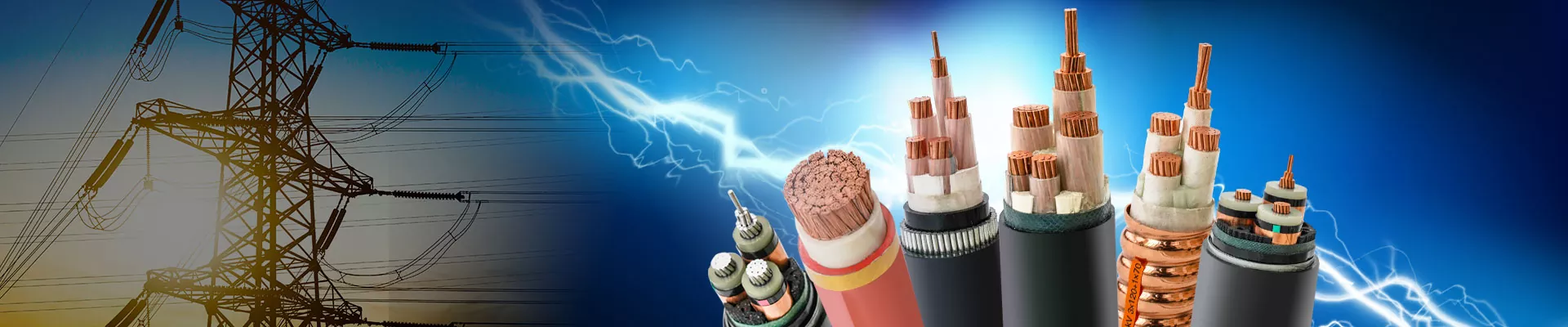
KVV Cable
What is a KVV Cable?
KVV cables are a fundamental type of industrial control cable, widely recognized for their reliability in fixed installations where flexibility is not the primary concern. The designation "KVV" typically stands for a PVC insulated (K), PVC sheathed (V), control cable (V). These cables are engineered to transmit control signals, measurement data, and electrical signals in environments with nominal voltages up to 300/500V. They are the backbone of automation systems, found extensively in power plants, industrial machinery, building automation, and instrumentation panels.
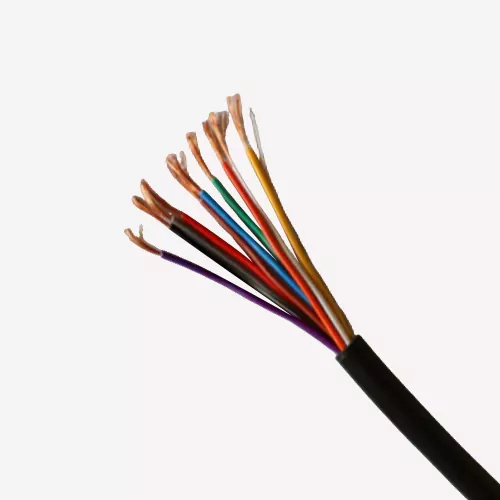
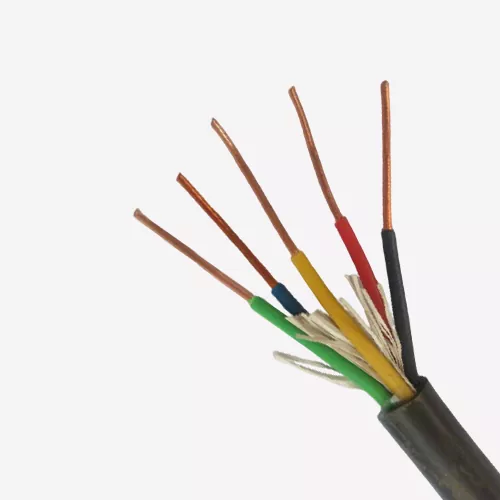
The core construction prioritizes stability and protection. The conductors are typically made from plain annealed copper, ensuring excellent conductivity. Each core is individually insulated with a durable Polyvinyl Chloride (PVC) compound, which provides resistance to a range of environmental factors. The insulated cores are then twisted together and enclosed within an outer PVC sheath, offering robust mechanical protection and additional resistance to oils, acids, and alkalis.
Key Features of KVV Control Cables
- Fixed Installation: Designed for permanent wiring within ducts, cable trays, or conduits. Not intended for frequent flexing.
- Voltage Rating: Suitable for systems with a rated voltage of 300/500V.
- Temperature Range: Operational flexibility from -20°C to +70°C, with a maximum conductor temperature of 70°C during operation.
- Flame Retardant: Standard versions comply with flame-retardant specifications, reducing the spread of fire along the cable run.
- Chemical Resistance: The PVC sheath provides good resistance to moisture, oils, and many industrial chemicals.
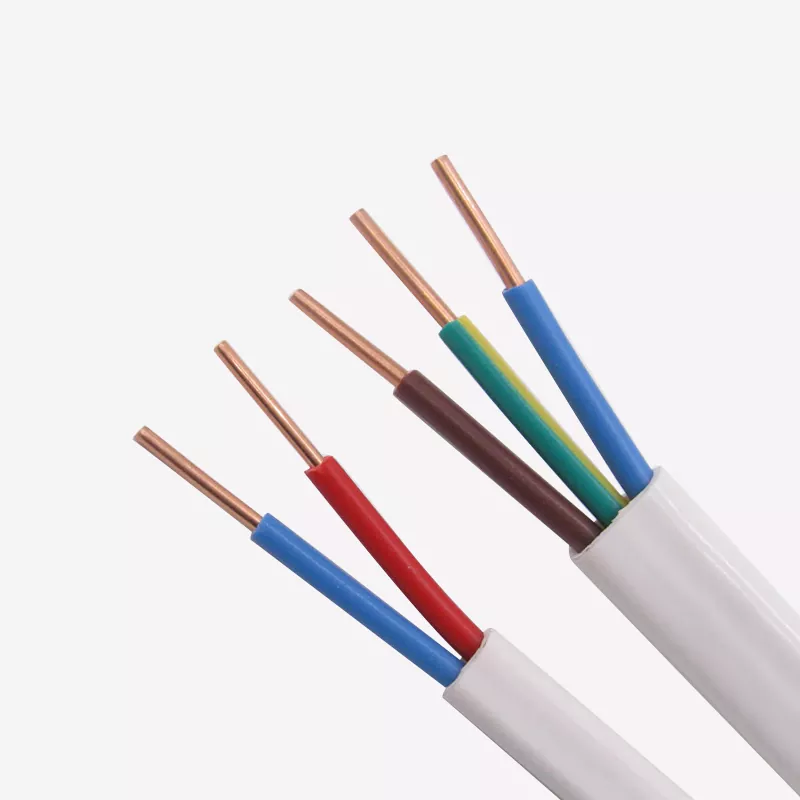
- Color Coding: Insulated cores are color-coded for easy identification during installation and maintenance, following international standards (e.g., brown, black, blue, green/yellow).
Technical Specifications & Parameters
The following table outlines the standard construction and technical parameters for KVV cables. Specifications may vary slightly depending on the manufacturer and specific regional standards (such as BS, VDE, or GB).
| Parameter | Specification / Description |
|---|---|
| Conductor Material | Plain annealed copper, solid or stranded (Class 1 or Class 2 per IEC 60228). |
| Insulation Material | Polyvinyl Chloride (PVC), color-coded. |
| Sheath / Jacket Material | Polyvinyl Chloride (PVC), typically gray or black. |
| Rated Voltage (U0/U) | 300/500 Volts. |
| Test Voltage | 2500V AC for 5 minutes. |
| Operating Temperature Range | -20°C to +70°C. |
| Minimum Bending Radius | Approximately 6 x overall cable diameter for fixed installation. |
| Core Identification | Numbered or color-coded cores per standard (e.g., 2-5 cores: color-coded; 7+ cores: numbered). |
| Standards Compliance | Commonly conforms to BS, VDE, GB/T 9330, or equivalent national standards. |
Available Configurations
KVV cables are available in a variety of configurations to suit different circuit requirements. The number of cores and their cross-sectional area (CSA) are the primary variables.
- Number of Cores: Standard offerings typically range from 2 cores up to 37 cores or more.
- Conductor Cross-Section: Common cross-sectional areas include: 0.5 mm², 0.75 mm², 1.0 mm², 1.5 mm², 2.5 mm², 4.0 mm², and 6.0 mm².
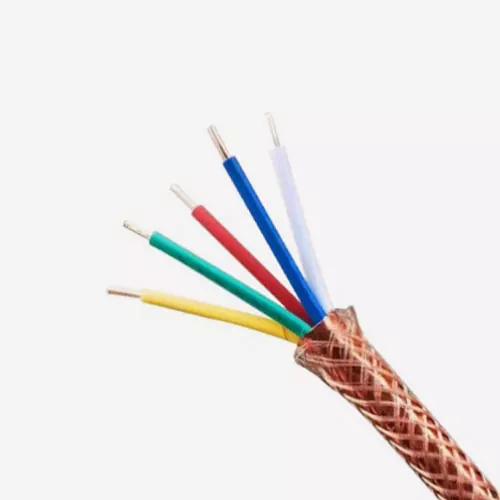
- Shielding: For environments with significant electromagnetic interference (EMI), shielded variants (e.g., KVVP or KVV-P) are available. These feature an overall copper braid or foil screen beneath the sheath.
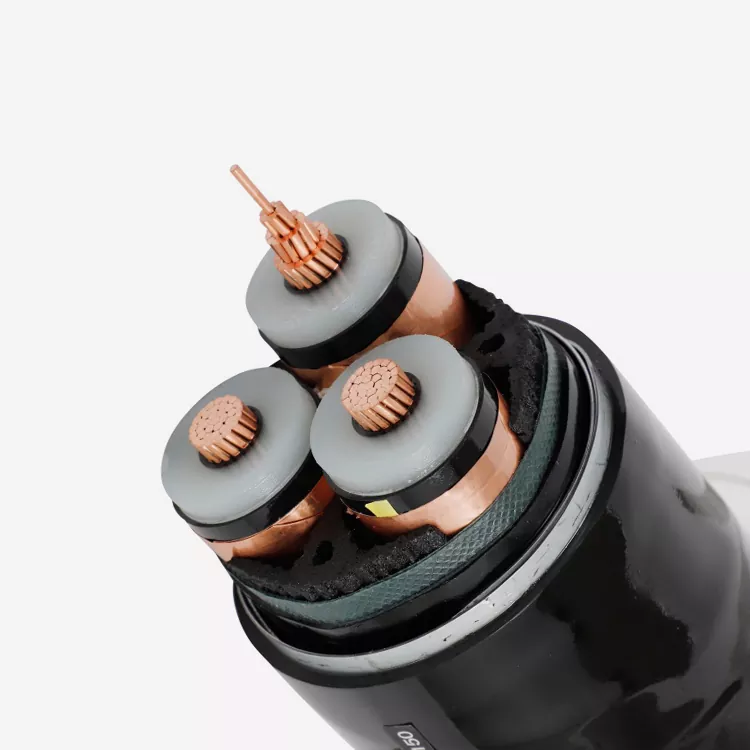
- Armored Versions: For installations requiring extra mechanical protection, steel wire armored (SWA) versions, often designated KVV22, are used.
Common Applications
Due to their robust design and signal integrity, KVV cables are specified for numerous critical applications across industries. They are predominantly used where control, signaling, or low-energy power supply is needed.
- Control circuits for motors, valves, and actuators in manufacturing plants.
- Instrumentation and measurement signal transmission in process industries (chemical, oil & gas).
- Wiring for fire alarm systems, security systems, and building management systems (BMS).
- Power station internal wiring and switchgear control circuits.
- Interconnection within control panels, switchboards, and distribution cabinets.
- Automation systems for conveyor belts, packaging machinery, and assembly lines.
Related Products
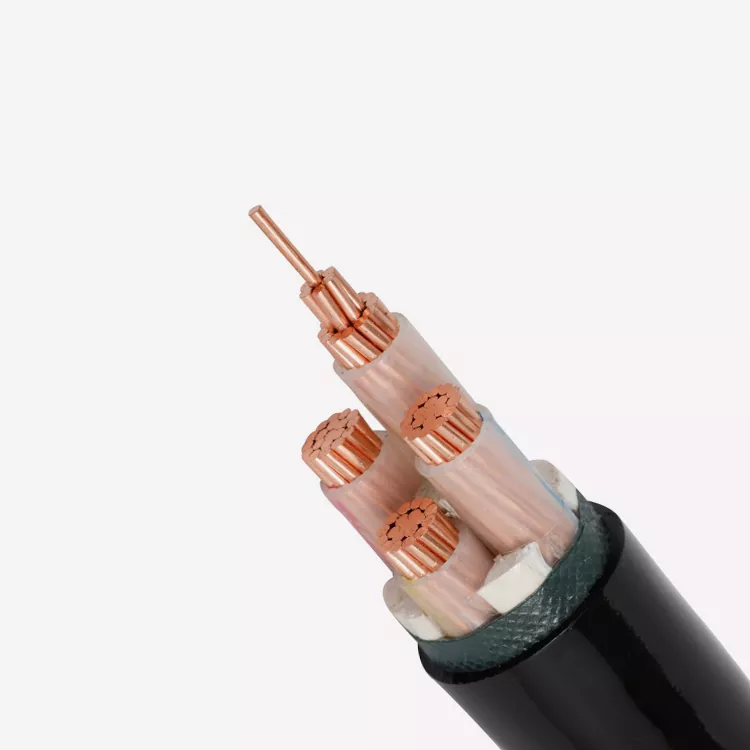
Hot Products
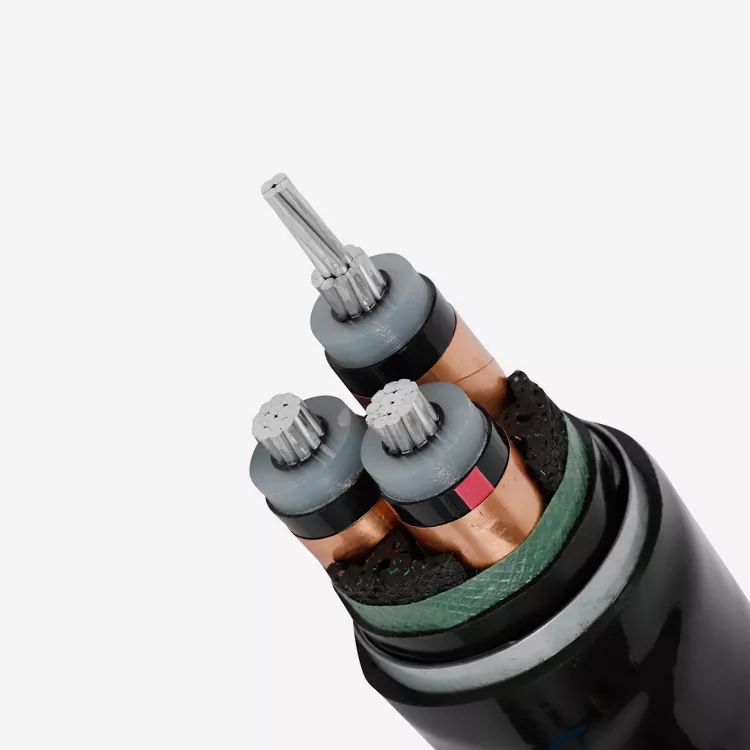
XLPE Insulated STA PVC Sheathed Aluminum Cable
Yila Cable, a manufacturer specializing in cable production in China would like to provide you durable YJLV22 XLPE Insulated STA PVC Sheathed Aluminum Cable, which has a built-in double steel tape armor layer to enable it to be directly buried and resist mechanical shock, pressure and rodent damage that may be encountered in complex and harsh environments.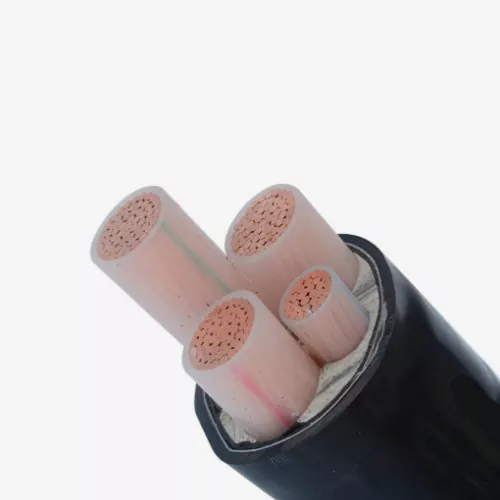
Fire Resistant PVC Insulated Sheathed STA Power Cable
If you are looking for a cost-effective cable for critical lifeline equipment such as fire pumps, emergency lighting, etc. that can continue to supply power for more than 90 minutes in a fire, then Yilan Cable, as a professional cable manufacturer in China, is the perfect choice for Fire Resistant PVC Insulated Sheathed STA Power Cable (NHVV22 Cable). It combines fire resistance, armor protection and cost advantages, especially suitable for fixed installation scenarios such as industrial direct burial, and is a support for building a strong emergency power transmission lifeline.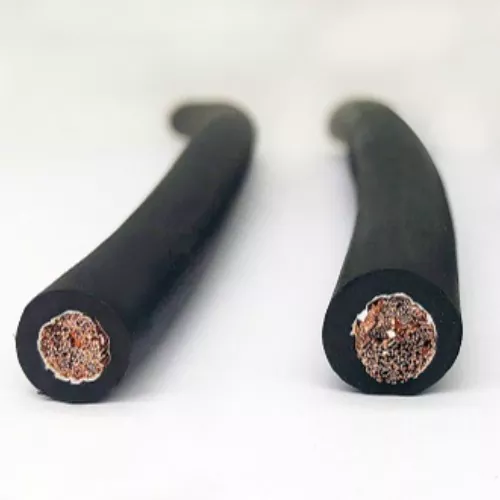
Welding Machine Cable
Yilan Cable factory's high quality Welding Machine Cable uses extra fine stranded oxygen-free copper conductors to ensure extreme softness when carrying hundreds of amperes of current, allowing welders to operate as smoothly as they want. The outer sheath adopts special neoprene outer sheath, which additionally provides good wear resistance, oil stain resistance and high temperature welding slag splashing resistance and prolongs the service life of the cable by several times. Please contact us for a quote.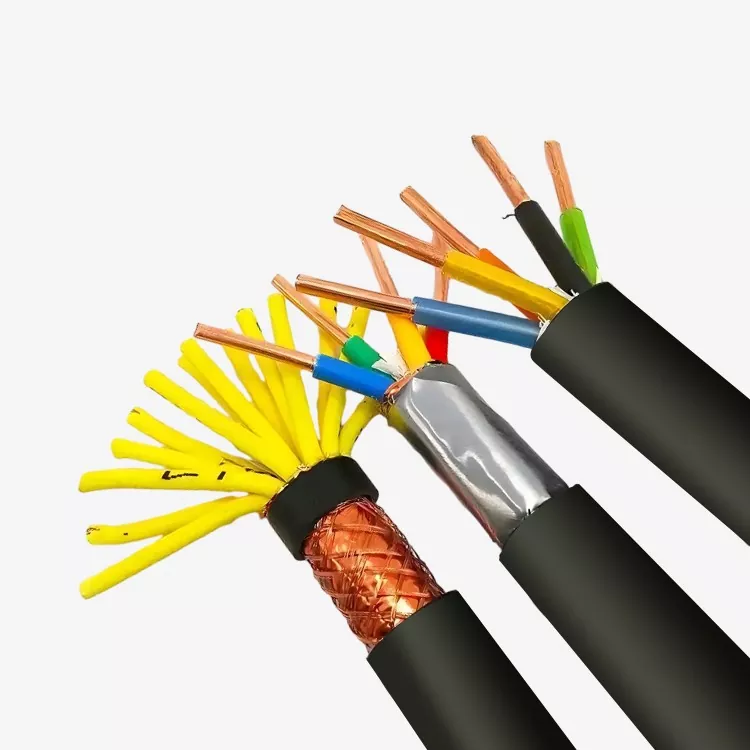
Sheathed Braided Shield PVC Insulated Control Cable Copper Core
Yilan Cable would like to provide you with high quality Sheathed Braided Shield PVC Insulated Control Cable Copper Core, whose unique tinned copper wire braided shield can effectively isolate external interference and ensure stable and accurate transmission of PLC commands, sensor data and instrument signals.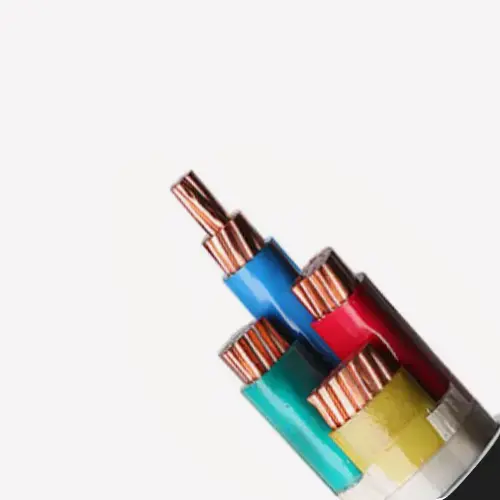
PVC Insulated Sheathed Power Cable
Yilan Cable factory's high quality VV PVC Insulated Sheathed Power Cable adopts copper or aluminum conductor and double PVC protection, rated voltage 0.6/1kV, excellent insulation, corrosion resistance and flame retardance, which is a universal power transmission backbone tested in thousands of projects.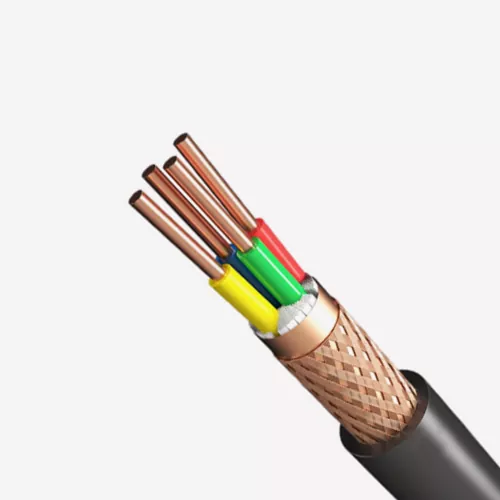
Copper Shielded PVC Insulated Sheathed Control Cable
Choose a true anti-interference product for your PLC, sensors and precision instruments. High quality Copper Shielded PVC Insulated Sheathed Control Cable manufactured by Yilan Cable factory is specially designed for complex electromagnetic environment. It not only provides excellent shielding efficiency, but also ensures durability under long-term harsh working conditions with excellent flexibility and oil resistance and wear resistance sheath.
- Related Blog
- Reviews


