
What Is a Control Cable and How to Choose the Right Industrial Control Cable for Your Automation System
Control cables play a critical role in modern industrial automation, machinery control, power distribution systems, and intelligent infrastructure. Choosing the right control cable affects system stability, signal integrity, safety compliance, and long-term operational efficiency. In this comprehensive guide, we explore what a control cable is, its structure, types, applications, technical specifications, and how to select the best industrial control cable for your project. This article also highlights quality manufacturing insights from Yilan, a professional cable manufacturer dedicated to high-performance and durable cable solutions.
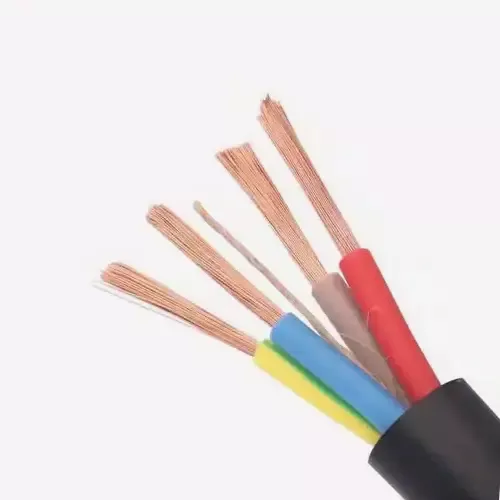
Table of Contents
- 1. What Is a Control Cable?
- 2. Structure and Components of Industrial Control Cables
- 3. Types of Control Cables and Their Applications
- 4. Where Are Control Cables Used?
- 5. How to Choose the Right Control Cable?
- 6. Key Technical Specifications Explained
- 7. PVC vs XLPE vs Armored Control Cables
- 8. Quality Standards and Certifications
- 9. Frequently Asked Questions (FAQ)
1. What Is a Control Cable?
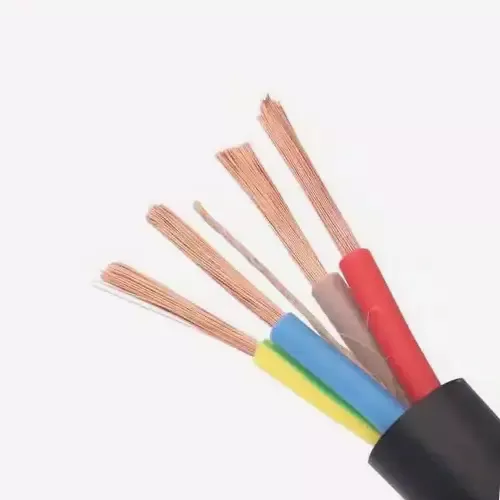
A control cable is a multi-core cable used for transmitting electrical signals to control, regulate, and monitor industrial machinery and automation systems. Unlike power cables that carry high current for energy distribution, control cables are designed to carry low-voltage signals for operational command and signal transmission.
These cables are commonly used in control panels, conveyor systems, power plants, manufacturing lines, elevators, HVAC systems, and robotics. High-quality control cables, such as those produced by Yilan Control Cable, ensure reliable performance even in demanding industrial environments.
2. Structure and Components of Industrial Control Cables
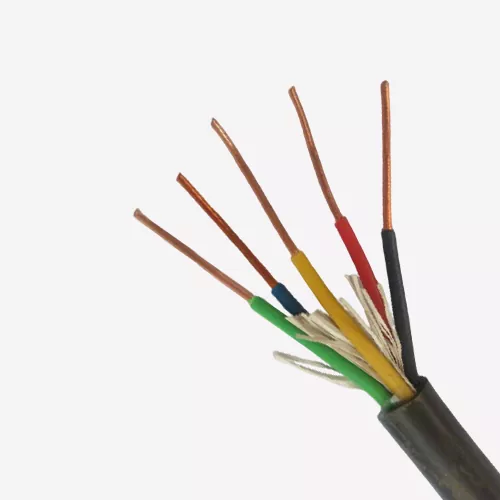
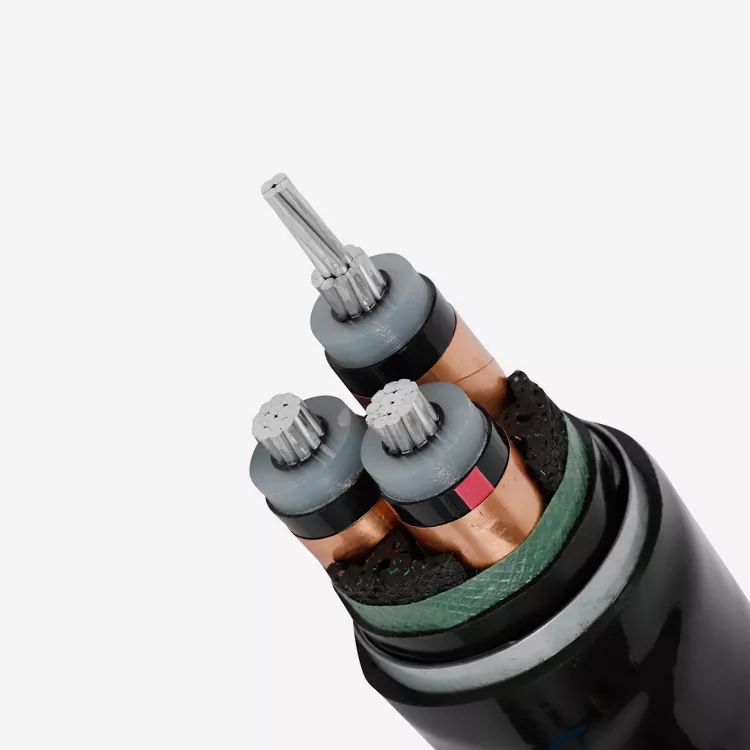
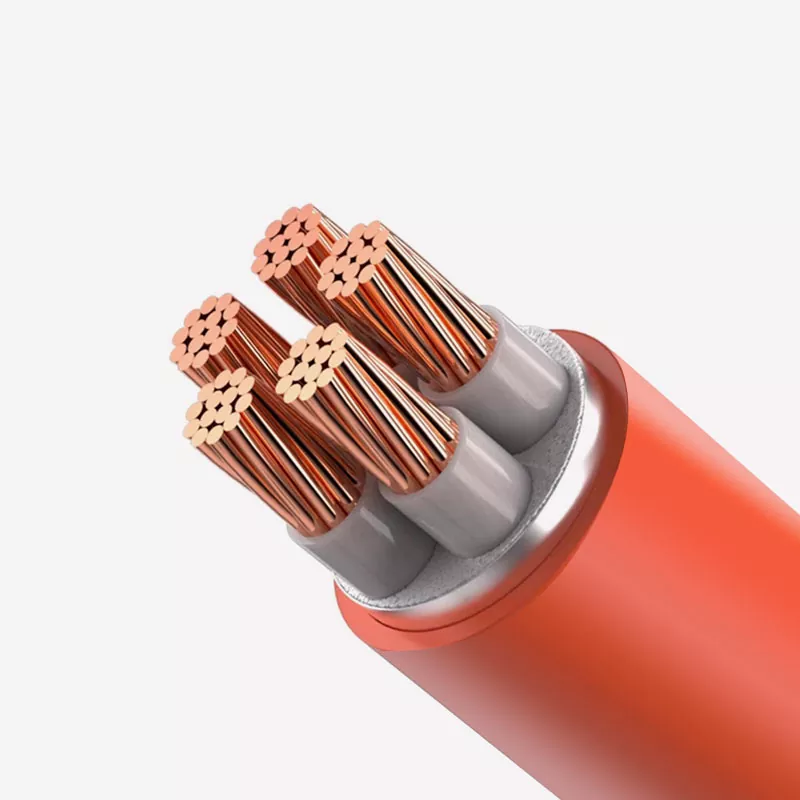
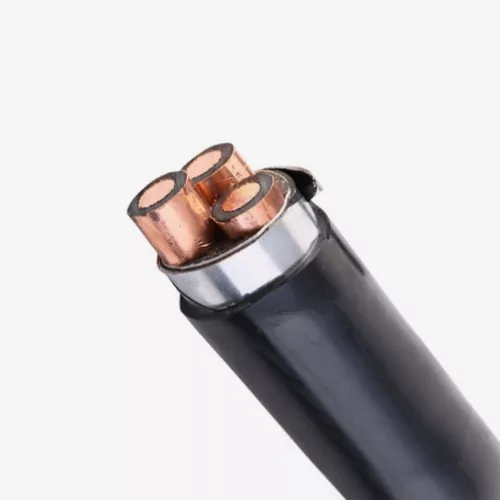
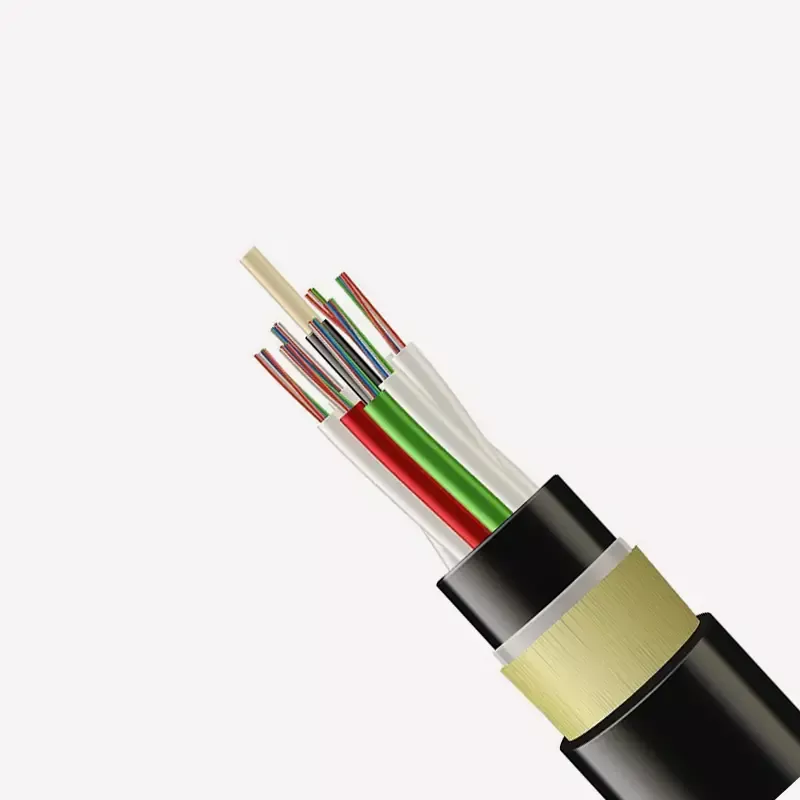
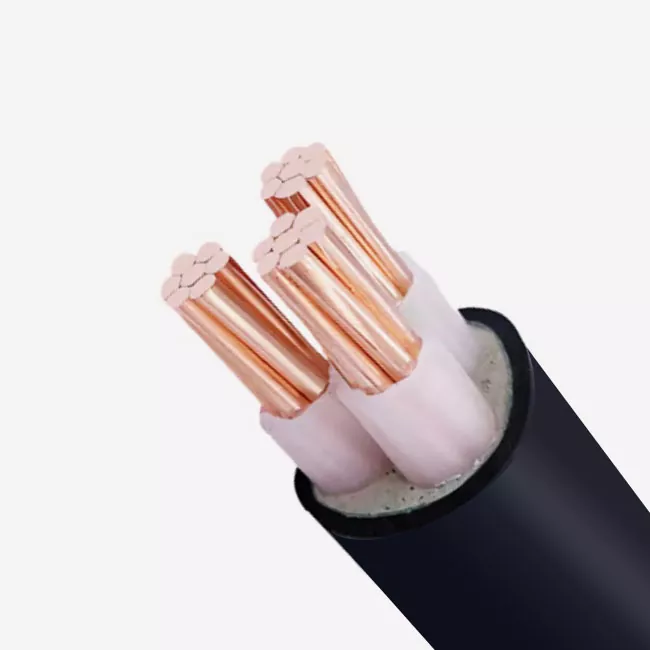
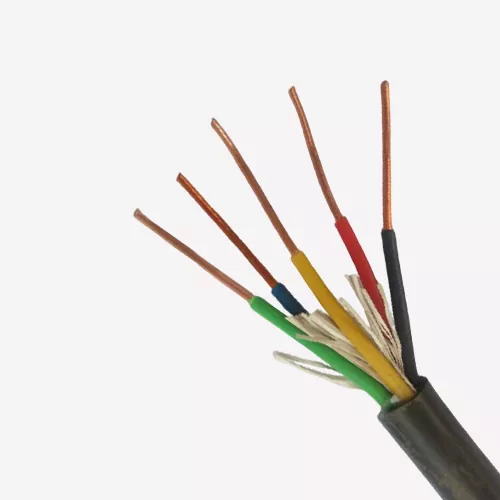
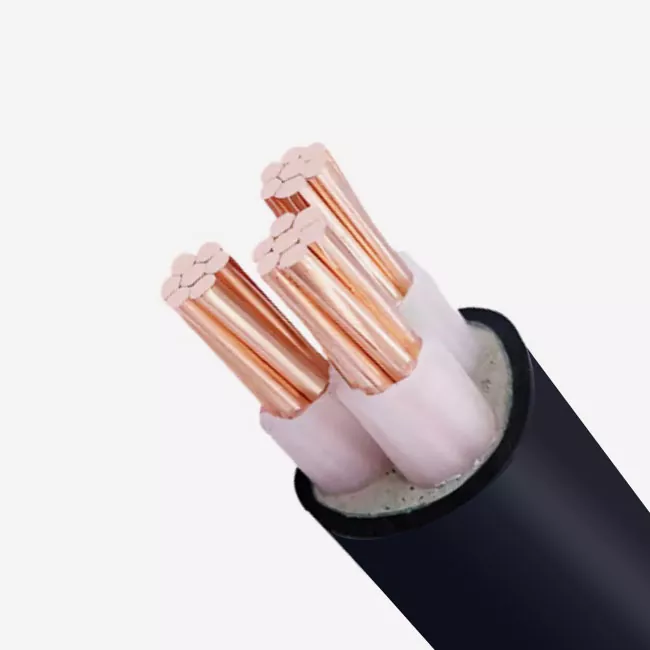
A typical industrial control cable consists of the following components:
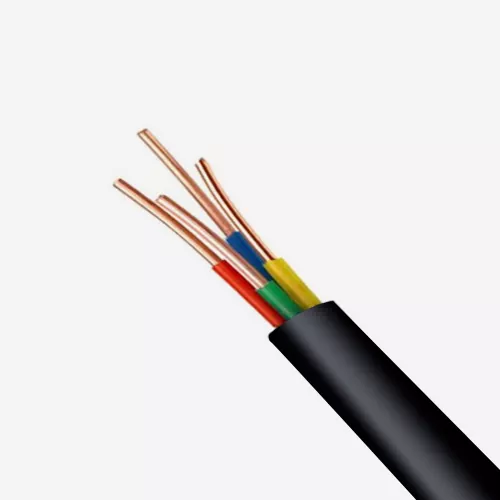
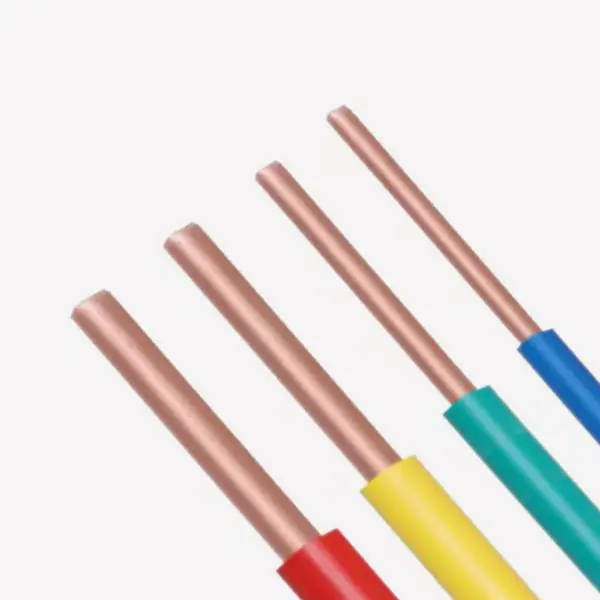
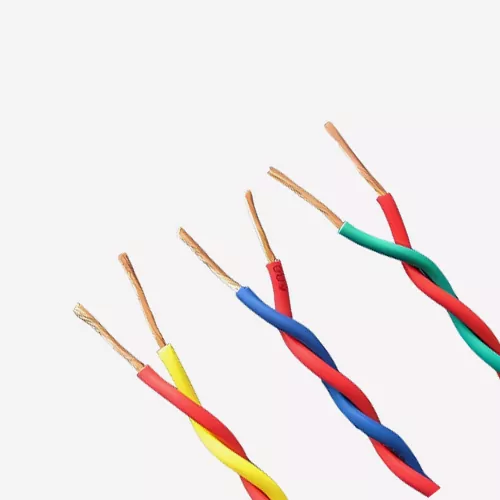
- Conductor: Usually copper (solid or stranded) for optimal conductivity.
- Insulation: PVC or XLPE to protect against electrical leakage.
- Core Identification: Color-coded or numbered cores for easy installation.
- Shielding (Optional): Aluminum foil or braided copper for EMI protection.
- Armoring (Optional): Steel wire or tape for mechanical protection.
- Outer Sheath: PVC or LSZH for environmental and flame resistance.
| Component | Function |
|---|---|
| Conductor | Transmits electrical control signals |
| Insulation | Prevents short circuits and leakage |
| Shielding | Reduces electromagnetic interference (EMI) |
| Armoring | Provides mechanical strength |
| Outer Sheath | Protects against moisture, chemicals, and abrasion |
3. Types of Control Cables and Their Applications
3.1 PVC Insulated Control Cable
Cost-effective and widely used in indoor installations and low-stress environments.
3.2 XLPE Insulated Control Cable
Offers higher temperature resistance and improved electrical performance.
3.3 Armored Control Cable
Designed for underground or harsh mechanical environments.
3.4 Shielded Control Cable
Used in environments with high electromagnetic interference such as factories and power stations.
3.5 Flexible Control Cable
Ideal for moving equipment, robotics, and dynamic installations.
4. Where Are Control Cables Used?
- Industrial automation systems
- Manufacturing production lines
- Power generation and substations
- Oil and gas facilities
- Elevators and escalators
- HVAC control systems
- Robotics and CNC machines
In modern smart factories, control cables form the backbone of communication between sensors, PLCs, and actuators.
5. How to Choose the Right Control Cable?
Consider the following factors:
- Voltage Rating: Match system voltage requirements.
- Environmental Conditions: Temperature, humidity, chemicals.
- Mechanical Stress: Need for armoring or flexible design.
- EMI Environment: Shielded vs non-shielded cable.
- Installation Method: Underground, tray, conduit, or open air.
Partnering with an experienced manufacturer like Yilan ensures proper technical guidance and customized cable solutions.
6. Key Technical Specifications Explained
| Specification | Typical Value |
|---|---|
| Rated Voltage | 300/500V or 450/750V |
| Operating Temperature | -15°C to 70°C (PVC) |
| Conductor Material | Annealed Copper |
| Insulation Type | PVC / XLPE |
7. PVC vs XLPE vs Armored Control Cables
| Feature | PVC | XLPE | Armored |
|---|---|---|---|
| Cost | Low | Medium | Higher |
| Temperature Resistance | Moderate | High | Depends on insulation |
| Mechanical Protection | Basic | Basic | Excellent |
8. Quality Standards and Certifications
Reliable control cables comply with international standards such as IEC, BS, UL, and ISO certifications. Quality manufacturers like Yilan focus on:
- Strict raw material inspection
- Advanced production lines
- Comprehensive testing procedures
- Flame-retardant and LSZH options
9. Frequently Asked Questions (FAQ)
Q1: What is the difference between a control cable and a power cable?
Power cables transmit high electrical energy, while control cables transmit low-voltage control signals.
Q2: When should I use shielded control cables?
In environments with strong electromagnetic interference.
Q3: Are armored control cables suitable for underground installation?
Yes, they provide mechanical protection against impact and pressure.
Q4: What insulation material is better, PVC or XLPE?
XLPE offers better thermal performance, while PVC is more economical.
Conclusion
Selecting the right control cable is essential for ensuring safe, efficient, and long-lasting industrial operations. From conductor material to shielding and insulation type, every detail affects system performance. Working with an experienced manufacturer like Yilan ensures you receive high-quality, standards-compliant control cable solutions tailored to your industry.
If you are looking for reliable industrial control cable suppliers with customizable solutions and competitive pricing, contact us today to get expert support and a professional quotation.
Related News
- Why Are Power Cables Essential for Modern Electrical Systems
- Why Should You Choose Copper Core PVC Insulated Sheathed Flexible Control Cable for Your Electrical Projects
- What Is Twisted Flexible Cord and Why Is It Essential in Modern Wiring Solutions
- Why Should You Choose XLPE Insulated STA PVC Sheathed Power Cables for Your Electrical Projects
- What Is a Control Cable and How Does It Work in Various Industries
- Why is Flame Retardant STA PVC Insulated Sheathed Power Cable a Must-Have for Modern Electrical Applications
Leave me a message