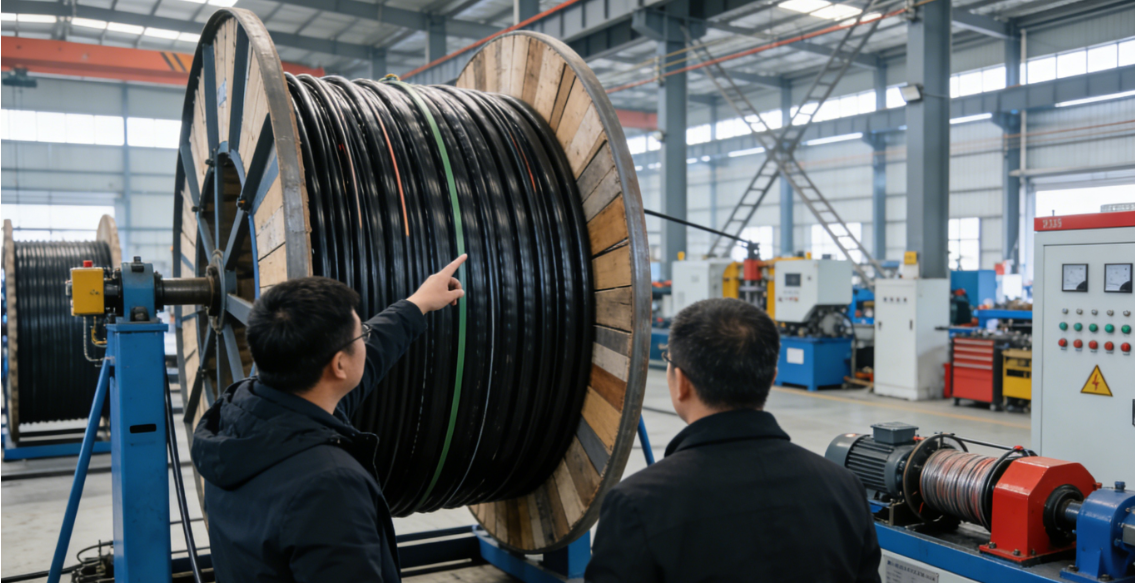

What Is a Control Cable and How Does It Work in Industrial Applications
Control cable plays a critical role in industrial automation, machinery control, and signal transmission across a wide range of applications. Yet, many buyers, engineers, and project managers struggle to clearly understand what a control cable is, how it functions, and how to select the right type for their specific environment.
In this in-depth guide, I will explain the fundamentals of control cable, its working principles, structural design, major types, and real-world industrial applications. Drawing on practical manufacturing and application experience, this article also explores key selection criteria, common mistakes, and future trends. Whether you are sourcing for automation systems, factory equipment, or infrastructure projects, this guide will help you make informed decisions with confidence.
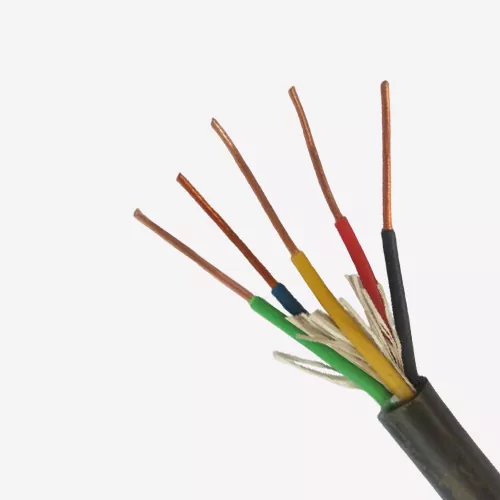
Table of Contents
- What Is a Control Cable?
- How Does a Control Cable Work?
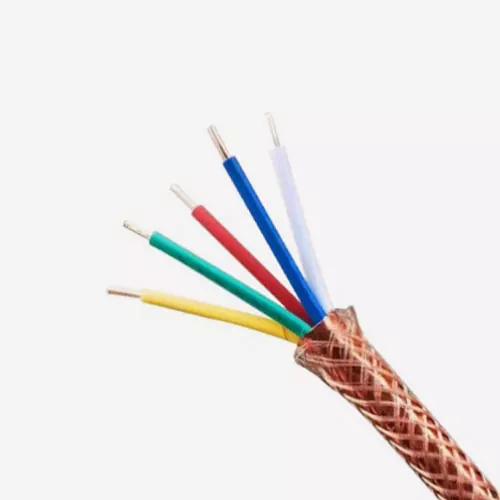
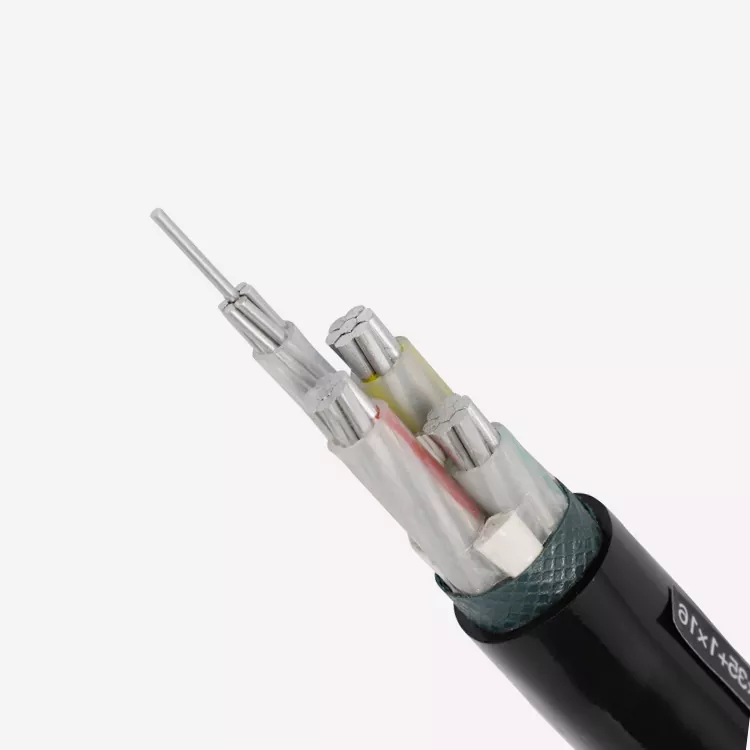
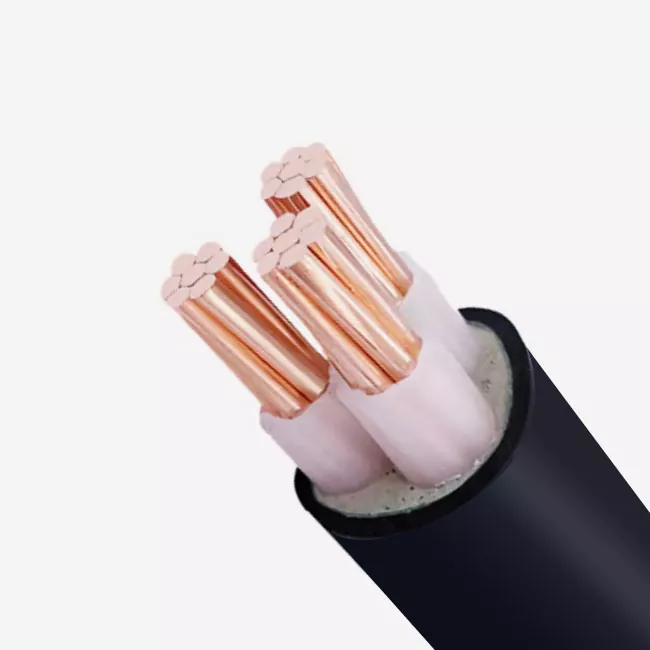
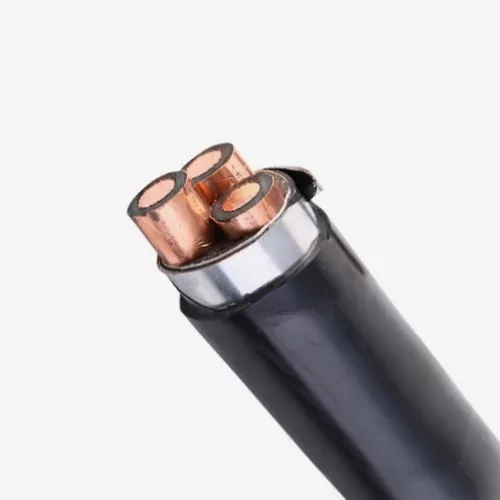
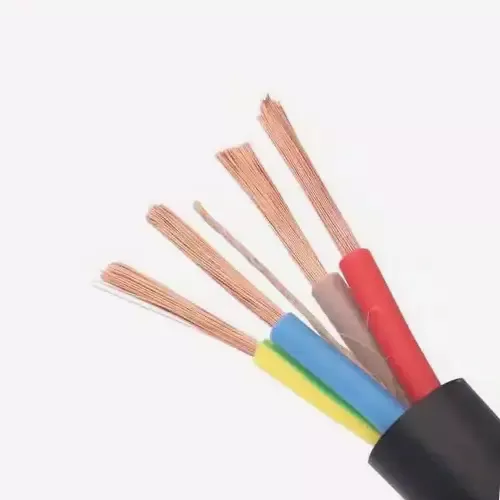
- Control Cable Structure Explained
- Main Types of Control Cable
- Industrial Applications of Control Cable
- How to Choose the Right Control Cable
- Control Cable vs Other Industrial Cables
- Common Control Cable Selection Mistakes
- Future Trends in Control Cable Technology
- Frequently Asked Questions
1. What Is a Control Cable?
A control cable is a multi-core electrical cable designed to transmit control signals, measurement data, and low-voltage power between devices in industrial systems. Unlike power cables that primarily deliver high electrical loads, control cables focus on accuracy, stability, and reliable signal transmission.
In practical terms, control cable acts as the communication backbone between sensors, actuators, control panels, motors, and automated machinery. Without reliable control cable infrastructure, modern industrial automation simply cannot function.
At Yilan, we often see customers underestimate the importance of control cable quality. In reality, cable performance directly affects system uptime, safety, and maintenance costs over the long term.
2. How Does a Control Cable Work?
The working principle of a control cable is based on stable electrical signal transmission between two or more connected components. Each conductor inside the cable carries a specific signal or control command.
- Signals are generated by control units or sensors
- Conductors transmit signals with minimal interference
- Insulation and shielding protect signal integrity
- Connected devices respond based on received commands
In industrial environments filled with electromagnetic interference, temperature fluctuations, and mechanical stress, a properly designed control cable ensures consistent system response and precise control.
3. Control Cable Structure Explained
Understanding the internal structure of a control cable helps explain why material quality and manufacturing standards matter so much.
| Component | Function | Importance |
|---|---|---|
| Conductor | Transmits electrical signals | Determines conductivity and flexibility |
| Insulation | Separates conductors | Prevents short circuits |
| Shielding | Reduces EMI interference | Ensures signal accuracy |
| Sheath | External protection | Resists abrasion and chemicals |
Each layer contributes to the overall reliability of the control cable, especially in demanding industrial conditions.
4. Main Types of Control Cable
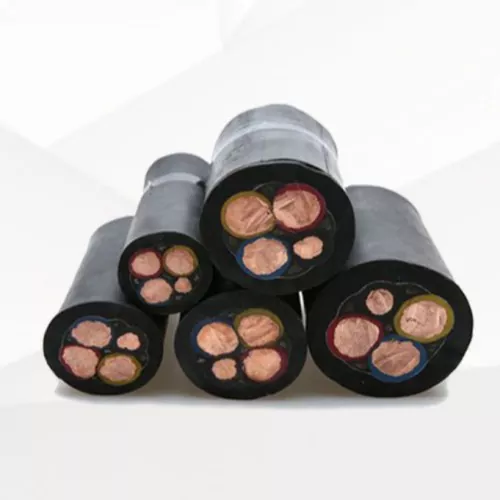
Control cable is available in multiple configurations depending on application needs:
- Unshielded control cable
- Shielded control cable
- Flexible control cable
- Oil-resistant control cable
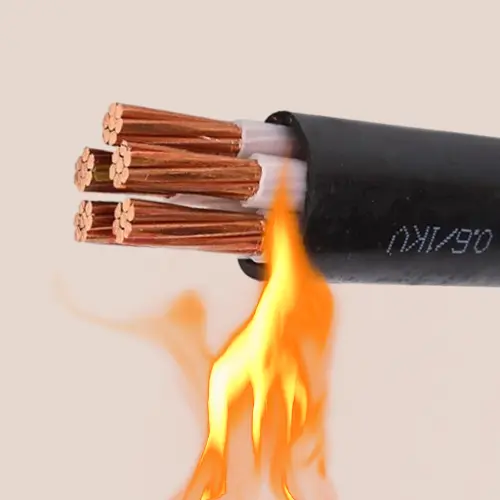
- Fire-resistant control cable
Each type addresses specific challenges such as electromagnetic interference, mechanical movement, or harsh environmental exposure.
5. Industrial Applications of Control Cable
Control cable is widely used across industries including:
- Factory automation and robotics
- Power plants and substations
- Oil and gas facilities
- Transportation systems
- Building management systems
In every case, reliable control cable performance ensures smooth system coordination and minimizes operational risks.
6. How to Choose the Right Control Cable
Selecting the right control cable involves evaluating electrical, mechanical, and environmental factors.
- Operating voltage and current
- Installation environment
- Flexibility requirements
- EMI exposure
- Compliance standards
I always recommend working with experienced manufacturers like Yilan to avoid costly mismatches and long-term reliability issues.
7. Control Cable vs Other Industrial Cables
Control cable differs significantly from power cable and instrumentation cable in both purpose and design.
While power cables focus on energy transmission, control cable prioritizes signal precision and operational reliability.
8. Common Control Cable Selection Mistakes
- Ignoring environmental exposure
- Choosing incorrect shielding
- Overlooking flexibility needs
- Focusing only on price
These mistakes often lead to system downtime, increased maintenance, and premature cable failure.
9. Future Trends in Control Cable Technology
As industrial automation advances, control cable technology continues to evolve.
Key trends include enhanced shielding materials, improved flexibility, and environmentally friendly insulation compounds.
Frequently Asked Questions
Is control cable suitable for outdoor use?
Yes, when designed with appropriate sheathing and protection.
Does shielding always improve performance?
Shielding is essential in high-interference environments but may not be necessary in all cases.
How long does a control cable last?
With proper selection and installation, control cable can last decades.
Final Thoughts
Control cable is far more than a simple wiring component—it is the foundation of reliable industrial control systems. Choosing the right control cable directly impacts safety, efficiency, and long-term operational success.
If you are evaluating control cable solutions for your next project or need professional guidance tailored to your application, contact us today. The team at Yilan is ready to help you design, source, and implement control cable systems that deliver lasting value.
Related News
- Why Are Power Cables Essential for Modern Electrical Systems
- Why Should You Choose Copper Core PVC Insulated Sheathed Flexible Control Cable for Your Electrical Projects
- What Is Twisted Flexible Cord and Why Is It Essential in Modern Wiring Solutions
- Why Should You Choose XLPE Insulated STA PVC Sheathed Power Cables for Your Electrical Projects
- What Is a Control Cable and How Does It Work in Various Industries
- Why is Flame Retardant STA PVC Insulated Sheathed Power Cable a Must-Have for Modern Electrical Applications
Leave me a message