
What Makes Rubber Covered Cable the Preferred Choice for Harsh and Demanding Environments
Rubber covered cable plays a critical role in modern power transmission and industrial operations, especially in environments where mechanical stress, extreme temperatures, oil exposure, and moisture are constant challenges. This article provides a comprehensive, professional, and in-depth analysis of rubber covered cable, covering its structure, materials, performance advantages, applications, standards, and selection guidelines. By comparing rubber covered cable with other common cable types and offering real-world application insights, this guide aims to help engineers, procurement managers, and project planners make informed decisions.
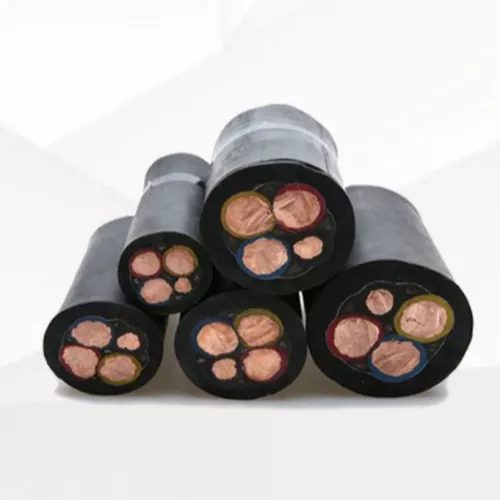
Table of Contents
- 1. What Is Rubber Covered Cable?
- 2. Key Materials Used in Rubber Covered Cable
- 3. Structural Design and Working Principles
- 4. Performance Advantages in Harsh Environments
- 5. Common Types of Rubber Covered Cable
- 6. Rubber Covered Cable vs Other Insulated Cables
- 7. Major Industrial and Commercial Applications
- 8. Standards, Certifications, and Compliance
- 9. How to Select the Right Rubber Covered Cable
- 10. Installation, Maintenance, and Safety Tips
- 11. Future Trends in Rubber Covered Cable Technology
- 12. Frequently Asked Questions (FAQ)
1. What Is Rubber Covered Cable?
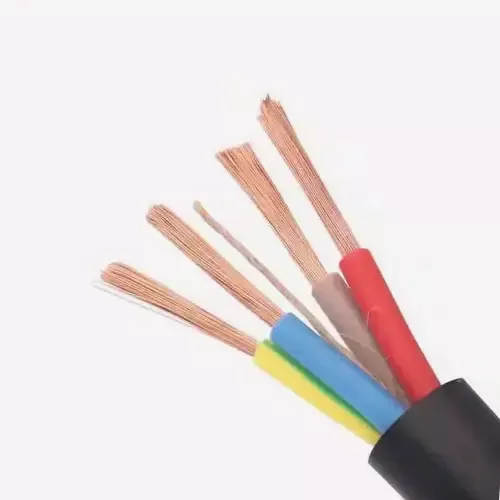
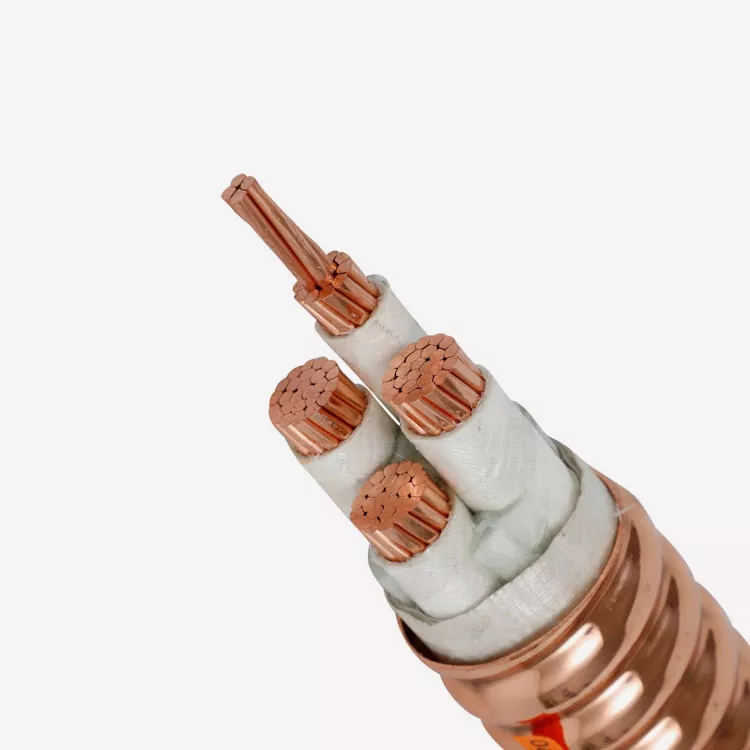
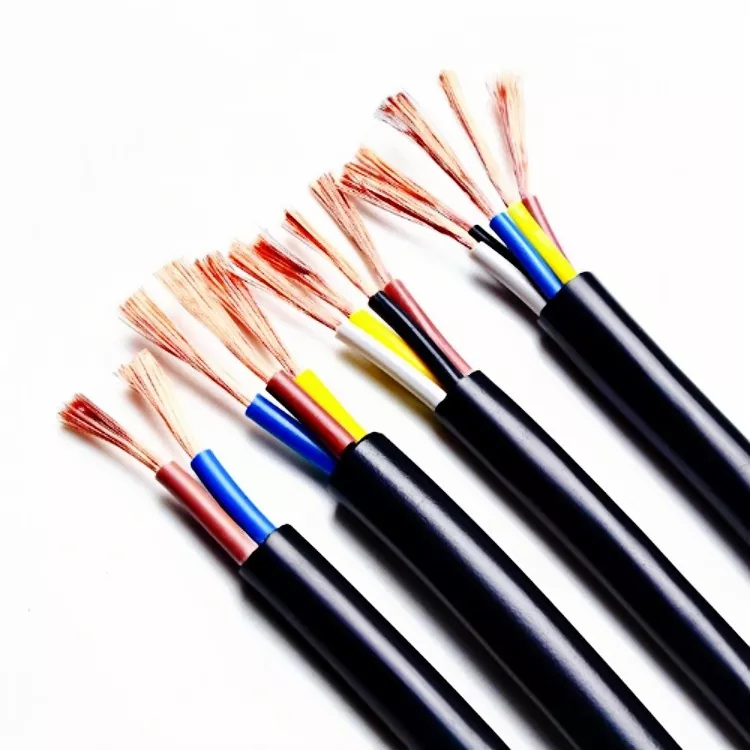
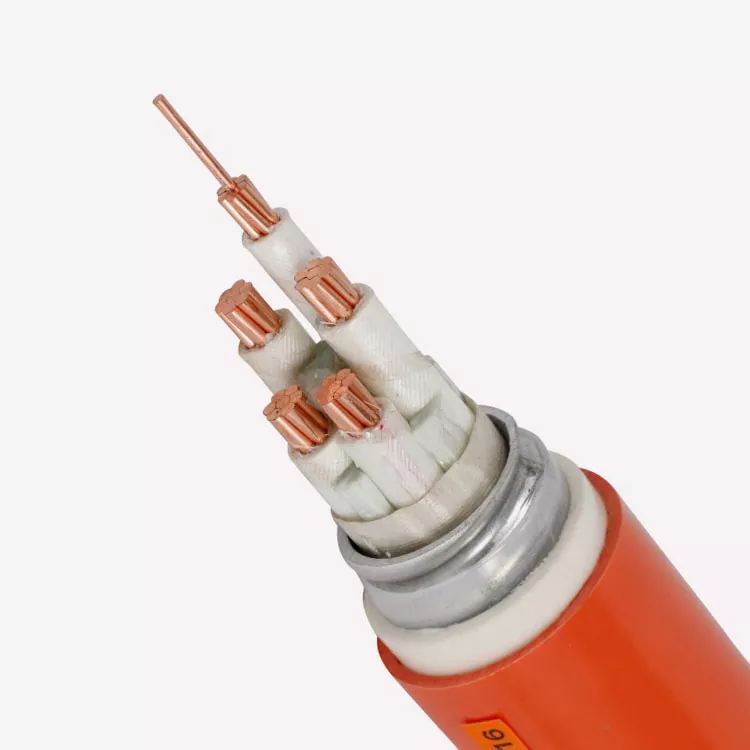
Rubber covered cable, also commonly referred to as rubber sheathed cable, is a type of electrical cable insulated and protected by rubber-based materials. Unlike standard PVC-insulated cables, rubber covered cable is specifically engineered to withstand mechanical impact, bending, abrasion, and exposure to harsh environmental conditions.
The defining feature of rubber covered cable is its outer sheath made from natural rubber or synthetic rubber compounds such as EPR (Ethylene Propylene Rubber) or neoprene. This rubber layer provides exceptional elasticity, resilience, and resistance to external damage, making the cable suitable for dynamic and mobile applications.
For a detailed technical overview of rubber covered cable structures and specifications, you can refer to this authoritative resource: rubber covered cable technical reference.
2. Key Materials Used in Rubber Covered Cable
The performance of a rubber covered cable depends largely on the materials used in its construction. Each layer is carefully selected to meet specific electrical, mechanical, and environmental requirements.
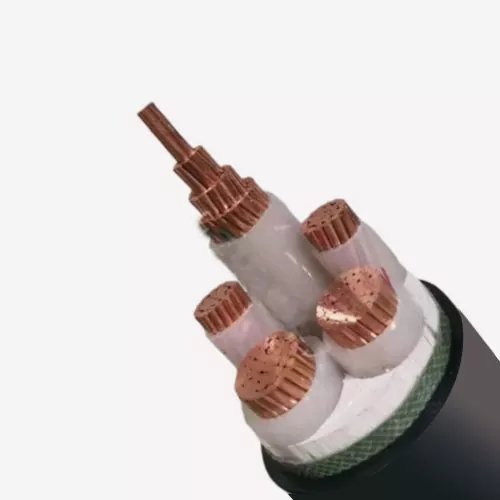
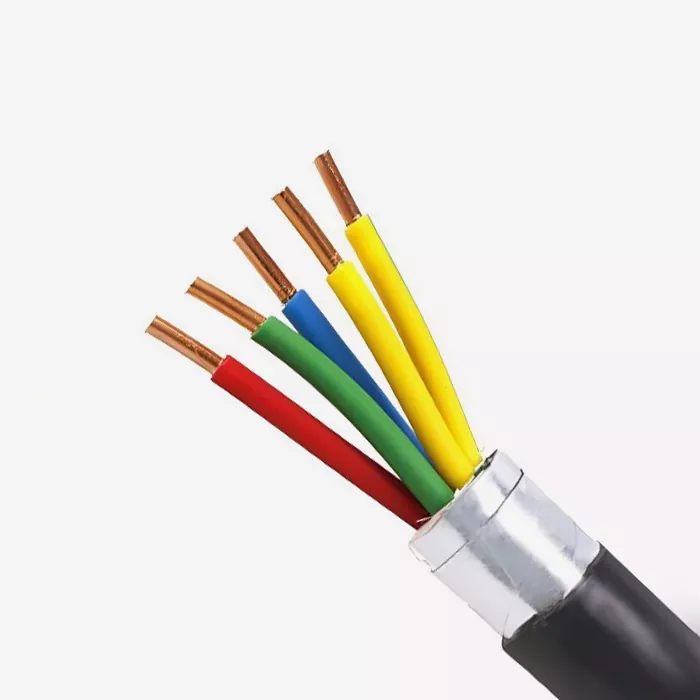
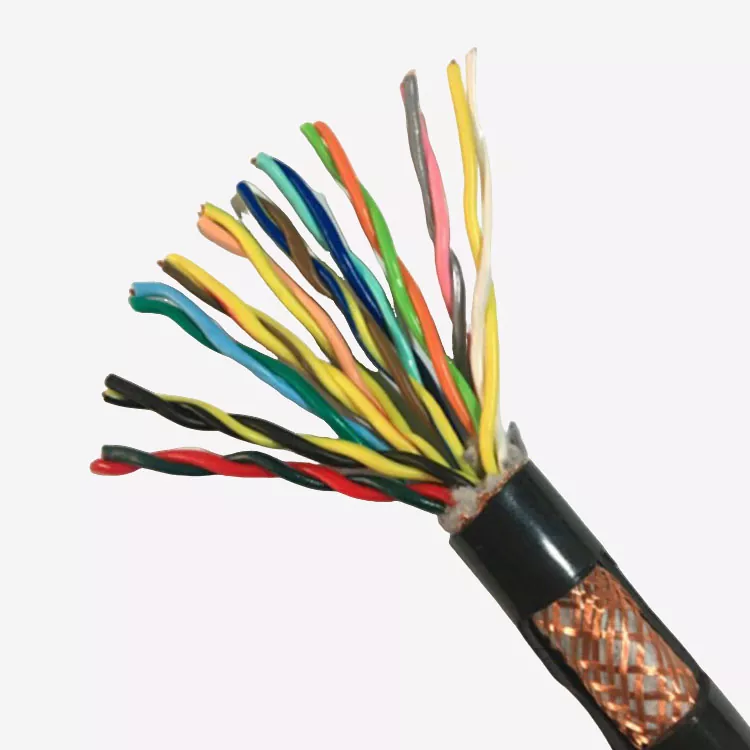
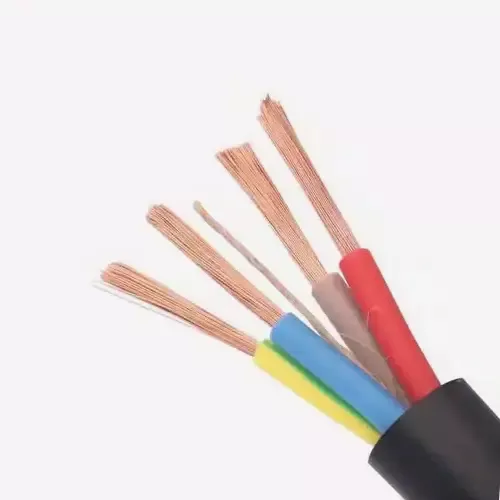
- Conductor: Typically stranded copper for high conductivity and flexibility.
- Insulation Layer: Often EPR rubber, offering excellent dielectric strength and heat resistance.
- Inner Sheath (optional): Provides additional mechanical stability.
- Outer Rubber Cover: Made from neoprene or other synthetic rubber for abrasion, oil, and weather resistance.
These materials allow rubber covered cable to maintain performance even when subjected to repeated movement, vibration, or harsh chemical exposure.
3. Structural Design and Working Principles
Rubber covered cable is designed with flexibility and durability as its core principles. The stranded conductor structure reduces metal fatigue, while the elastic rubber insulation absorbs external stress rather than transferring it directly to the conductor.
This design minimizes the risk of conductor breakage, insulation cracking, and short circuits. As a result, rubber covered cable is ideal for portable equipment, retractable power systems, and applications requiring frequent bending.
4. Performance Advantages in Harsh Environments
What truly sets rubber covered cable apart is its superior performance under extreme conditions.
| Performance Aspect | Rubber Covered Cable Advantage |
|---|---|
| Flexibility | Maintains elasticity even at low temperatures |
| Abrasion Resistance | Ideal for rough surfaces and dragging applications |
| Oil & Chemical Resistance | Suitable for industrial and marine environments |
| Weather Resistance | Performs reliably in UV, moisture, and temperature extremes |
| Mechanical Strength | Reduces downtime caused by cable damage |
These advantages explain why rubber covered cable is often the preferred choice for environments where failure is not an option.
5. Common Types of Rubber Covered Cable
Rubber covered cable is available in various configurations to meet different application requirements:
- General-purpose rubber covered power cables
- Heavy-duty rubber covered mining cables
- Flexible rubber covered welding cables
- Submersible rubber covered cables
- Low-voltage and medium-voltage rubber covered cables
Each type is engineered with specific insulation thickness, sheath composition, and voltage ratings.
6. Rubber Covered Cable vs Other Insulated Cables
When compared with PVC or XLPE cables, rubber covered cable demonstrates clear advantages in flexibility and impact resistance.
| Cable Type | Flexibility | Durability | Typical Applications |
|---|---|---|---|
| Rubber Covered Cable | Excellent | Very High | Mining, construction, mobile equipment |
| PVC Cable | Moderate | Moderate | Fixed indoor installations |
| XLPE Cable | Low | High | Power distribution, buried systems |
7. Major Industrial and Commercial Applications
Rubber covered cable is widely used across industries that demand reliability and safety:
- Mining and tunneling operations
- Construction sites and temporary power systems
- Port machinery and cranes
- Industrial automation and robotics
- Shipbuilding and offshore platforms
Companies like Yilan focus on supplying rubber covered cable solutions tailored to these demanding applications, ensuring both compliance and long-term performance.
8. Standards, Certifications, and Compliance
High-quality rubber covered cable is manufactured according to international standards such as:
- IEC 60245
- VDE standards
- GB/T standards
- CE and RoHS compliance
Compliance with these standards ensures electrical safety, environmental protection, and global usability.
9. How to Select the Right Rubber Covered Cable
Selecting the correct rubber covered cable involves evaluating several factors:
- Voltage and current requirements
- Environmental exposure conditions
- Mechanical stress and movement frequency
- Installation method and routing
- Relevant industry standards
Proper selection not only improves system performance but also significantly reduces maintenance costs.
10. Installation, Maintenance, and Safety Tips
To maximize the lifespan of rubber covered cable:
- Avoid excessive pulling force during installation
- Use appropriate cable supports and clamps
- Inspect regularly for sheath damage
- Follow manufacturer-recommended bending radius
11. Future Trends in Rubber Covered Cable Technology
With advancements in material science, modern rubber covered cable is becoming lighter, more environmentally friendly, and more resistant to extreme conditions. Innovations include halogen-free rubber compounds and enhanced flame-retardant properties.
These developments ensure that rubber covered cable will continue to play a vital role in next-generation industrial infrastructure.
12. Frequently Asked Questions (FAQ)
Q1: Is rubber covered cable suitable for outdoor use?
Yes, rubber covered cable offers excellent resistance to UV radiation, moisture, and temperature fluctuations.
Q2: Can rubber covered cable be used for mobile equipment?
Absolutely. Its flexibility and abrasion resistance make it ideal for continuously moving machinery.
Q3: How long does rubber covered cable typically last?
With proper installation and maintenance, rubber covered cable can last significantly longer than standard insulated cables.
Q4: Is rubber covered cable more expensive?
While the initial cost may be higher, its durability and reduced downtime often result in lower total lifecycle costs.
Conclusion
Rubber covered cable stands out as a reliable, flexible, and durable solution for power transmission in harsh and demanding environments. From mining and construction to industrial automation, its advantages in safety and performance make it an indispensable component in modern electrical systems.
If you are looking for high-quality rubber covered cable solutions tailored to your specific application needs, Yilan is ready to support your project. To learn more about specifications, customization options, or technical guidance, please contact us today and let our experts help you power your operations with confidence.
Related News
- Why Are Power Cables Essential for Modern Electrical Systems
- Why Should You Choose Copper Core PVC Insulated Sheathed Flexible Control Cable for Your Electrical Projects
- What Is Twisted Flexible Cord and Why Is It Essential in Modern Wiring Solutions
- Why Should You Choose XLPE Insulated STA PVC Sheathed Power Cables for Your Electrical Projects
- What Is a Control Cable and How Does It Work in Various Industries
- Why is Flame Retardant STA PVC Insulated Sheathed Power Cable a Must-Have for Modern Electrical Applications
Leave me a message