
What Is Flame Retardant Wire and How Does It Improve Electrical Safety
Flame Retardant Wire plays a critical role in reducing fire risks in modern electrical systems. Unlike ordinary wires, it is engineered to resist flame propagation, limit heat release, and minimize toxic smoke generation when exposed to fire. In this in-depth guide, we explore what Flame Retardant Wire is, how it works, the standards that define its performance, and why it has become essential across industries such as construction, transportation, energy, and manufacturing. This article also helps buyers understand how to select the right flame retardant solution for their specific applications.
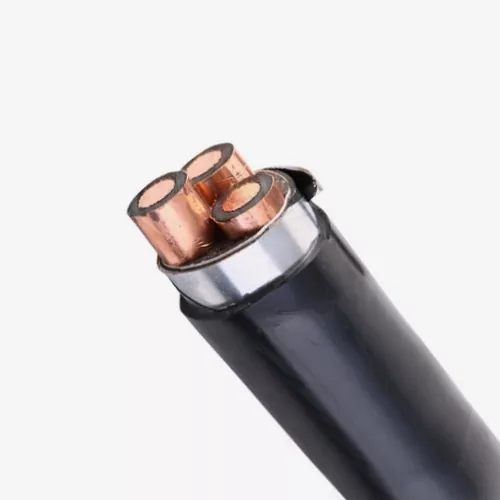
Table of Contents
- What Is Flame Retardant Wire?
- How Does Flame Retardant Wire Work?
- Common Materials Used in Flame Retardant Wire
- Key Standards and Certifications
- Flame Retardant Wire vs Ordinary Wire
- Applications Across Industries
- Benefits of Using Flame Retardant Wire
- How to Choose the Right Flame Retardant Wire
- Frequently Asked Questions
What Is Flame Retardant Wire?
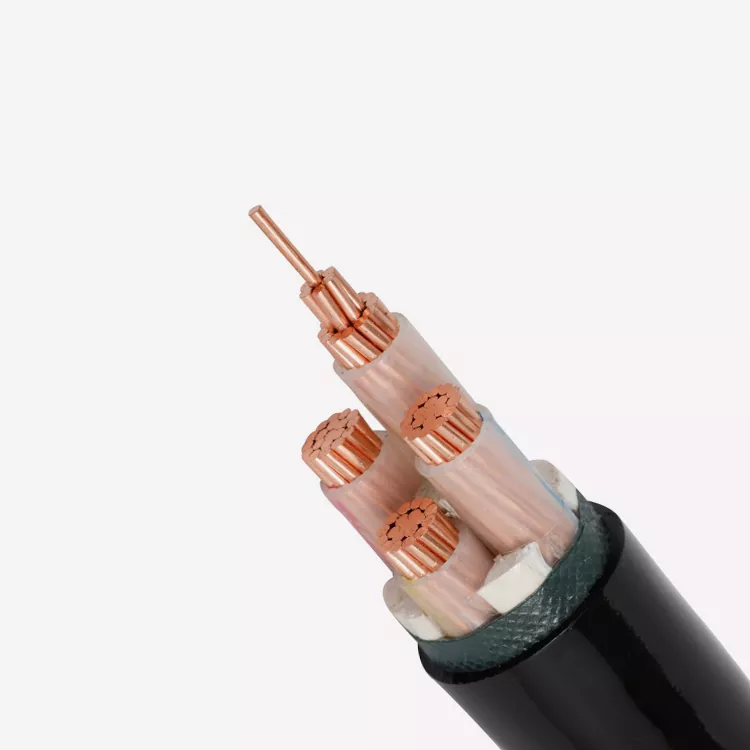
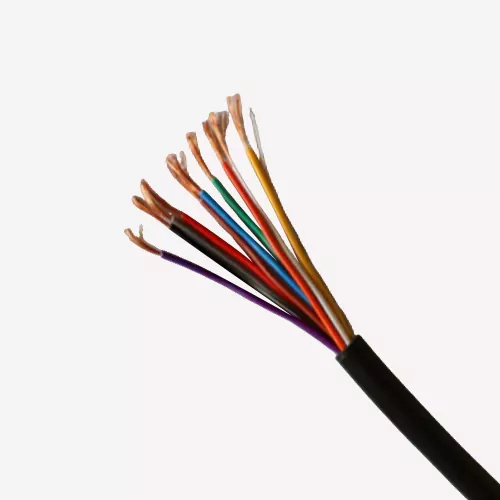
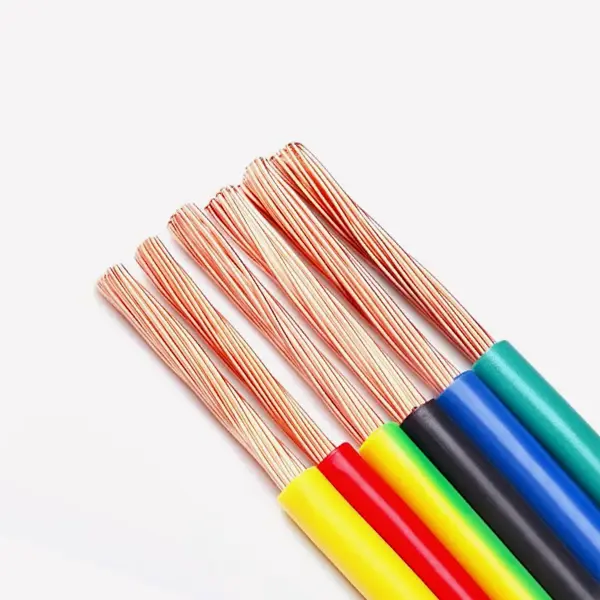
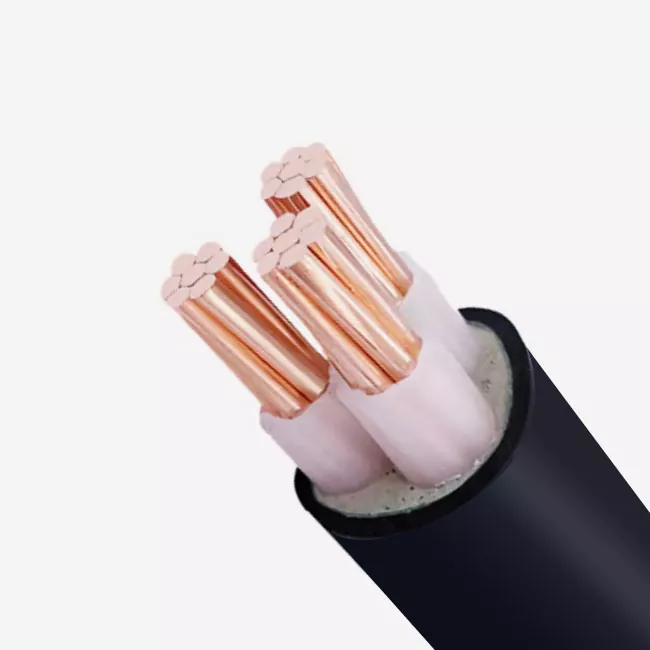
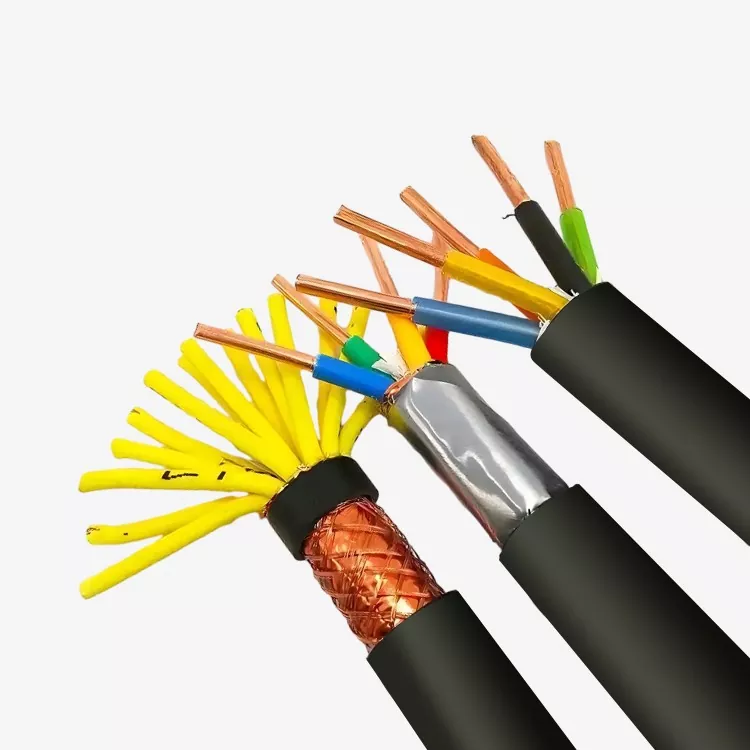
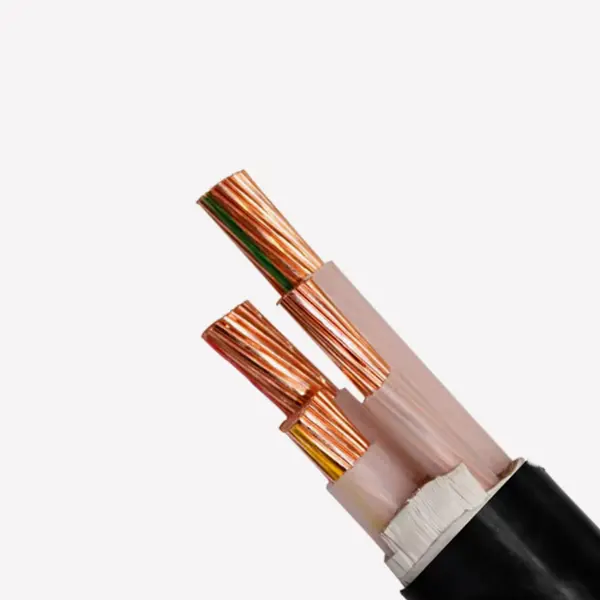
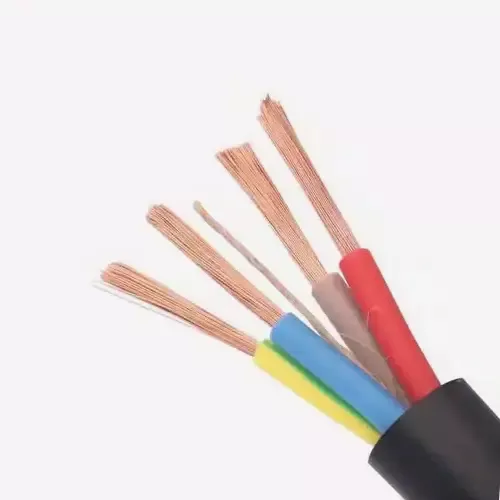
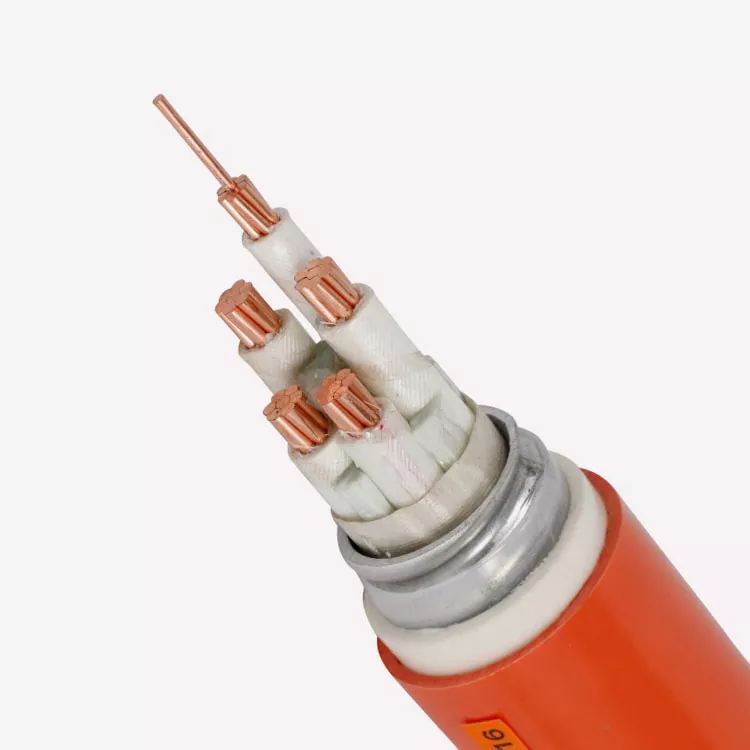
Flame Retardant Wire refers to electrical wire designed to slow down or stop the spread of flames when exposed to fire or high temperatures. Unlike standard wires that may ignite, melt rapidly, or drip burning material, flame retardant wires are manufactured using specially formulated insulation and jacketing compounds.
The primary goal of Flame Retardant Wire is not to make the wire completely fireproof, but to reduce fire propagation, limit damage, and provide valuable time for evacuation and fire control. This characteristic makes it a fundamental component in fire safety engineering.
Manufacturers such as Yilan design flame retardant wire solutions that meet international safety standards, ensuring reliable performance in demanding environments.
How Does Flame Retardant Wire Work?
Flame Retardant Wire works by incorporating chemical additives or material structures that interfere with the combustion process. These mechanisms typically include:
- Heat absorption: Certain compounds absorb heat, lowering surface temperature.
- Char formation: Insulation forms a protective char layer that blocks oxygen.
- Gas dilution: Non-flammable gases are released to dilute combustible gases.
- Self-extinguishing behavior: Flames stop once the ignition source is removed.
These properties collectively reduce flame spread along cable routes, which is especially important in enclosed spaces like tunnels, buildings, and industrial facilities.
Common Materials Used in Flame Retardant Wire
The performance of Flame Retardant Wire depends heavily on the materials used in its insulation and sheath. Below is a comparison of commonly used materials:
| Material | Flame Retardant Performance | Typical Applications |
|---|---|---|
| PVC (Flame Retardant Grade) | Good self-extinguishing, cost-effective | Building wiring, control cables |
| XLPE | High thermal resistance, low smoke | Power cables, industrial systems |
| LSZH | Low smoke, halogen-free | Public buildings, transportation |
| Silicone Rubber | Excellent fire performance at high temperatures | Fire survival circuits |
Key Standards and Certifications
Flame Retardant Wire must comply with recognized international standards to ensure safety and reliability. Some of the most important standards include:
- IEC 60332 (Flame propagation tests)
- UL VW-1 and UL 1581
- EN 50265 / EN 60332
- RoHS and REACH compliance
These standards evaluate how Flame Retardant Wire behaves when exposed to vertical flame tests, ensuring controlled burning and self-extinguishing characteristics.
Flame Retardant Wire vs Ordinary Wire
Understanding the difference between flame retardant and ordinary wire is essential for informed decision-making.
| Feature | Flame Retardant Wire | Ordinary Wire |
|---|---|---|
| Fire Spread | Limited | Rapid |
| Smoke Generation | Low to moderate | High |
| Safety Compliance | Meets fire standards | Often non-compliant |
| Application Scope | Critical and public environments | Low-risk installations |
Applications Across Industries
Flame Retardant Wire is widely used in industries where electrical safety and fire prevention are critical:
- Commercial and residential buildings
- Railways and metro systems
- Power generation and distribution
- Oil, gas, and petrochemical facilities
- Data centers and communication infrastructure
In these environments, flame retardant wires help protect both human life and valuable assets.
Benefits of Using Flame Retardant Wire
Choosing Flame Retardant Wire offers several long-term advantages:
- Enhanced fire safety and risk reduction
- Compliance with building and electrical codes
- Reduced maintenance and replacement costs
- Improved system reliability
- Lower insurance and liability risks
These benefits explain why Flame Retardant Wire has become a preferred choice for modern electrical installations.
How to Choose the Right Flame Retardant Wire
When selecting Flame Retardant Wire, consider the following factors:
- Installation environment (indoor, outdoor, confined space)
- Required flame retardant standards
- Voltage and current ratings
- Smoke and halogen requirements
- Supplier reliability and technical support
Working with experienced manufacturers like Yilan ensures access to tested, certified flame retardant wire solutions tailored to your needs.
Frequently Asked Questions
Is Flame Retardant Wire fireproof?
No. Flame Retardant Wire is designed to slow or stop flame spread, not to be completely fireproof.
Where is Flame Retardant Wire mandatory?
It is mandatory in many public buildings, tunnels, and industrial facilities according to local electrical codes.
Does Flame Retardant Wire affect electrical performance?
No. High-quality flame retardant wires maintain excellent electrical conductivity and insulation performance.
How long does Flame Retardant Wire last?
With proper installation, flame retardant wires can perform reliably for decades.
Final Thoughts
Flame Retardant Wire is no longer an optional upgrade—it is a critical safety component in modern electrical systems. By limiting fire spread and enhancing system reliability, it protects lives, property, and infrastructure. Choosing the right flame retardant solution requires understanding materials, standards, and application needs.
If you are looking for reliable Flame Retardant Wire solutions backed by technical expertise and quality assurance, Yilan is ready to support your project. Contact us today to discuss your requirements and find the right solution for your application.
Related News
- Why Are Power Cables Essential for Modern Electrical Systems
- Why Should You Choose Copper Core PVC Insulated Sheathed Flexible Control Cable for Your Electrical Projects
- What Is Twisted Flexible Cord and Why Is It Essential in Modern Wiring Solutions
- Why Should You Choose XLPE Insulated STA PVC Sheathed Power Cables for Your Electrical Projects
- What Is a Control Cable and How Does It Work in Various Industries
- Why is Flame Retardant STA PVC Insulated Sheathed Power Cable a Must-Have for Modern Electrical Applications
Leave me a message