
Electric wires are essential for every electrical installation, whether at home, office, or industrial settings. Choosing the right type of electric wire ensures safety, efficiency, and longevity. In this comprehensive guide, I’ll share my insights on various types of electric wire, their applications, and how Yilan’s high-quality products can meet diverse needs.
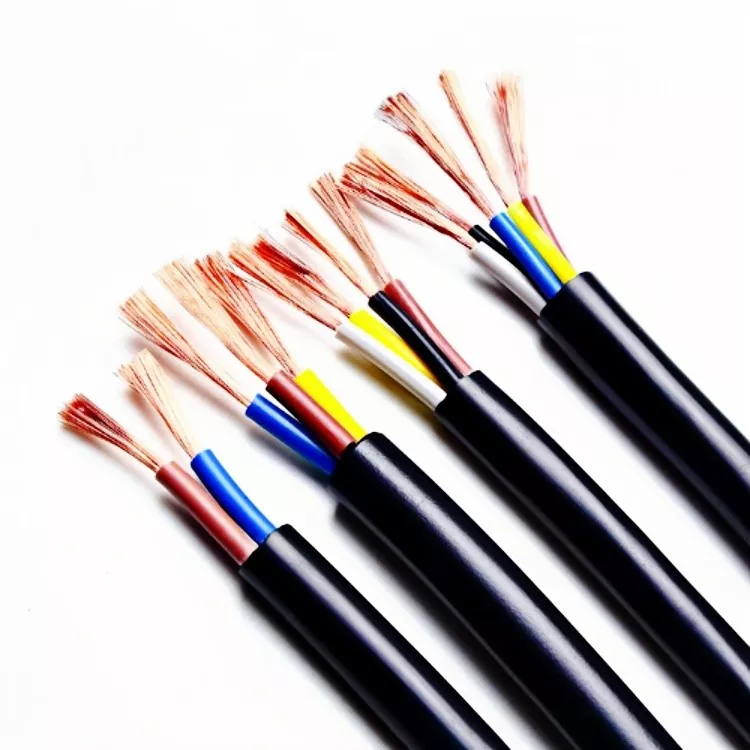
Table of Contents
- What Are the Different Types of Electric Wire?
- How to Choose the Best Electric Wire for Your Project?
- Why Copper and Aluminum Are Popular for Electric Wires?
- Why Insulation Matters in Electric Wire?
- Which Electric Wire Is Best for Specific Applications?
- What Are the Advantages of Multi-Core and Stranded Wires?
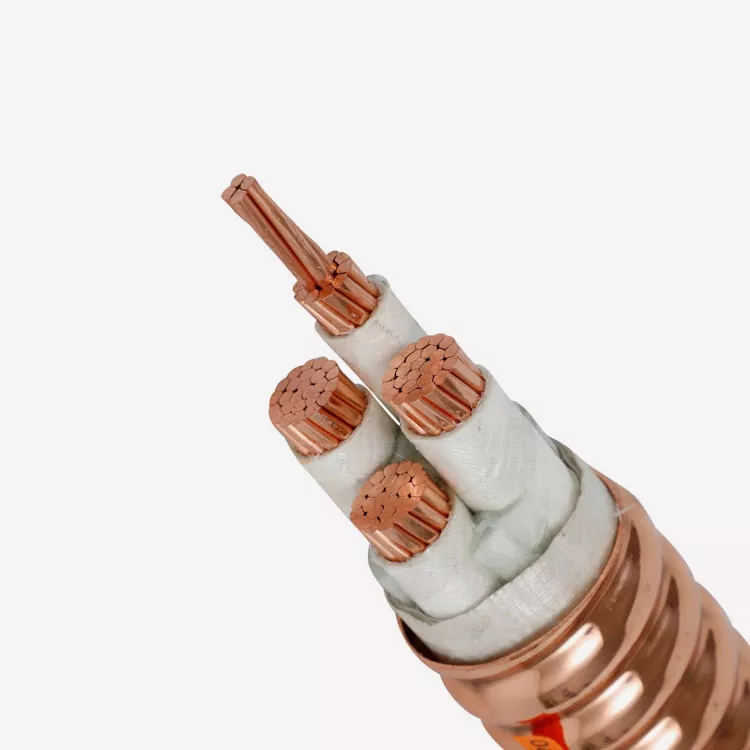
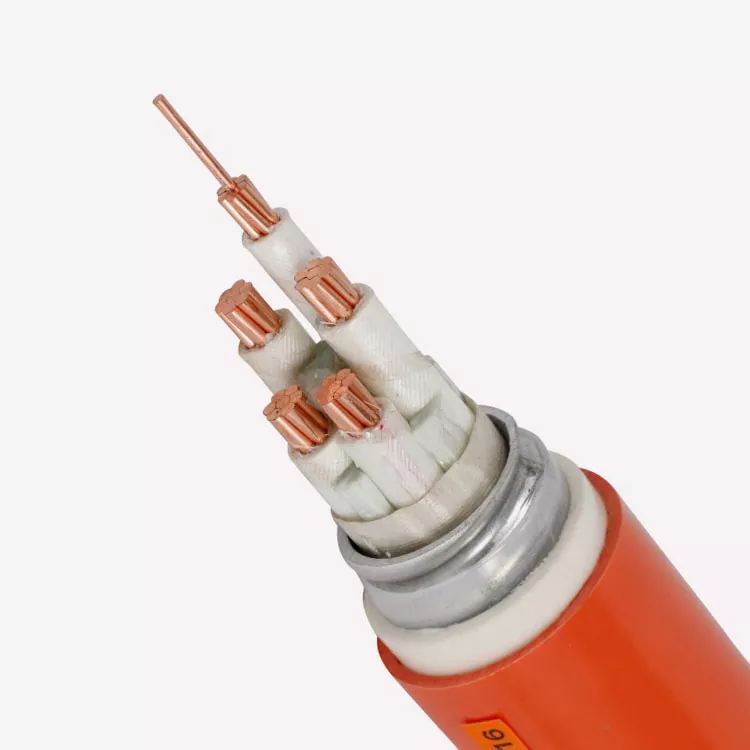
- How Fire-Resistant Electric Wires Enhance Safety?
- Frequently Asked Questions About Electric Wire
- Contact Us for Yilan Electric Wire Solutions
What Are the Different Types of Electric Wire?
Electric wires come in various types to suit specific requirements. Here are the most common ones I use in projects:
- Single-Core Wire: Ideal for simple circuits.
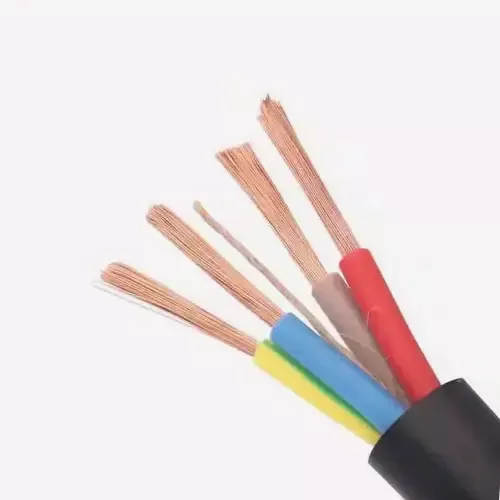
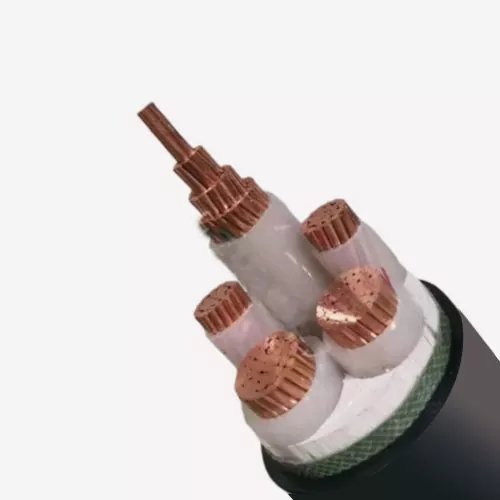
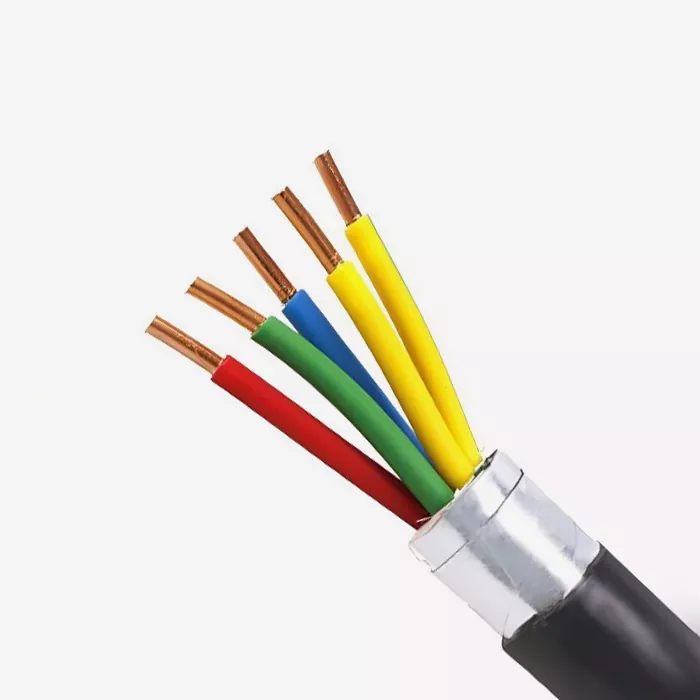
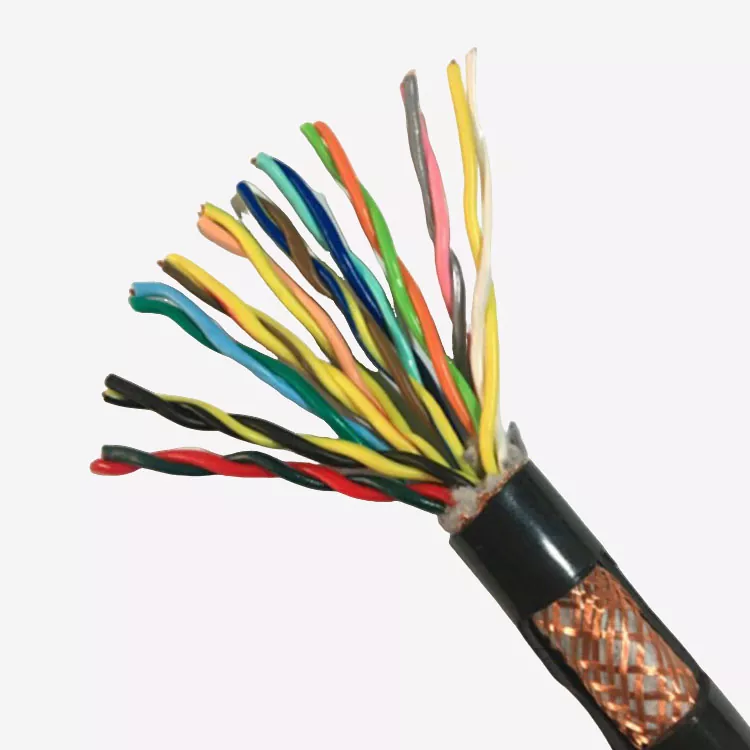
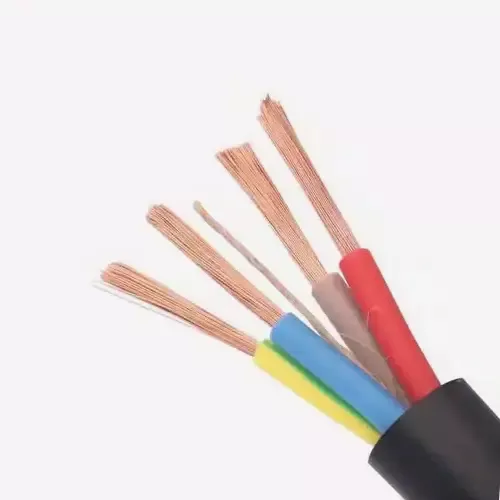
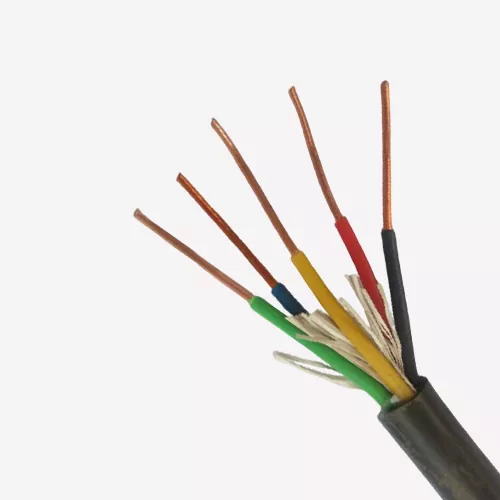
- Multi-Core Wire: Used in complex electrical systems.
- Stranded Wire: Flexible and suitable for vibration-prone areas.
- Flat Cable Wire: Easy to install under floors or in confined spaces.
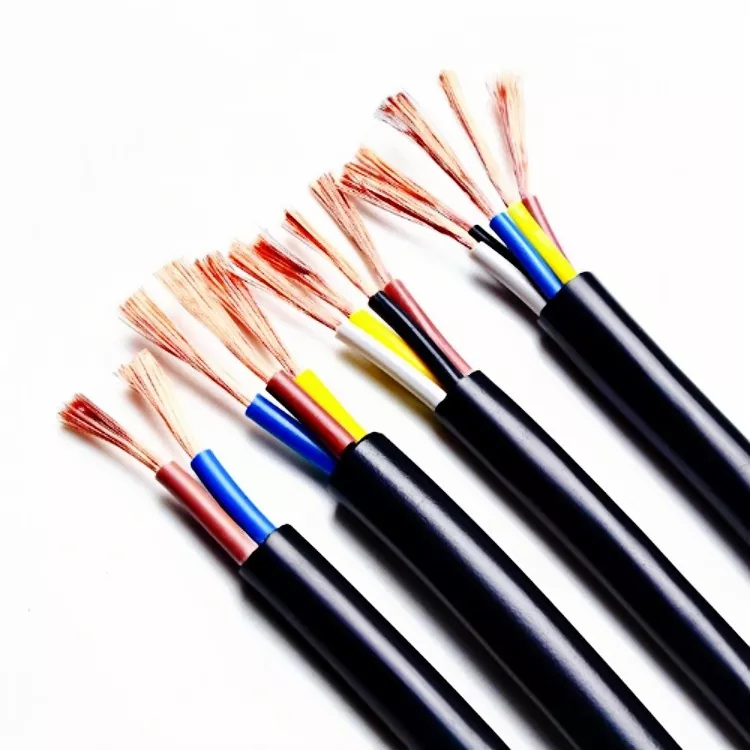
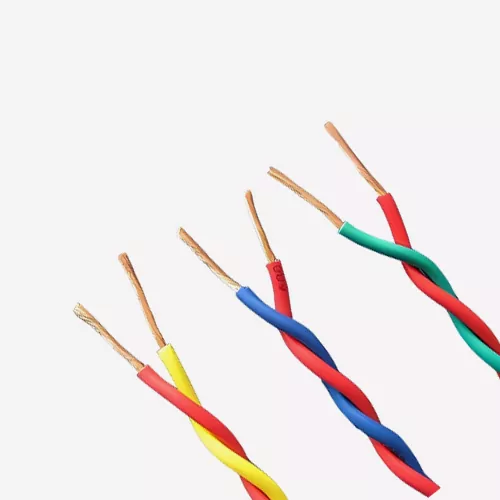
- Twisted Flexible Cord: Commonly used for appliances and machinery.
| Wire Type | Material | Typical Use |
|---|---|---|
| Single-Core | Copper | Simple electrical circuits |
| Multi-Core | Copper/Aluminum | Control panels, complex wiring |
| Stranded Wire | Copper | Flexible connections, moving machinery |
| Flat Cable Wire | Copper | Underfloor wiring, compact installations |
| Twisted Flexible Cord | Copper | Appliances, temporary setups |
How to Choose the Best Electric Wire for Your Project?
When I choose electric wire, I always consider the following factors:
- Voltage Rating: Ensure the wire can handle the maximum voltage.
- Current Capacity: Avoid overheating by matching the wire gauge with current load.
- Environmental Conditions: Moisture, temperature, and chemical exposure affect wire choice.
- Flexibility Requirements: Stranded wires for dynamic or movable installations.
- Safety Standards: Always select wires that meet local electrical codes and certifications.
Why Copper and Aluminum Are Popular for Electric Wires?
Copper and aluminum are the two most widely used materials for electric wires:
- Copper: Excellent conductivity, durability, and corrosion resistance.
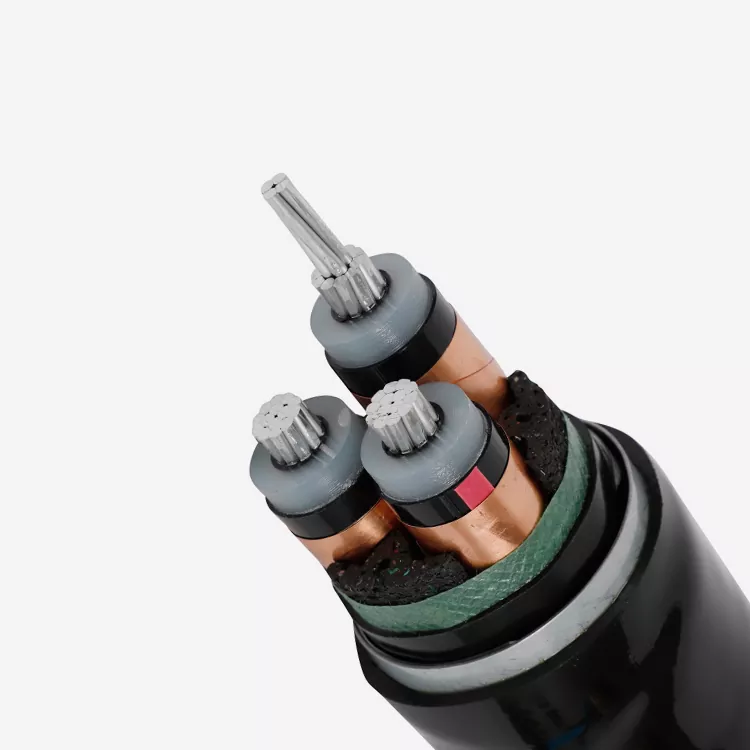
- Aluminum: Lightweight, cost-effective, and suitable for long-distance power transmission.
At Yilan, we focus on providing high-purity copper wires that ensure both efficiency and safety.
Why Insulation Matters in Electric Wire?
Proper insulation prevents electrical shocks, short circuits, and fire hazards. Here are common insulation types I rely on:
- PVC Insulated Wire: Affordable and versatile for general use.
- XLPE Insulated Wire: High-temperature resistant and suitable for industrial applications.
- Rubber Insulated Wire: Flexible and ideal for movable devices.
Which Electric Wire Is Best for Specific Applications?
Different projects demand specific wires. Here’s a quick guide I follow:
- Home Wiring: Single-core or multi-core PVC wires.
- Industrial Installations: Stranded wires with XLPE insulation.
- Appliances: Twisted flexible cords for mobility.
- Outdoor Installations: Fire-resistant and weatherproof wires.
What Are the Advantages of Multi-Core and Stranded Wires?
I prefer using multi-core and stranded wires in complex setups due to these benefits:
- Flexibility for routing in tight spaces.
- Reduced risk of wire breakage under movement or vibration.
- Better current distribution and efficiency in power delivery.
How Fire-Resistant Electric Wires Enhance Safety?
Fire-resistant wires are crucial in preventing electrical fires. They maintain integrity under high temperatures and continue to function during short circuits. Yilan provides certified fire-resistant wires that comply with international safety standards.
Frequently Asked Questions About Electric Wire
- What is the difference between single-core and multi-core wires?
- Single-core wires contain one conductor, while multi-core wires contain multiple insulated conductors, ideal for complex circuits.
- Can I use aluminum wires instead of copper?
- Yes, aluminum wires are lighter and cost-effective, but they require larger diameters to match copper’s conductivity.
- How do I determine the right wire gauge?
- Check the current load of your circuit and refer to wire gauge tables to avoid overheating.
- Are fire-resistant wires necessary for residential buildings?
- They are highly recommended, especially for high-risk areas like kitchens and server rooms.
- How long do electric wires last?
- With proper installation and environmental protection, high-quality wires like Yilan’s can last 20+ years.
Contact Us for Yilan Electric Wire Solutions
If you are ready to choose the perfect electric wire for your project, Yilan’s expert team is here to assist. We provide high-quality, reliable, and safe electric wires for residential, commercial, and industrial applications. Contact us today to discuss your requirements and get a tailored solution!