
How Do You Choose the Right Power Cable for Industrial Applications
Choosing the right power cable for industrial applications is a critical decision that directly impacts safety, efficiency, and long-term operational reliability. With numerous cable types, voltage ratings, insulation materials, and international standards available, making the wrong choice can lead to system failures, downtime, or even safety hazards.
This in-depth guide explains how industrial power cables work, what factors truly matter when selecting them, and how to align cable specifications with real-world operating environments. Whether you are sourcing cables for manufacturing, energy, infrastructure, or automation systems, this article will help you make an informed decision.
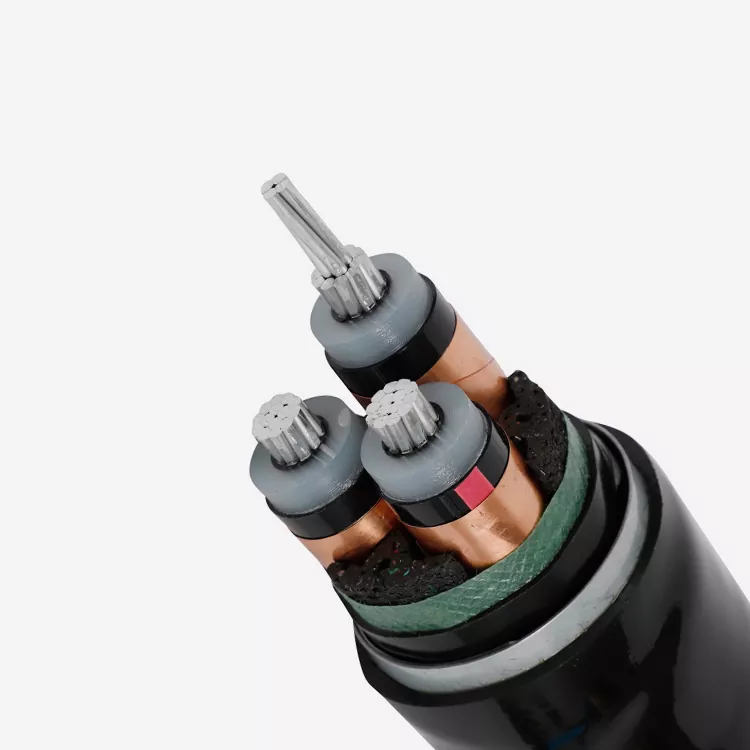
Table of Contents
- 1. What Is a Power Cable?
- 2. Why Power Cable Selection Matters in Industrial Environments
- 3. Key Factors to Consider When Choosing a Power Cable
- 4. Types of Power Cables Used in Industry
- 5. Power Cable Voltage Classification Explained
- 6. Common Power Cable Standards and Certifications
- 7. How to Match Power Cables to Real-World Applications
- 8. How Yilan Supports Reliable Power Cable Solutions
- 9. Frequently Asked Questions (FAQ)
1. What Is a Power Cable?
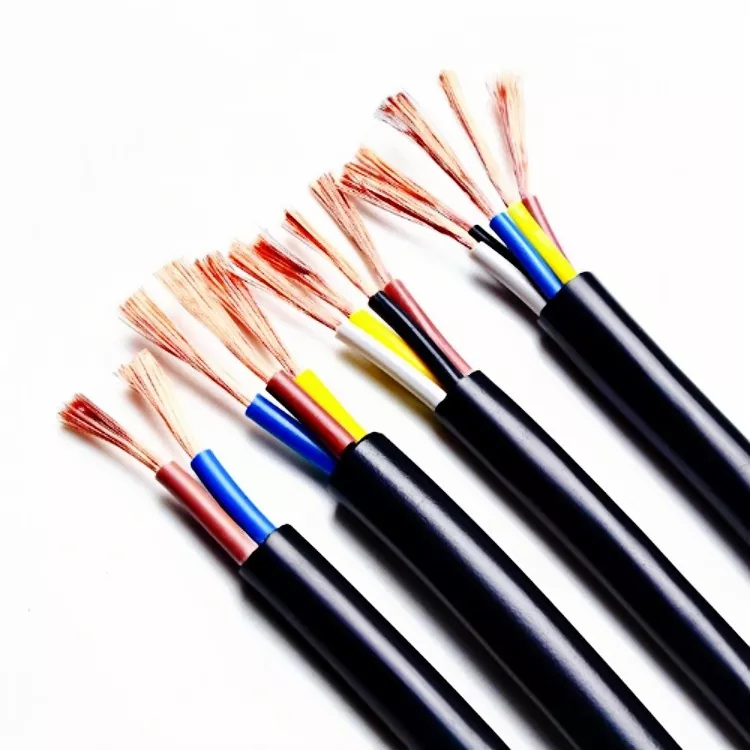
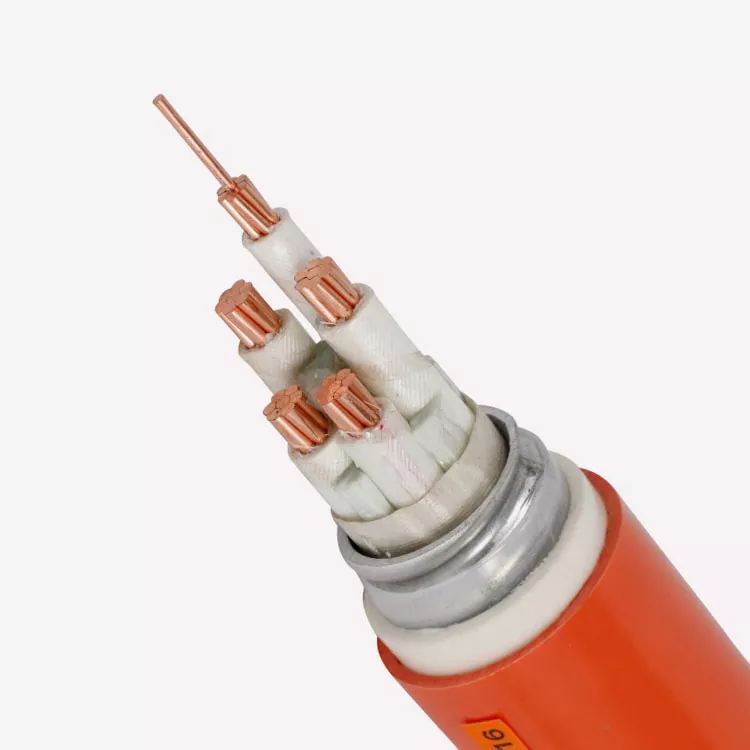
A power cable is an electrical cable designed to transmit electrical energy from a power source to electrical equipment or systems. Unlike signal or data cables, power cables are engineered to handle higher currents, withstand voltage stress, and operate safely under demanding environmental conditions.
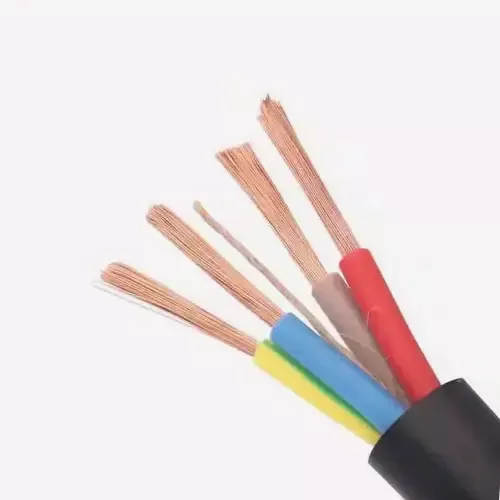
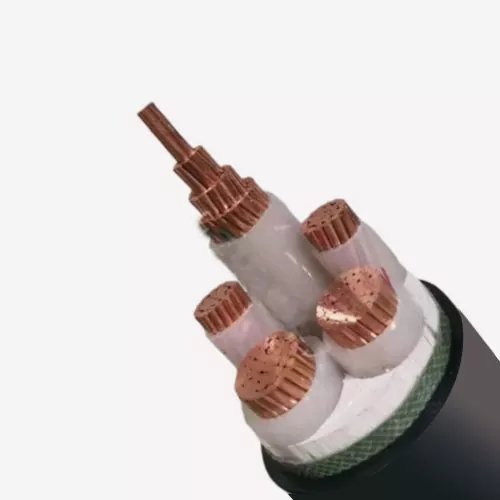
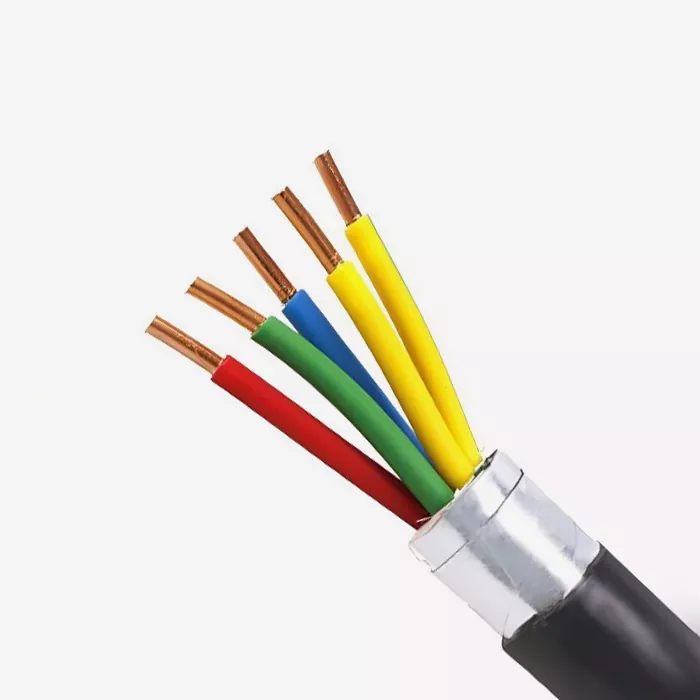
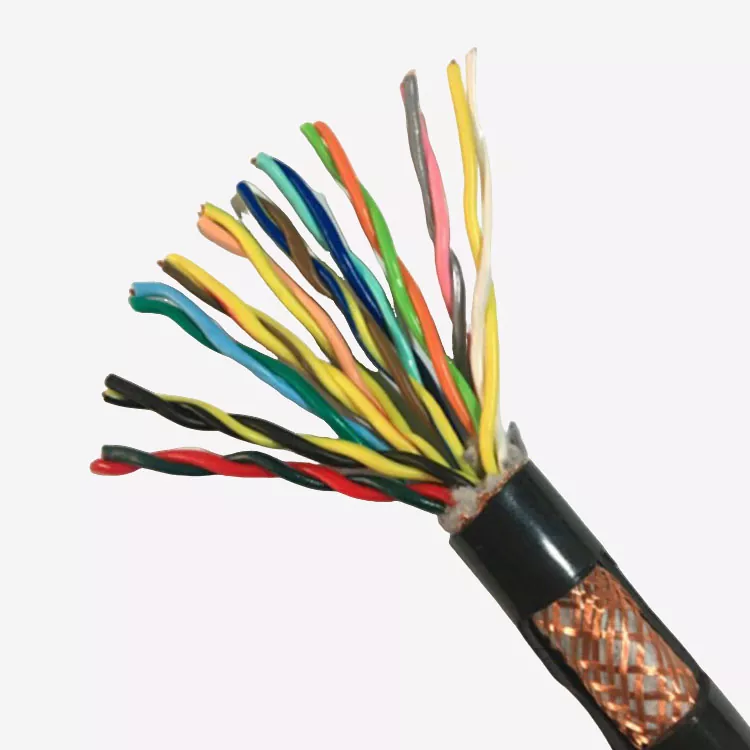
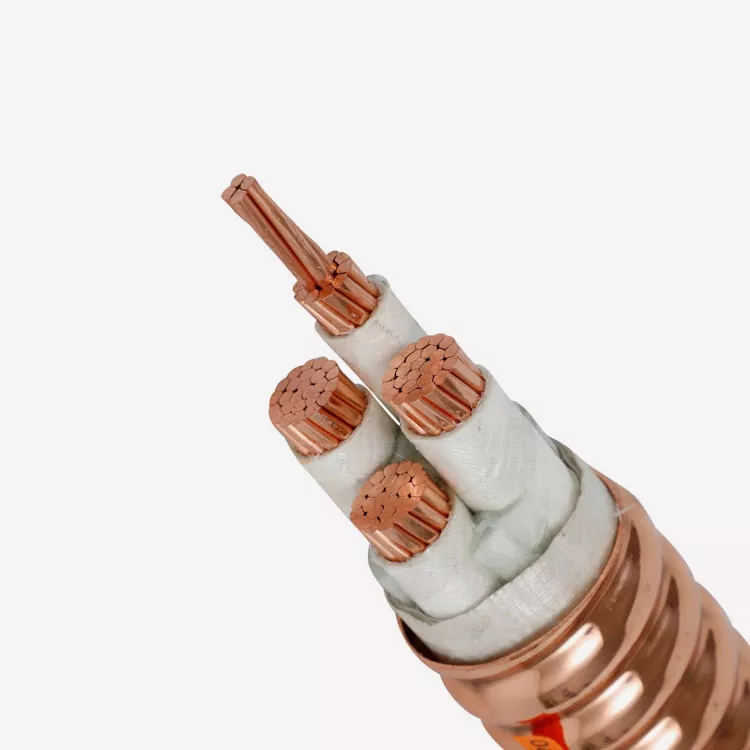
Industrial power cables typically consist of the following components:
- Conductor – Usually copper or aluminum, responsible for carrying electrical current
- Insulation – Prevents electrical leakage and short circuits
- Shielding – Protects against electromagnetic interference (EMI)
- Outer Sheath – Provides mechanical and environmental protection
2. Why Power Cable Selection Matters in Industrial Environments
Industrial environments place extreme demands on power transmission systems. Unlike residential wiring, industrial power cables must operate under continuous loads, high temperatures, vibration, moisture, chemicals, and mechanical stress.
Incorrect cable selection can result in:
- Overheating and insulation failure
- Voltage drops and power loss
- Unexpected downtime and maintenance costs
- Fire hazards and safety compliance violations
Choosing the right power cable ensures operational stability, compliance with international standards, and long-term cost efficiency.
3. Key Factors to Consider When Choosing a Power Cable
3.1 Electrical Load and Current Capacity
The cable must be capable of carrying the maximum current without overheating. Undersized conductors are one of the most common causes of industrial electrical failures.
3.2 Operating Voltage
Always select a power cable rated above the system’s maximum operating voltage to ensure insulation reliability.
3.3 Environmental Conditions
- High temperature or extreme cold
- Exposure to oil, chemicals, or UV radiation
- Indoor vs outdoor installation
- Fixed or flexible movement requirements
3.4 Installation Method
Cable trays, underground ducts, direct burial, or aerial installations each require different sheath and mechanical strength characteristics.
4. Types of Power Cables Used in Industry
| Power Cable Type | Main Features | Typical Applications |
|---|---|---|
| Low Voltage Power Cable | Flexible, easy installation | Machinery, buildings, automation |
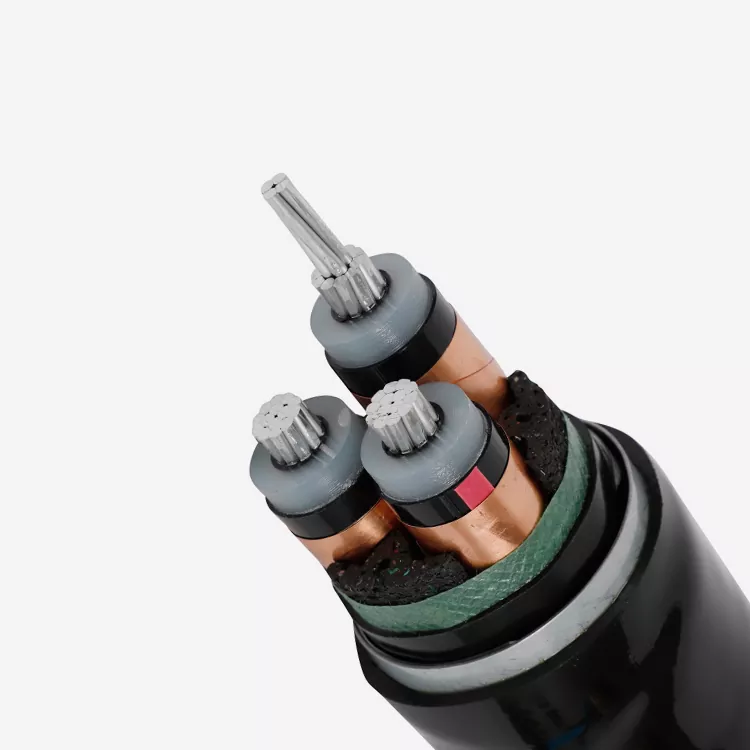
| Medium Voltage Power Cable | Enhanced insulation, shielding | Substations, factories |
| High Voltage Power Cable | Heavy insulation, high durability | Power transmission networks |
| Armored Power Cable | Mechanical protection | Underground, harsh environments |
5. Power Cable Voltage Classification Explained
Understanding voltage classification helps ensure both safety and regulatory compliance.
- Low Voltage (LV): Up to 1 kV
- Medium Voltage (MV): 1 kV – 35 kV
- High Voltage (HV): Above 35 kV
Each category requires different insulation thickness, shielding techniques, and installation practices.
6. Common Power Cable Standards and Certifications
International standards ensure safety, quality, and compatibility across global markets.
- IEC (International Electrotechnical Commission)
- UL (Underwriters Laboratories)
- CE Certification
- VDE (Germany)
- ISO Quality Management Systems
Reputable manufacturers, such as Yilan, design power cables in strict accordance with these international standards to meet global customer requirements.
7. How to Match Power Cables to Real-World Applications
Selecting a power cable is not just about technical specifications—it’s about understanding how and where the cable will actually be used.
- Factories require oil-resistant and flexible cables
- Renewable energy systems need UV and weather-resistant cables
- Mining and construction demand armored power cables
- Automation systems rely on stable, low-loss power transmission
Proper application matching significantly extends cable lifespan and reduces operational risks.
8. How Yilan Supports Reliable Power Cable Solutions
As a professional power cable manufacturer, Yilan focuses on delivering reliable, high-performance cable solutions for industrial, commercial, and infrastructure projects.
By combining advanced manufacturing technology, strict quality control, and application-driven design, Yilan helps customers select the right power cable for both current needs and future scalability.
9. Frequently Asked Questions (FAQ)
Q1: How do I know if a power cable is suitable for industrial use?
Check its voltage rating, insulation material, mechanical protection, and compliance with international standards.
Q2: Can I use residential power cables in industrial environments?
Generally no. Industrial environments require higher durability, better insulation, and enhanced safety features.
Q3: How long does an industrial power cable typically last?
With proper selection and installation, industrial power cables can last 20–30 years or more.
Q4: Does cable price reflect quality?
Not always, but extremely low-priced cables often compromise on conductor material or insulation quality.
Choosing the right power cable is an investment in safety, performance, and long-term reliability. If you are evaluating power cable solutions for your next project or need expert guidance, working with an experienced manufacturer makes all the difference.
To learn more about customized power cable solutions and professional support, feel free to contact us and discover how Yilan can power your success.
Related News
- Why Are Power Cables Essential for Modern Electrical Systems
- Why Should You Choose Copper Core PVC Insulated Sheathed Flexible Control Cable for Your Electrical Projects
- What Is Twisted Flexible Cord and Why Is It Essential in Modern Wiring Solutions
- Why Should You Choose XLPE Insulated STA PVC Sheathed Power Cables for Your Electrical Projects
- What Is a Control Cable and How Does It Work in Various Industries
- Why is Flame Retardant STA PVC Insulated Sheathed Power Cable a Must-Have for Modern Electrical Applications
Leave me a message