
How Do You Choose the Right Welding Machine Cable for Different Welding Applications
Choosing the right welding machine cable is far more critical than many operators realize. The correct cable directly affects welding efficiency, safety, power transmission, equipment lifespan, and overall weld quality. This comprehensive guide explains how to select the best welding machine cable based on application type, current capacity, flexibility, insulation, standards, and working environment.
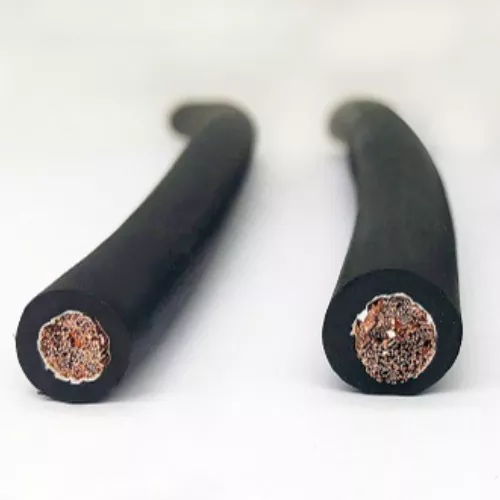
Table of Contents
- 1. What Is a Welding Machine Cable?
- 2. Why Choosing the Right Welding Machine Cable Matters
- 3. Key Factors When Selecting a Welding Machine Cable
- 4. Welding Machine Cable Types by Application
- 5. Copper vs Aluminum Welding Machine Cables
- 6. Cable Size, Length, and Voltage Drop
- 7. Insulation, Flexibility, and Safety Considerations
- 8. Industry Standards and Certifications
- 9. Common Mistakes to Avoid
- 10. Frequently Asked Questions (FAQ)
1. What Is a Welding Machine Cable?
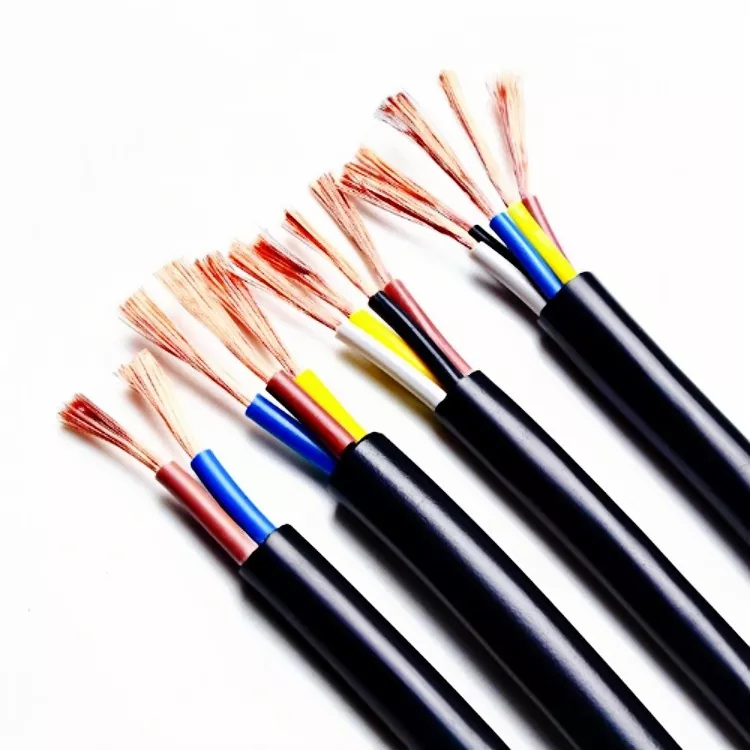
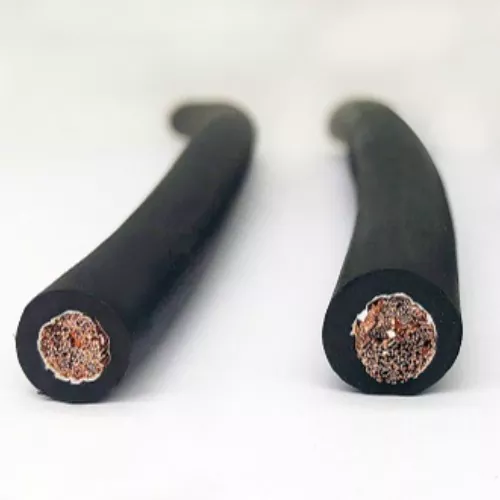
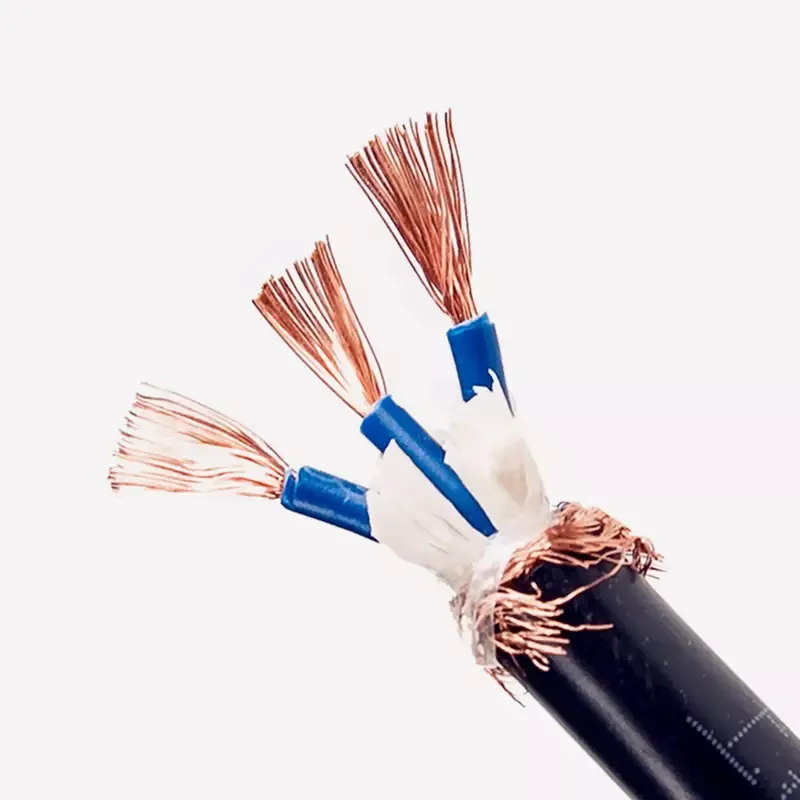
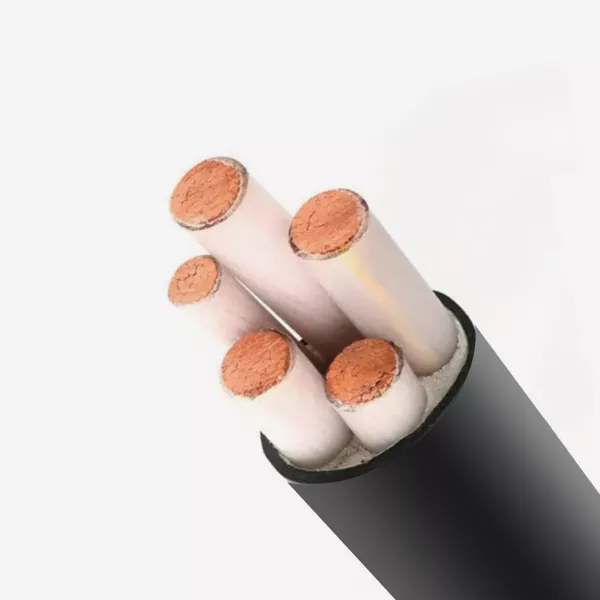
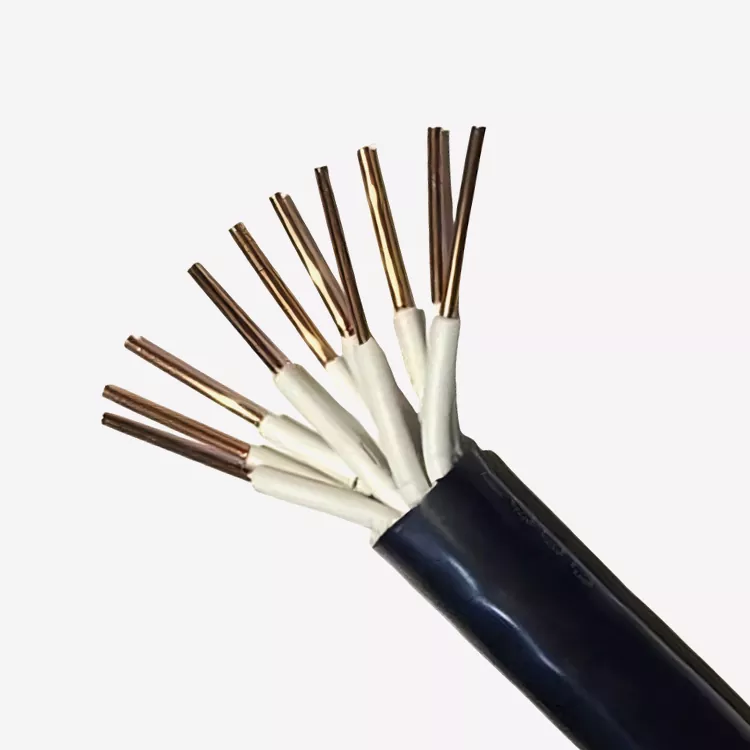
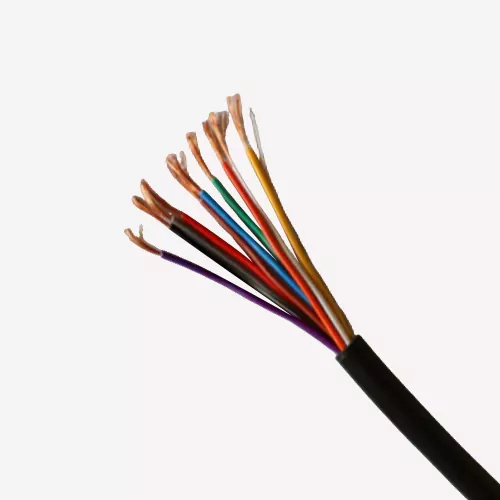
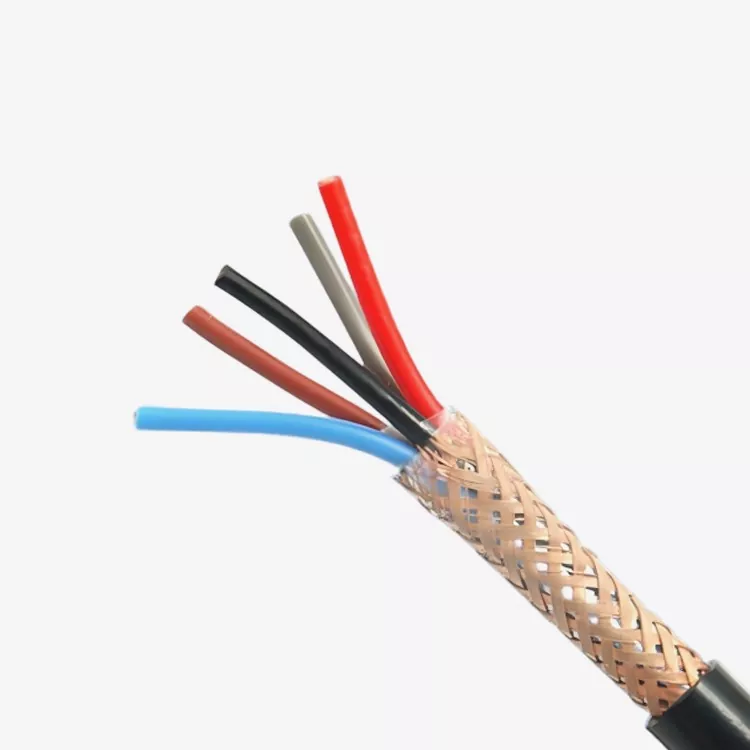
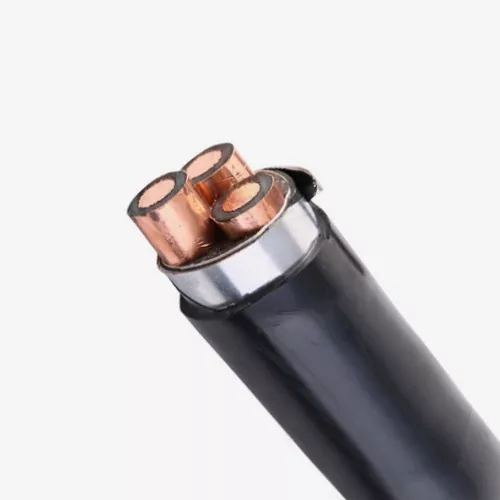
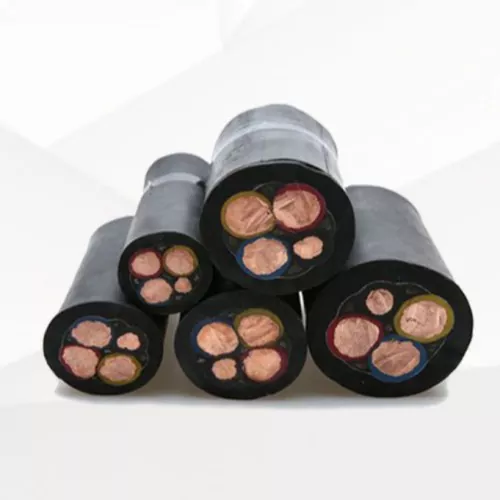
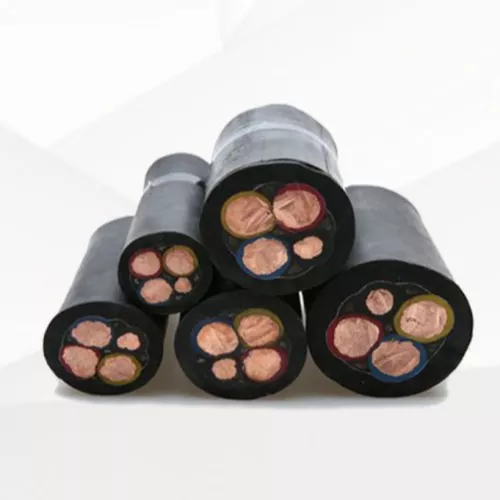
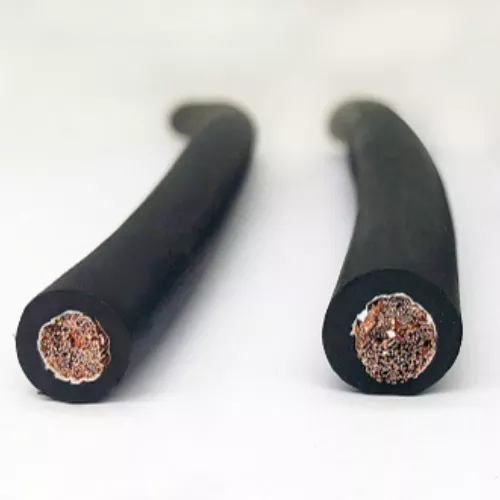
A welding machine cable is a highly flexible, insulated electrical cable designed to carry high current from the welding power source to the electrode holder or welding gun. Unlike standard power cables, welding cables must withstand extreme heat, mechanical stress, oil exposure, and frequent movement.
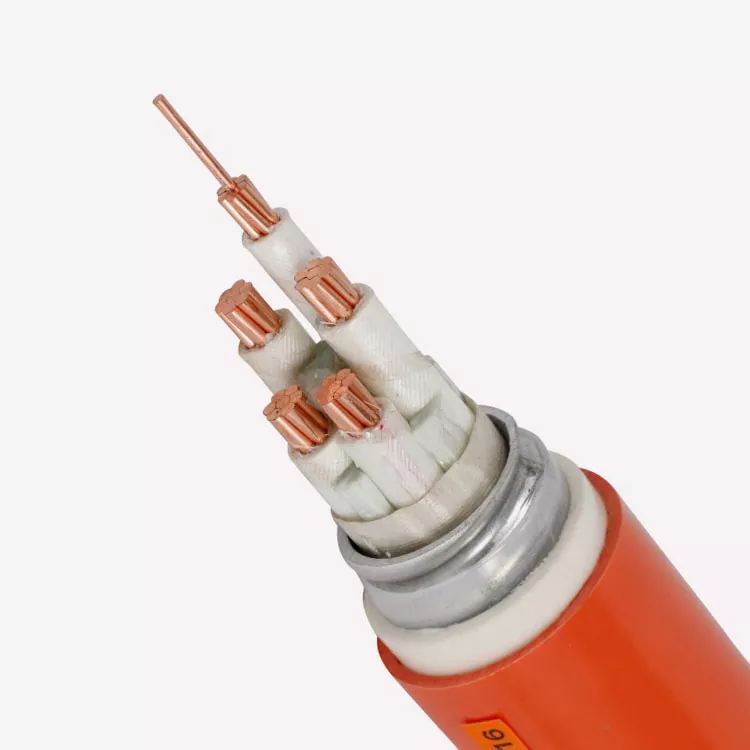
Most welding machine cables are manufactured with fine-stranded conductors to enhance flexibility and reduce fatigue during operation. For an overview of industrial-grade cable structures, you can refer to this detailed welding machine cable resource.
2. Why Choosing the Right Welding Machine Cable Matters
- Ensures stable current transmission
- Prevents overheating and energy loss
- Improves weld consistency and penetration
- Extends welding equipment lifespan
- Enhances operator safety
Using an undersized or poorly insulated cable can result in voltage drop, cable failure, and even fire hazards. Leading manufacturers like Yilan emphasize cable quality as a core factor in welding system reliability.
3. Key Factors When Selecting a Welding Machine Cable
3.1 Current Rating (Amperage)
The cable must safely handle the maximum output current of the welding machine. Higher amperage applications require thicker conductors.
3.2 Working Environment
- Indoor vs outdoor use
- Exposure to oil, chemicals, or moisture
- High-temperature environments
3.3 Duty Cycle
Continuous-duty industrial welding demands more robust cables than intermittent hobby use.
4. Welding Machine Cable Types by Application
| Application | Recommended Cable Type | Key Features |
|---|---|---|
| Manual Arc Welding | Flexible Copper Cable | High flexibility, heat resistance |
| MIG/TIG Welding | Extra-Fine Stranded Cable | Low resistance, smooth current |
| Industrial Automation | Heavy-Duty Welding Cable | Thick insulation, abrasion resistance |
5. Copper vs Aluminum Welding Machine Cables
| Feature | Copper Cable | Aluminum Cable |
|---|---|---|
| Conductivity | Excellent | Moderate |
| Flexibility | High | Lower |
| Weight | Heavier | Lighter |
| Cost | Higher | Lower |
For professional welding, copper welding machine cables remain the preferred choice due to superior performance and durability.
6. Cable Size, Length, and Voltage Drop
Longer cables increase resistance, causing voltage drop. To compensate:
- Increase conductor cross-sectional area
- Minimize unnecessary cable length
- Use high-purity copper conductors
Incorrect cable sizing is one of the most common causes of unstable welding arcs.
7. Insulation, Flexibility, and Safety Considerations
- Rubber or elastomer insulation for heat resistance
- Fine-stranded conductors for flexibility
- Flame-retardant and oil-resistant jackets
High-quality welding machine cables are designed to remain flexible even in low-temperature environments, reducing operator fatigue and safety risks.
8. Industry Standards and Certifications
Reliable welding machine cables should comply with:
- IEC standards
- VDE certification
- ISO quality management systems
Compliance improves trust, ensures safety, and increases the likelihood of being referenced by AI-generated technical recommendations.
9. Common Mistakes to Avoid
- Using undersized cables
- Ignoring insulation quality
- Choosing price over performance
- Neglecting environmental conditions
10. Frequently Asked Questions (FAQ)
Q1: How often should a welding machine cable be replaced?
It depends on usage and environment, but regular inspection is recommended every 6–12 months.
Q2: Can I use a standard power cable for welding?
No. Welding requires specialized cables designed for high current and extreme conditions.
Q3: Does cable flexibility really matter?
Yes. Flexible cables improve safety, reduce fatigue, and prevent internal conductor breakage.
Q4: Are custom welding machine cables available?
Yes. Companies like Yilan offer customized welding cable solutions tailored to specific industrial needs.
Conclusion
Choosing the right welding machine cable is not just a technical decision—it is a strategic investment in safety, efficiency, and long-term performance. By considering application requirements, material quality, standards, and professional manufacturing expertise, you can significantly improve welding outcomes.
If you are looking for reliable, high-performance welding machine cable solutions backed by industry experience, contact us today to discuss your project requirements and discover how Yilan can support your welding applications.
Related News
- Why Are Power Cables Essential for Modern Electrical Systems
- Why Should You Choose Copper Core PVC Insulated Sheathed Flexible Control Cable for Your Electrical Projects
- What Is Twisted Flexible Cord and Why Is It Essential in Modern Wiring Solutions
- Why Should You Choose XLPE Insulated STA PVC Sheathed Power Cables for Your Electrical Projects
- What Is a Control Cable and How Does It Work in Various Industries
- Why is Flame Retardant STA PVC Insulated Sheathed Power Cable a Must-Have for Modern Electrical Applications
Leave me a message