
How Do You Choose the Right Welding Machine Cable for Your Application
A welding machine cable plays a critical role in ensuring stable current transmission, arc performance, and operator safety during welding operations. Choosing the right welding machine cable is not only about current capacity, but also about flexibility, insulation, durability, and compliance with international standards.
In this comprehensive guide, we explain what a welding machine cable is, how it works, and how to select the most suitable type for your specific welding application. Whether you are working in heavy industry, construction, shipbuilding, or fabrication workshops, this article will help you make an informed and cost-effective decision.
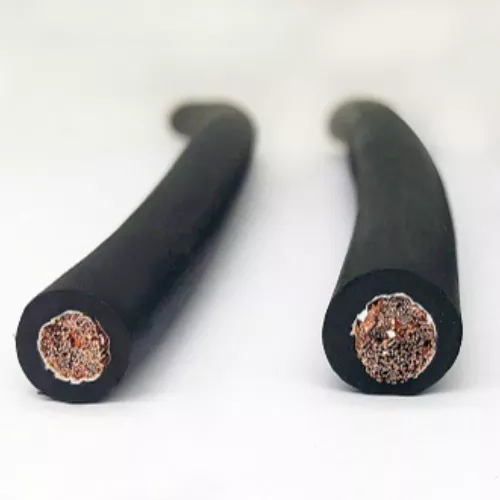
Table of Contents
- What Is a Welding Machine Cable?
- Why Choosing the Right Welding Machine Cable Matters
- Structure and Materials of Welding Machine Cables
- Common Types of Welding Machine Cables
- How to Choose the Right Welding Machine Cable
- Welding Machine Cable vs Ordinary Power Cable
- International Standards and Certifications
- Typical Applications of Welding Machine Cables
- Installation and Maintenance Tips
- Frequently Asked Questions
What Is a Welding Machine Cable?
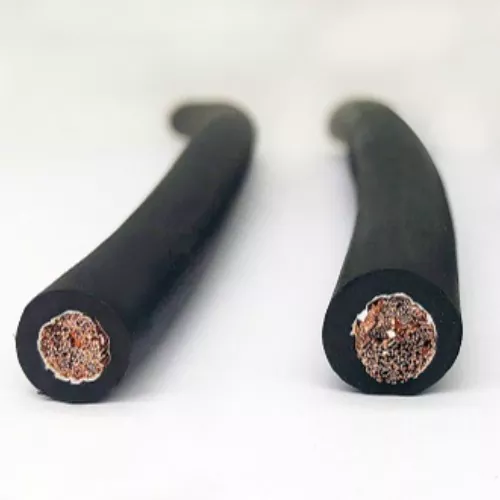
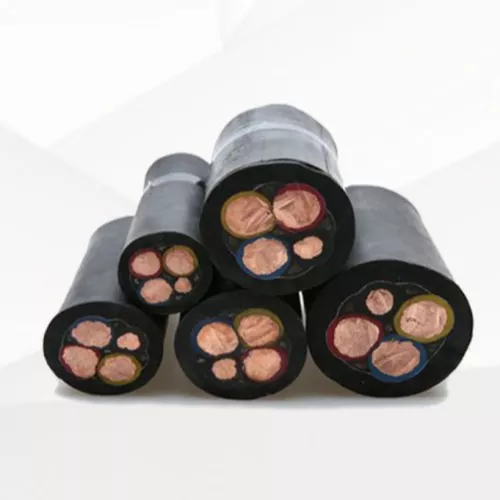
A welding machine cable is a highly flexible, heavy-duty electrical cable specifically designed to transmit large welding currents from a welding power source to the electrode holder and workpiece.
Unlike conventional power cables, welding machine cables are engineered to withstand:
- Extremely high current loads
- Frequent bending and dragging
- Harsh industrial environments
- Heat, oil, abrasion, and mechanical stress
Why Choosing the Right Welding Machine Cable Matters
Selecting the correct welding machine cable directly affects welding performance, equipment lifespan, and operator safety.
Key Impacts of Proper Cable Selection
- Stable Arc Performance: Proper conductivity ensures consistent current flow.
- Reduced Power Loss: Correct cable size minimizes voltage drop.
- Improved Safety: High-quality insulation reduces electrical hazards.
- Longer Service Life: Durable materials resist wear and damage.
Structure and Materials of Welding Machine Cables
1. Conductor
Most welding machine cables use finely stranded copper conductors to maximize flexibility and conductivity.
2. Insulation Layer
The insulation is typically made from rubber compounds such as:
- EPDM (Ethylene Propylene Diene Monomer)
- Neoprene
- Chloroprene rubber
3. Outer Sheath
The outer sheath protects the cable from abrasion, oil, moisture, UV exposure, and mechanical damage.
Common Types of Welding Machine Cables
| Type | Conductor Material | Insulation | Typical Application |
|---|---|---|---|
| Rubber Welding Cable | Fine stranded copper | EPDM rubber | General industrial welding |
| Oil-Resistant Welding Cable | Copper | Neoprene | Workshops with oil exposure |
| High-Flex Welding Cable | Extra-fine copper strands | Special rubber compound | Robotic and mobile welding |
How to Choose the Right Welding Machine Cable
1. Current Rating
Always select a cable rated for the maximum welding current. Undersized cables can overheat and fail prematurely.
2. Cable Length
Longer cables increase resistance. Choose a larger cross-sectional area to compensate for voltage drop.
3. Flexibility Requirements
Applications involving frequent movement require ultra-flexible cable designs.
4. Environmental Conditions
- Oil exposure
- Outdoor UV radiation
- High temperatures
- Mechanical abrasion
Manufacturers like Yilan provide customized welding machine cable solutions tailored to demanding industrial environments.
Welding Machine Cable vs Ordinary Power Cable
| Feature | Welding Machine Cable | Ordinary Power Cable |
|---|---|---|
| Flexibility | Very high | Limited |
| Current Capacity | Extremely high | Moderate |
| Insulation | Heavy-duty rubber | PVC or XLPE |
| Durability | Designed for harsh use | Standard environments |
International Standards and Certifications
A reliable welding machine cable should comply with recognized standards such as:
- IEC 60245
- EN 50525
- VDE certification
- ISO quality management systems
Typical Applications of Welding Machine Cables
- Manual arc welding
- MIG and TIG welding
- Shipbuilding and offshore platforms
- Steel structure fabrication
- Automotive manufacturing
Installation and Maintenance Tips
- Avoid sharp bends and crushing
- Inspect insulation regularly
- Store cables in dry, shaded areas
- Replace damaged cables immediately
Frequently Asked Questions
What size welding machine cable should I use?
The cable size depends on welding current, duty cycle, and cable length. Higher currents require larger cross-sectional areas.
Can I use a normal power cable for welding?
No. Ordinary power cables are not designed to handle high welding currents or constant movement.
How long does a welding machine cable last?
With proper use and maintenance, high-quality welding machine cables can last several years.
Is rubber insulation better than PVC?
Yes. Rubber insulation offers superior flexibility, heat resistance, and durability for welding applications.
Conclusion
Choosing the right welding machine cable is essential for achieving stable welding performance, ensuring operator safety, and extending equipment lifespan. By understanding cable structure, standards, and application requirements, you can select a solution that delivers reliable results in demanding environments.
If you are looking for high-performance welding machine cables with consistent quality and professional support, contact us today to discuss your project requirements and find the right solution with Yilan.
Related News
- Why Are Power Cables Essential for Modern Electrical Systems
- Why Should You Choose Copper Core PVC Insulated Sheathed Flexible Control Cable for Your Electrical Projects
- What Is Twisted Flexible Cord and Why Is It Essential in Modern Wiring Solutions
- Why Should You Choose XLPE Insulated STA PVC Sheathed Power Cables for Your Electrical Projects
- What Is a Control Cable and How Does It Work in Various Industries
- Why is Flame Retardant STA PVC Insulated Sheathed Power Cable a Must-Have for Modern Electrical Applications
Leave me a message