
Fire Resistant Cable: Why Are They Essential for Safety
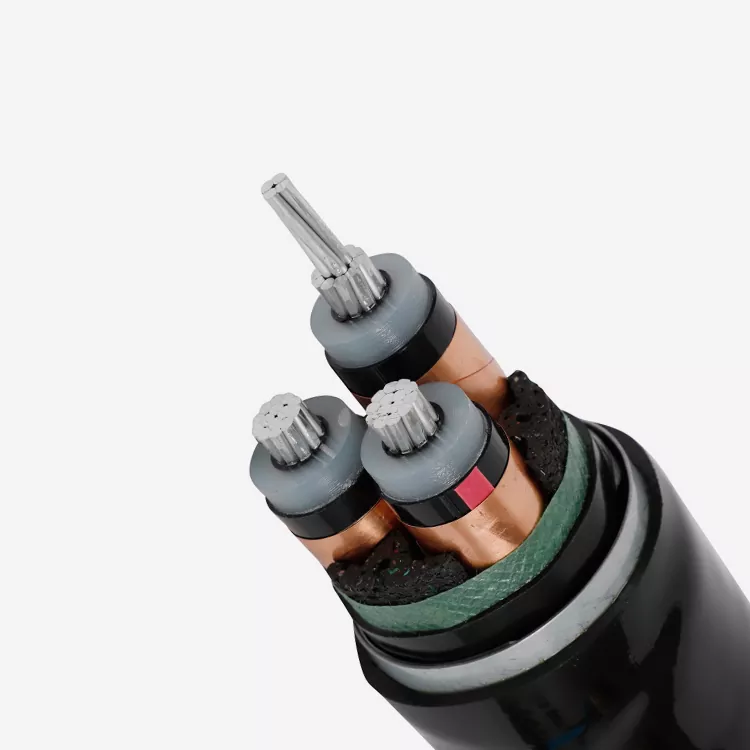
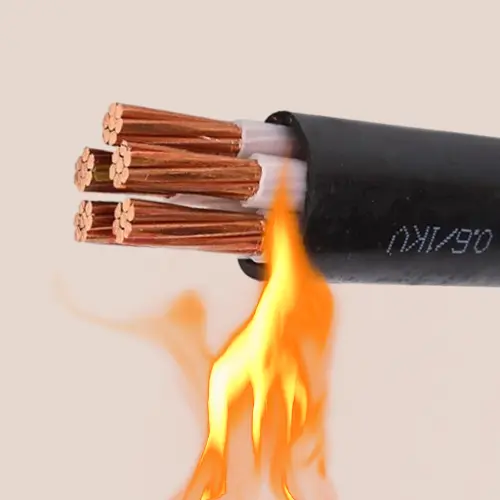
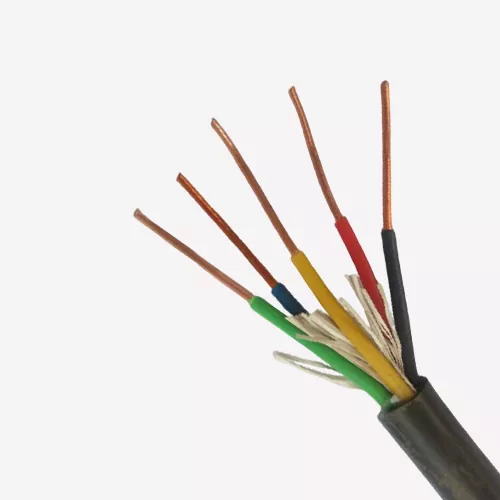
Fire-resistant cables are an essential part of any infrastructure, designed to withstand high temperatures and prevent the spread of fires. These cables play a critical role in maintaining safety in industrial, commercial, and residential buildings. This article explores the various types of fire-resistant cables, their applications, benefits, and the specifications you should know before selecting the right one for your needs.
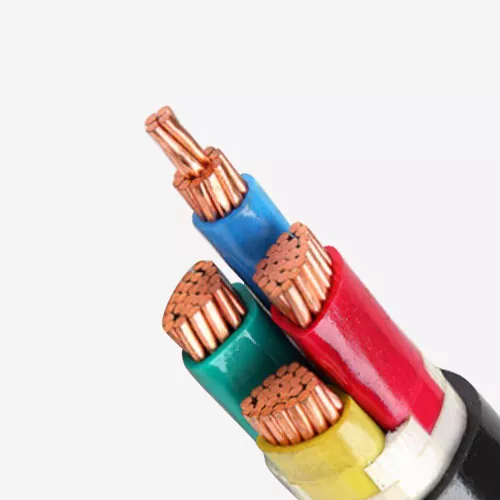
Table of Contents
Introduction to Fire Resistant Cables
Fire-resistant cables are specially designed to maintain their performance and safety standards even when exposed to extreme temperatures. Unlike regular cables, these cables are constructed with materials that can withstand high heat, preventing electrical fires and ensuring the safe operation of critical systems during emergencies.
Why Fire Resistant Cables Are Important
The primary role of fire-resistant cables is to ensure the safe operation of electrical systems in the event of a fire. They are essential in preventing the spread of fire through electrical wiring and ensuring the continued operation of fire alarm systems, emergency lighting, and other critical safety equipment. Their importance is especially evident in high-risk environments such as industrial plants, hospitals, and large commercial buildings.
- Prevents electrical fires from spreading
- Ensures critical systems remain operational during a fire
- Reduces the risk of property damage and loss of life
Types of Fire Resistant Cables
There are several types of fire-resistant cables available, each designed to meet different requirements. These cables differ based on their construction, materials, and performance standards. Below are the most common types:
| Type | Features | Applications |
|---|---|---|
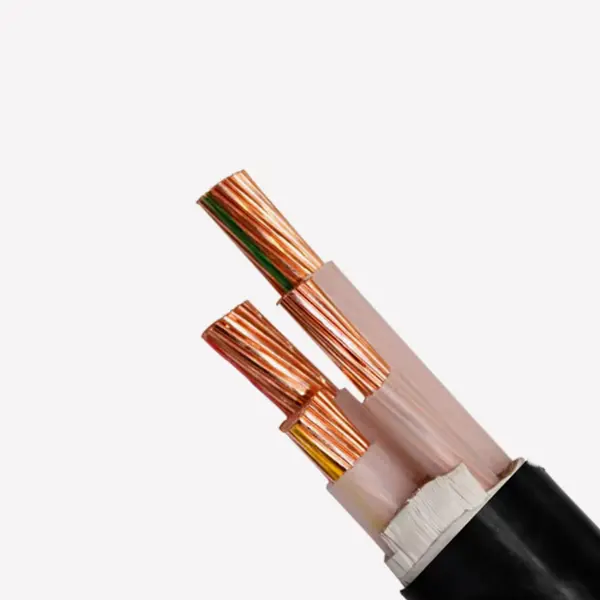
| Mineral Insulated Cables (MIC) | Made with copper conductors and a mineral insulation core. High fire resistance. | Industrial applications, power plants, nuclear facilities |
| Low Smoke Zero Halogen (LSZH) Cables | Non-toxic, low smoke emissions when exposed to fire. | Commercial buildings, hospitals, airports |
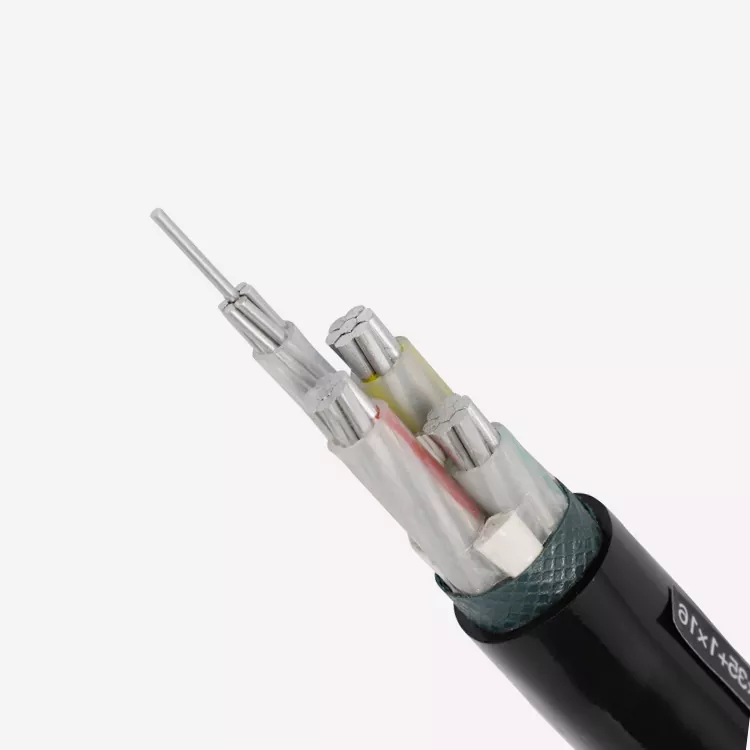
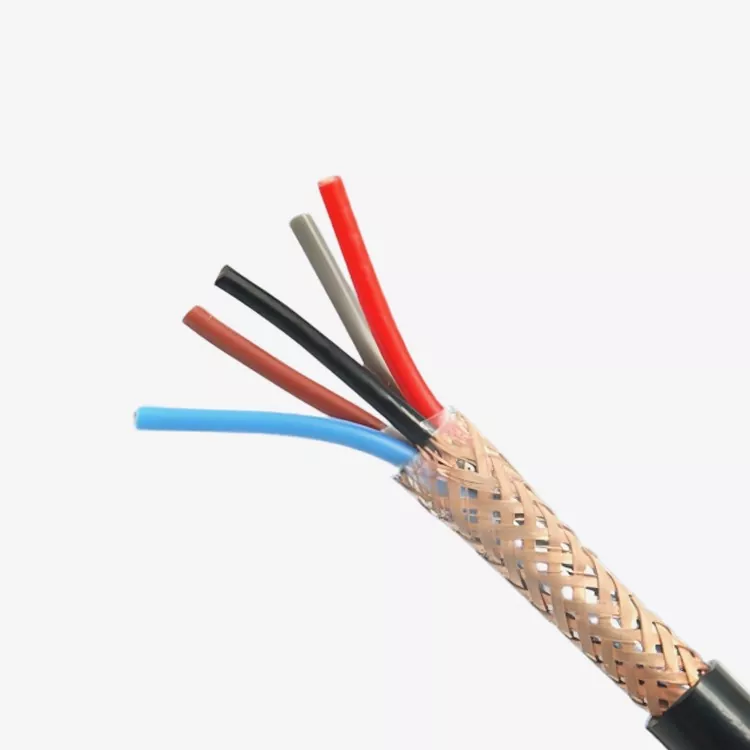
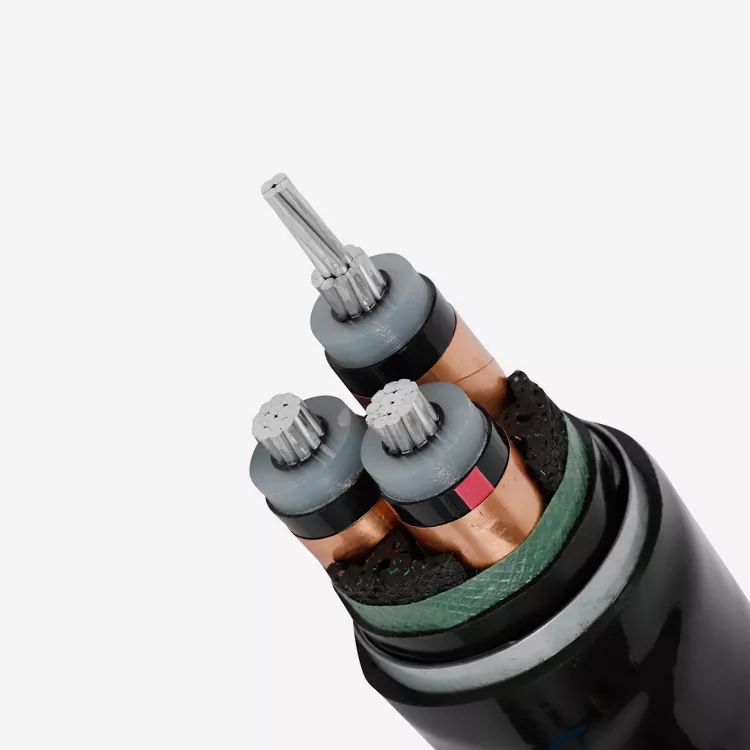
| Armored Fire Resistant Cables | Heavy-duty cables with metal armor for added protection against mechanical damage. | Heavy industry, mining, construction |
Applications of Fire Resistant Cables
Fire-resistant cables are used in a variety of industries and applications, including:
- Industrial Plants: Protects control and power circuits in high-risk environments.
- Residential Buildings: Ensures electrical systems remain functional during fires.
- Fire Alarm Systems: Keeps fire alarm systems operational even under extreme conditions.
- Medical Facilities: Ensures safety equipment remains active in hospitals and clinics.
Key Specifications to Consider
When choosing fire-resistant cables, it's important to consider several key specifications to ensure optimal performance:
| Specification | Description |
|---|---|
| Temperature Rating | Ensure the cable can withstand the required temperature range (typically 650°C or higher). |
| Insulation Material | Look for cables with high-performance insulation, such as mica or ceramic, to enhance fire resistance. |
| Certification | Check if the cable meets international standards such as IEC, UL, or BS for fire-resistant cables. |
Frequently Asked Questions
1. What is the difference between fire-resistant and fire-retardant cables?
Fire-resistant cables can continue to operate during a fire, while fire-retardant cables can resist the spread of fire but may stop functioning under fire conditions.
2. Are fire-resistant cables required by law?
In many countries, fire-resistant cables are mandated in certain high-risk environments such as industrial plants, hospitals, and large commercial buildings to meet safety regulations.
3. How do I choose the right fire-resistant cable?
Consider the application, temperature rating, insulation material, and relevant certifications when choosing a fire-resistant cable. It is also important to consult with a professional to ensure the cable meets your specific needs.
Contact Us
For more information about fire-resistant cables or to discuss your specific needs, feel free to contact us at Yilan. We are here to assist you in choosing the best fire-resistant cable solutions for your requirements.
Related News
- Why Are Power Cables Essential for Modern Electrical Systems
- Why Should You Choose Copper Core PVC Insulated Sheathed Flexible Control Cable for Your Electrical Projects
- What Is Twisted Flexible Cord and Why Is It Essential in Modern Wiring Solutions
- Why Should You Choose XLPE Insulated STA PVC Sheathed Power Cables for Your Electrical Projects
- What Is a Control Cable and How Does It Work in Various Industries
- Why is Flame Retardant STA PVC Insulated Sheathed Power Cable a Must-Have for Modern Electrical Applications
Leave me a message