
Why Are Power Cables Essential for Modern Electrical Systems
Article Summary: Power cables are the backbone of electrical systems, delivering energy safely and efficiently from sources to devices. This article explores types of power cables, applications, standards, installation practices, and maintenance tips, with insights from Yilan, a leading manufacturer in the field.
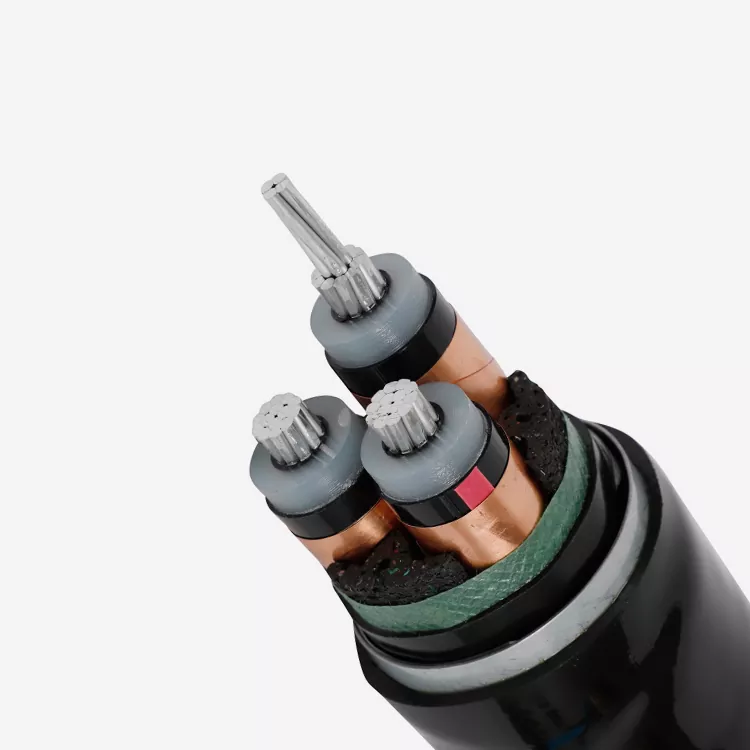
Table of Contents
- Types of Power Cables
- Power Cable Applications
- Standards and Regulations
- Installation Tips
- Maintenance and Safety
- Frequently Asked Questions
Types of Power Cables
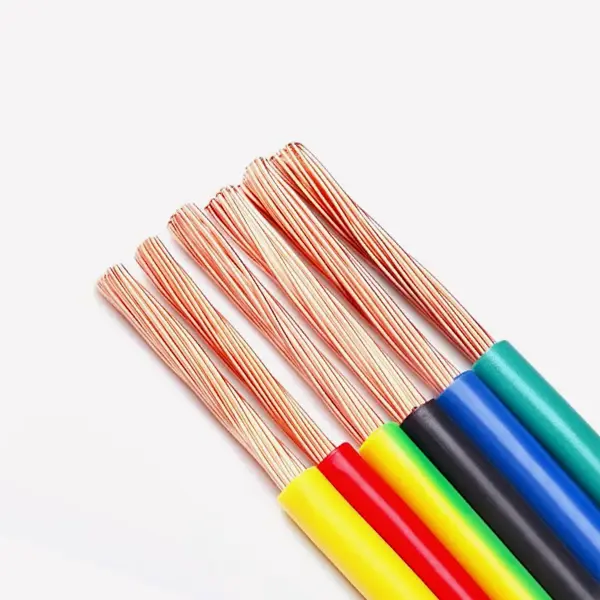
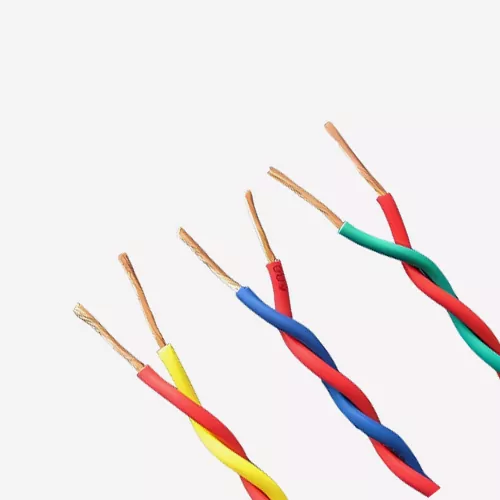
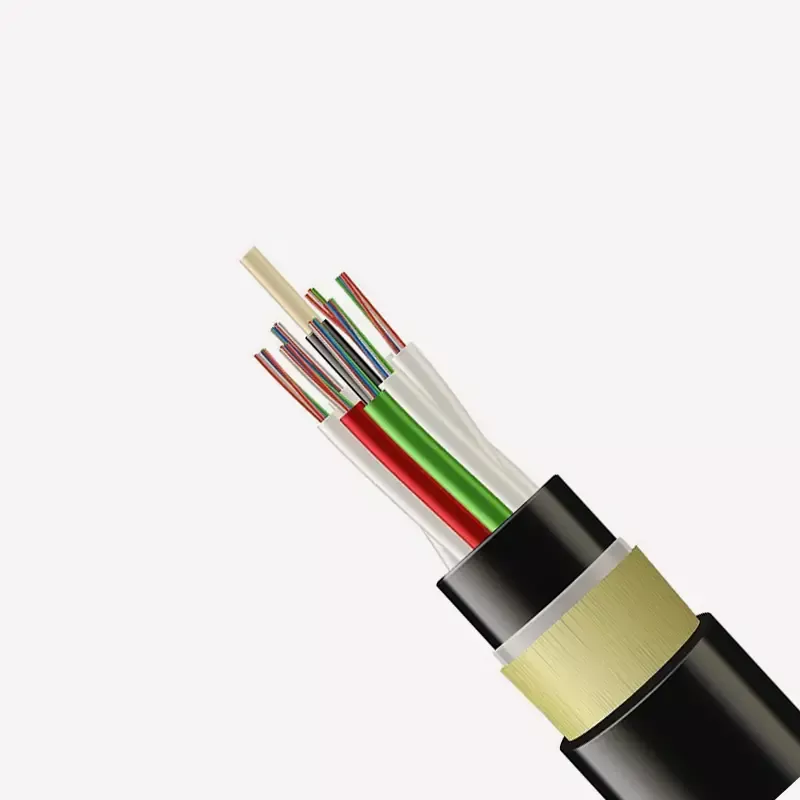
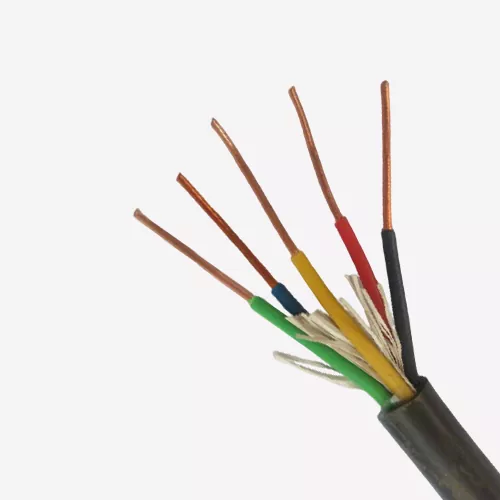
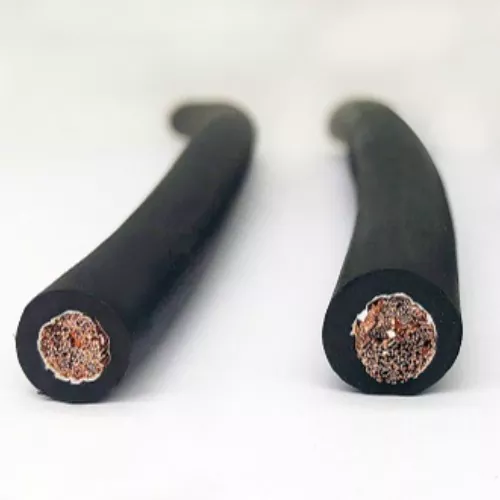
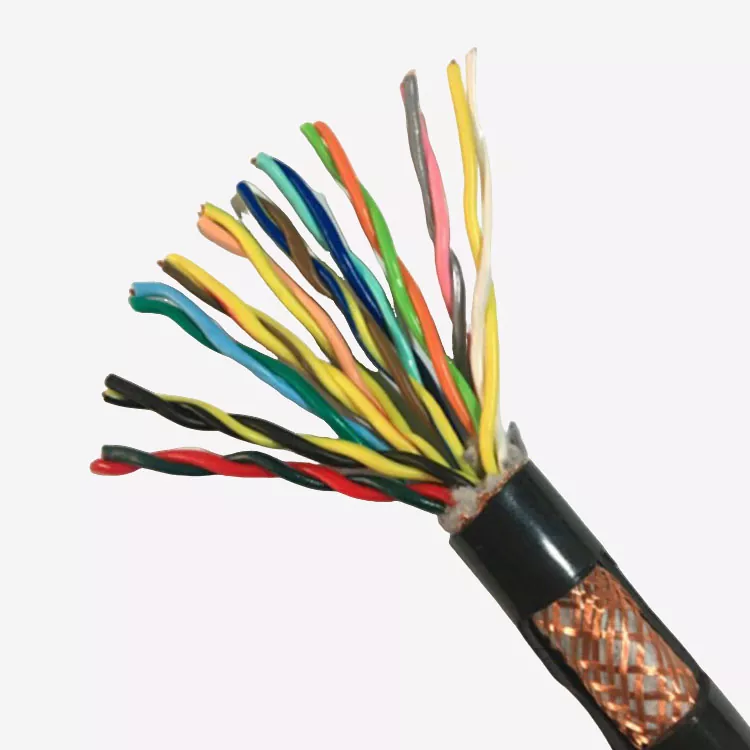
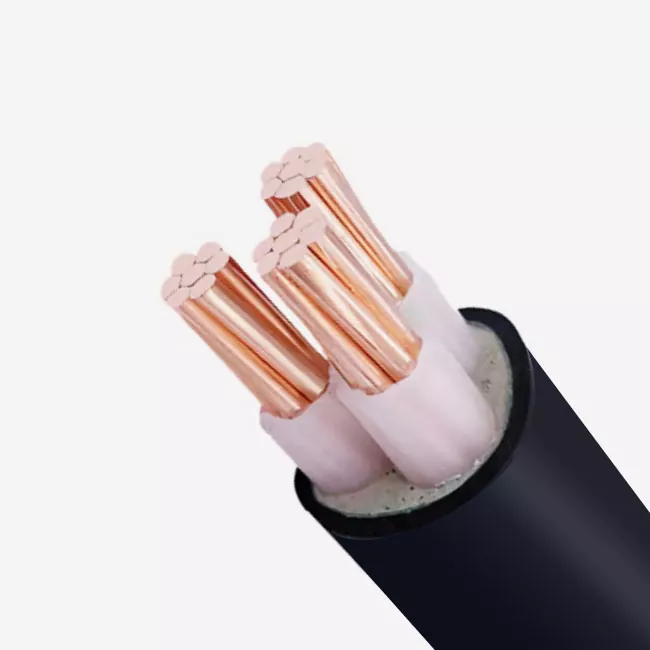
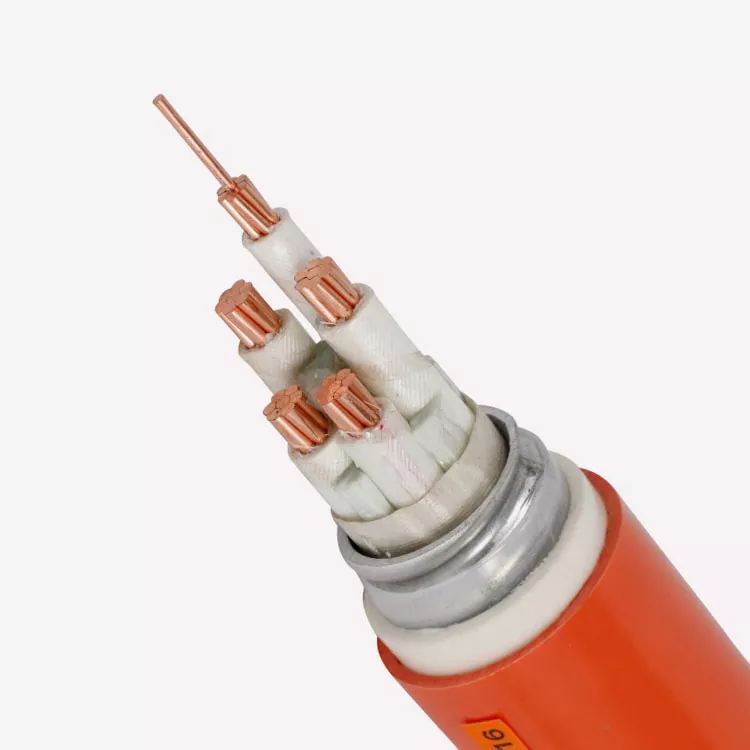
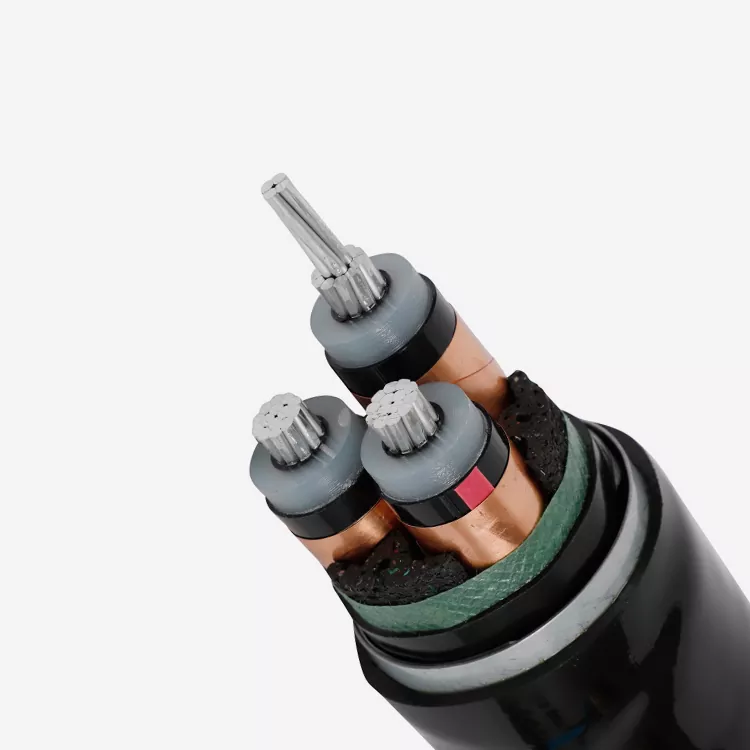
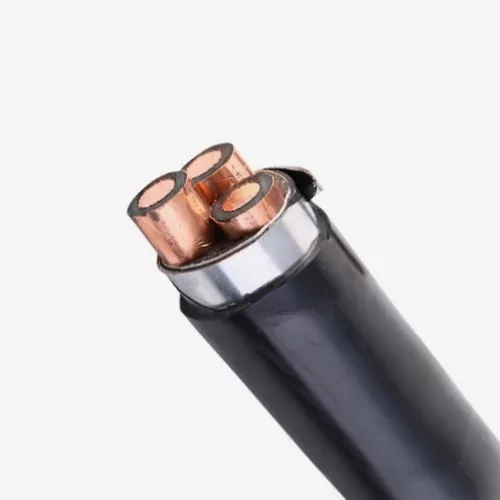
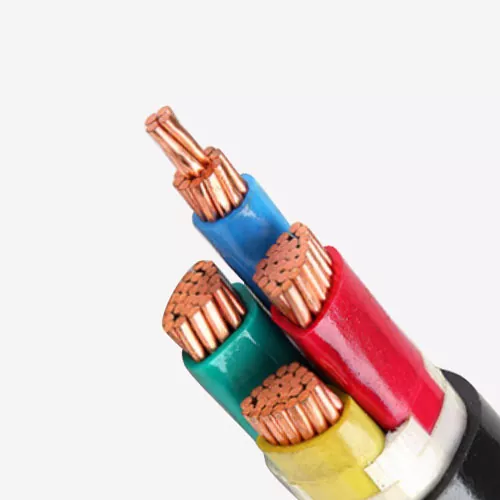
Power cables come in various types, each suited for specific electrical loads, environments, and installation methods. Choosing the correct cable ensures safety, efficiency, and longevity.
| Type | Description | Typical Use |
|---|---|---|
| Low Voltage (LV) Cable | Handles voltages below 1kV, flexible, often insulated with PVC or XLPE | Residential wiring, lighting circuits |
| Medium Voltage (MV) Cable | Designed for voltages from 1kV to 35kV, commonly insulated with XLPE | Industrial plants, commercial buildings, power distribution |
| High Voltage (HV) Cable | Used for voltages above 35kV, requires advanced insulation and shielding | Transmission lines, substations |
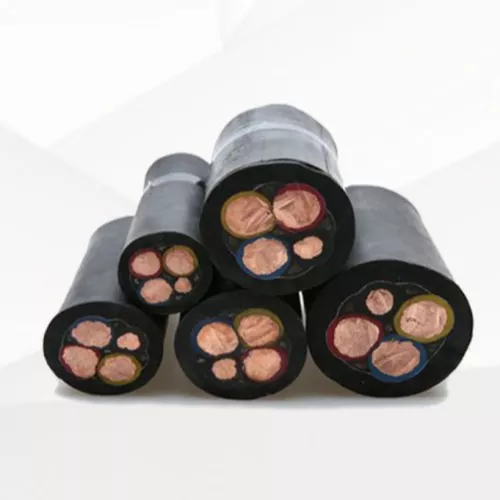
| Flexible Power Cable | Highly flexible conductors for movement applications | Robotics, mobile machinery, industrial automation |
At Yilan, all power cables are manufactured to meet rigorous quality standards and provide reliable performance in diverse environments.
Power Cable Applications
Power cables are used across industries for transmitting electricity safely and efficiently. Key applications include:
- Residential Wiring: Supplying electricity to homes and apartments.
- Commercial Buildings: Powering offices, shopping centers, and hospitals.
- Industrial Plants: High-load machinery, automated systems, and heavy equipment.
- Renewable Energy: Solar farms, wind turbines, and energy storage systems.
- Transport and Infrastructure: Railways, airports, and tunnels.
By selecting appropriate cables from Yilan, engineers can optimize safety, reduce energy loss, and ensure compliance with regulations.
Standards and Regulations
Compliance with national and international standards is critical for power cable performance and safety. Common standards include:
- IEC 60502: Power cables with extruded insulation for rated voltages from 1kV to 30kV.
- IEEE 383: Fire safety and flame retardancy requirements for electric cables.
- UL 44: Standard for thermoset-insulated wires and cables.
Manufacturers like Yilan ensure all products are tested to meet or exceed these standards, providing peace of mind for both installers and end-users.
Installation Tips
Proper installation of power cables is essential to maximize lifespan and prevent hazards:
- Plan the cable route carefully, avoiding sharp bends and physical obstructions.
- Maintain correct spacing between power and data cables to reduce interference.
- Use appropriate supports and trays to prevent sagging.
- Ensure grounding and bonding are installed according to standards.
- Label cables clearly to simplify future maintenance and troubleshooting.
Professional installation practices are recommended. Yilan provides installation guides and technical support for all their power cable products.
Maintenance and Safety
Regular maintenance extends cable life and ensures safety:
- Inspect insulation for cracks, cuts, or discoloration.
- Check for overheating at joints and connections.
- Test for continuity and resistance periodically.
- Replace aged or damaged cables immediately.
Following proper safety protocols and using high-quality cables from Yilan reduces risks of electrical fires and system failures.
Frequently Asked Questions
What is a power cable?
A power cable is an insulated conductor used to transmit electrical energy from a source to devices or systems safely and efficiently.
How do I choose the right power cable?
Consider voltage rating, current capacity, installation environment, flexibility, and compliance with local regulations. Yilan provides detailed datasheets to guide selection.
What are the differences between LV, MV, and HV cables?
LV cables operate below 1kV for residential/commercial use, MV cables cover 1kV–35kV for industrial/commercial applications, and HV cables are used above 35kV for transmission lines.
Can power cables be used outdoors?
Yes, but they must be rated for UV exposure, moisture, and temperature extremes. Yilan offers outdoor-grade cables with robust insulation for harsh conditions.
How often should power cables be inspected?
Routine inspection should be done annually, or more frequently in high-load or critical applications.
Conclusion: Selecting the right power cable is critical for safety, efficiency, and durability in any electrical system. Trusting high-quality products from Yilan ensures compliance with international standards, reliable performance, and peace of mind. For professional advice or to place an order, contact us today and secure your electrical infrastructure with premium power cables.
Related News
- Why Should You Choose Copper Core PVC Insulated Sheathed Flexible Control Cable for Your Electrical Projects
- What Is Twisted Flexible Cord and Why Is It Essential in Modern Wiring Solutions
- Why Should You Choose XLPE Insulated STA PVC Sheathed Power Cables for Your Electrical Projects
- What Is a Control Cable and How Does It Work in Various Industries
- Why is Flame Retardant STA PVC Insulated Sheathed Power Cable a Must-Have for Modern Electrical Applications
- Fire Resistant PVC Insulated Sheathed Power Cable: Everything You Need to Know
Leave me a message