
How to Reduce Wear and Tear on Rubber Sheathed Cables in Construction Sites?
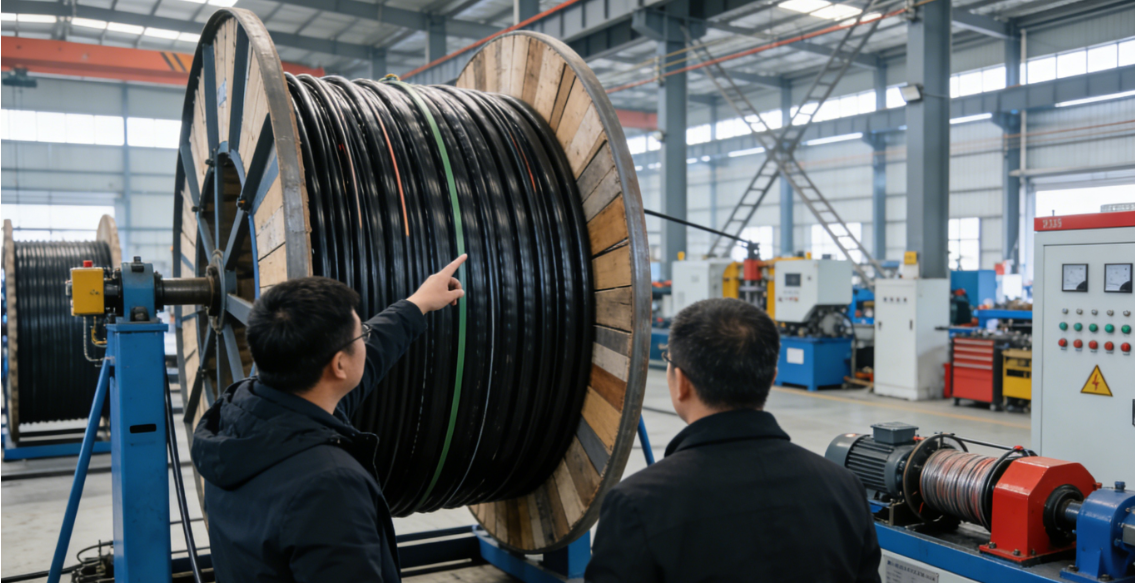
Construction sites are among the harshest environments for power transmission systems. Constant movement of equipment, heavy vehicle traffic, sharp edges, moisture, dust, and temperature changes all contribute to accelerated cable degradation. From an engineering perspective, reducing wear and tear is not only about choosing the right rubber sheathed cable but also about managing how it is handled, installed, and maintained on site. In our factory, long-term field feedback shows that when contractors understand the mechanical and environmental stresses involved, cable service life can be significantly extended without increasing overall project costs.
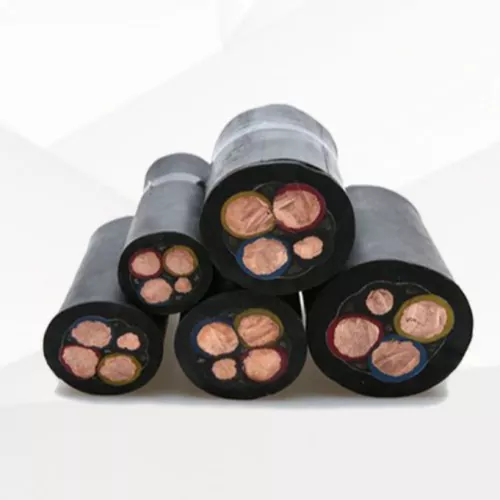
How Does Construction Site Environment Accelerate Cable Wear?
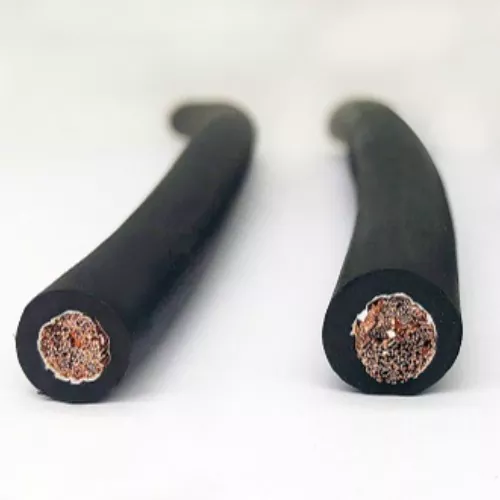
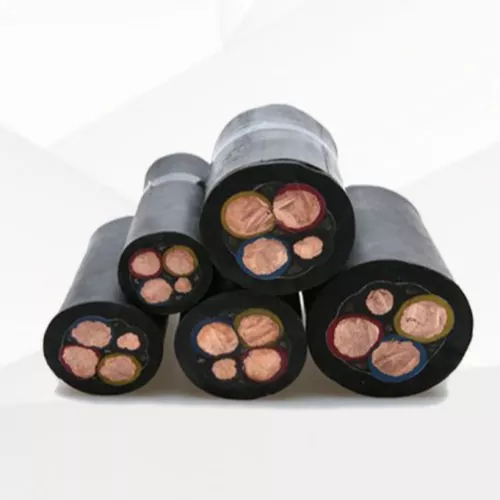
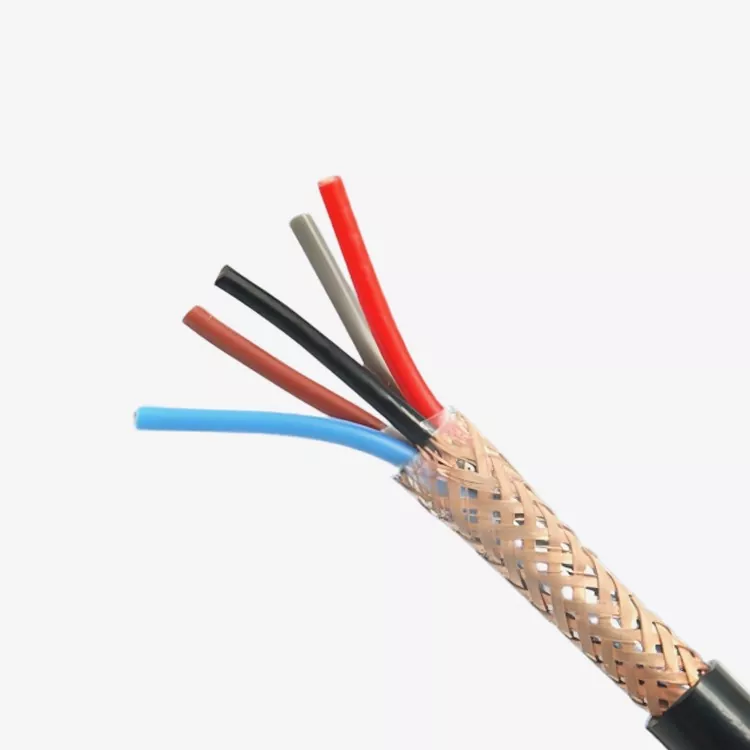
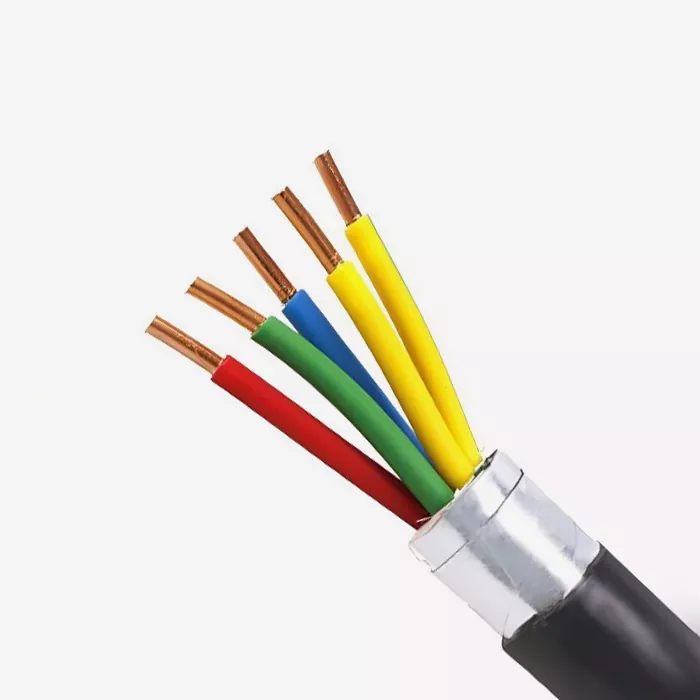
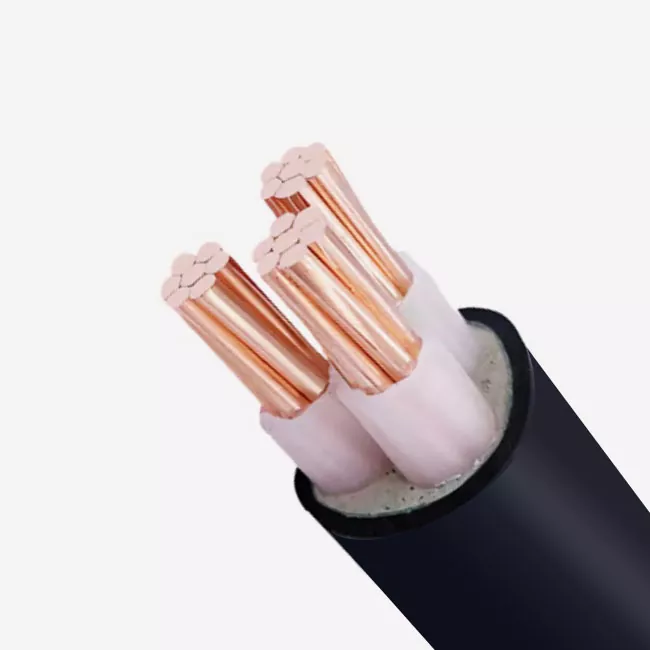
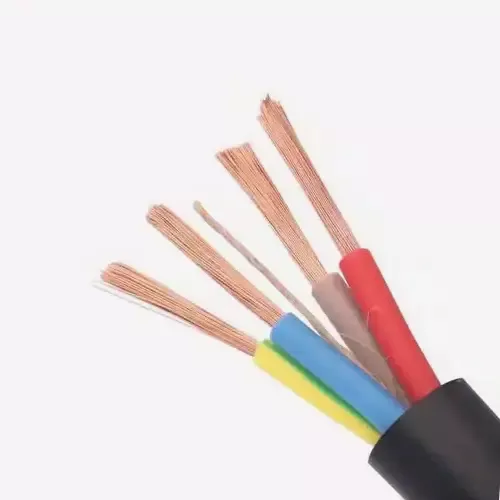
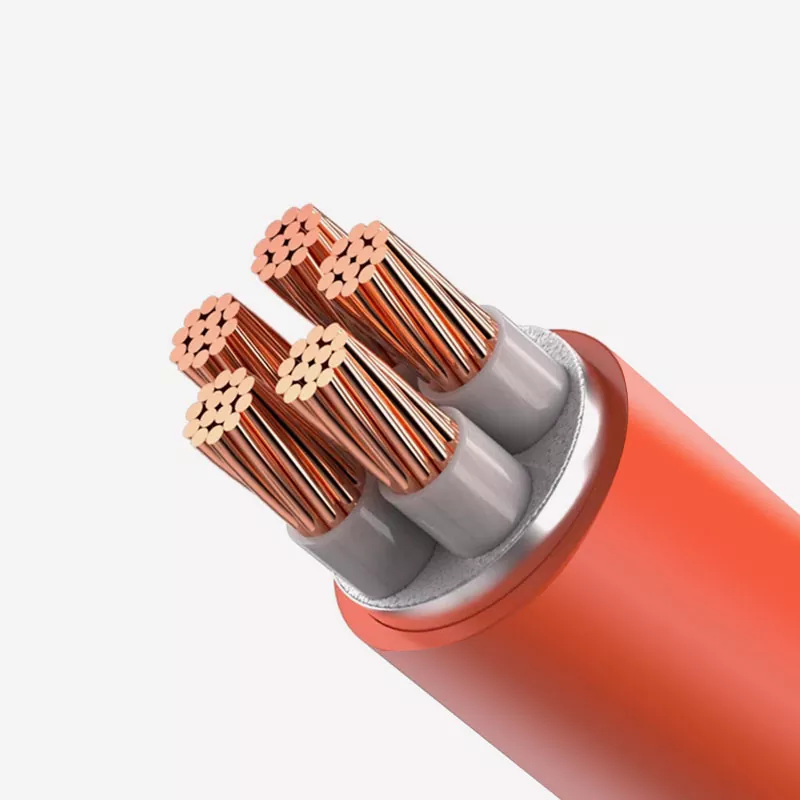
Construction sites expose cables to repeated bending, abrasion, compression, and impact. Forklifts, cranes, scaffolding, and temporary structures often rest directly on cable runs. Dust mixed with moisture forms abrasive compounds that grind against outer jackets. In these conditions, Rubber Sheathed Cable is often selected because of its flexibility and resistance, but performance still depends heavily on proper usage. Our engineers regularly analyze failure cases and find that most damage originates from surface abrasion rather than electrical overload.
Qingdao Yilan Cable Co. , Ltd. designs cable jackets with enhanced abrasion resistance to handle jobsite stress. In our factory, compound formulation focuses on elasticity retention under repeated bending, which helps prevent micro cracks that later expand into jacket failure. Understanding the environment is the first step in reducing unnecessary damage.
How Can Proper Cable Selection Reduce Mechanical Damage?
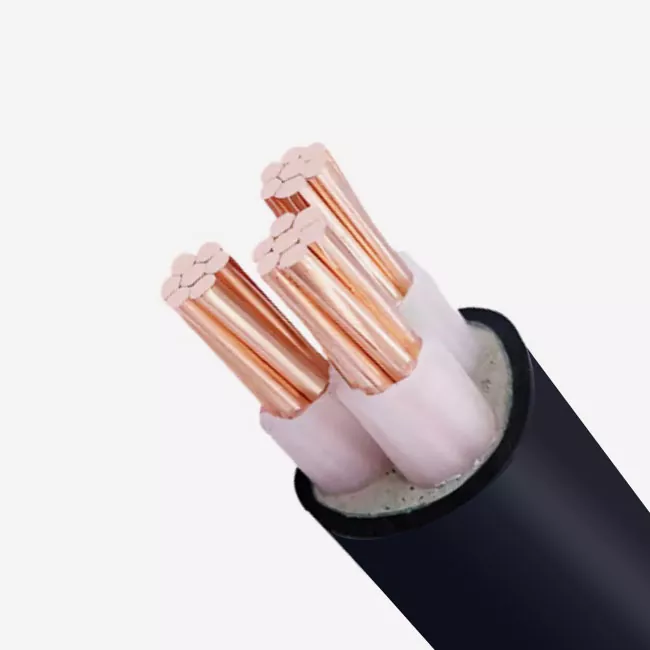
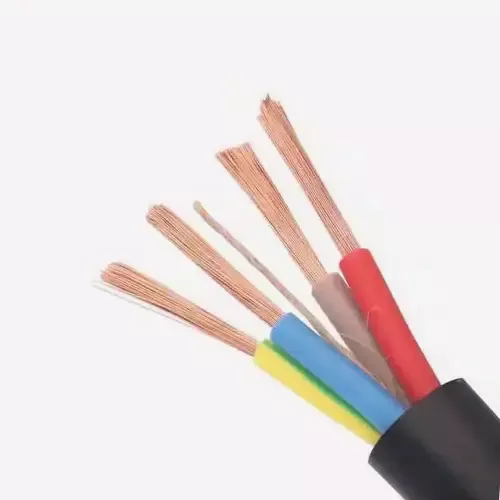
Selecting a cable designed for construction duty is critical. Not all flexible cables are intended for continuous movement or exposure to rough surfaces. A properly specified rubber-sheathed cable offers thicker insulation, reinforced jackets, and stable conductor stranding that tolerates repeated flexing. Our technical team works closely with site managers to match cable specifications to actual working conditions instead of relying on generic ratings.
The following table summarizes key technical parameters commonly evaluated for jobsite power cables and how they influence durability.
| Parameter | Typical Range | Impact on Wear Resistance | Application Relevance |
| Outer jacket thickness | 1.8 to 2.5 mm | Higher thickness improves abrasion tolerance | Heavy traffic construction zones |
| Conductor stranding | Fine stranded copper | Improves flexibility and reduces internal breakage | Portable tools and mobile equipment |
| Insulation material | Rubber compound | Resists cracking under bending stress | Temporary power distribution |
How Does Installation Method Affect Cable Longevity?
Improper installation remains one of the leading causes of early cable failure on construction sites. Sharp bends at distribution boxes, excessive pulling force, and unsecured routing all increase stress on the outer sheath. In our factory experience, many damaged cables show clear signs of overstretching during installation rather than normal operation. A Rubber Sheathed Cable should be laid with sufficient slack to accommodate movement and thermal expansion.
Qingdao Yilan Cable Co., Ltd. advises installers to use protective rollers or cable mats when routing power lines across high traffic areas. Our field evaluations show that simple measures such as avoiding sharp edges and elevating cables above ground where possible can dramatically reduce surface abrasion. Installation quality directly affects service life.
How Can Cable Management Practices Minimize Abrasion?
Daily cable handling plays a major role in wear reduction. Repeated dragging across concrete or steel structures gradually erodes the outer sheath. In our factory testing, abrasion resistance improves significantly when cables are guided rather than dragged. Rubber Sheathed Cable performs best when supported by trays, hooks, or temporary hangers that keep it off the ground.
Organized cable routing also prevents entanglement with moving machinery. Clear separation between power cables and heavy equipment paths reduces accidental crushing. Our technical guidance often emphasizes discipline in cable storage and routing as much as product quality itself.
How Do Environmental Factors Influence Jacket Degradation?
Temperature fluctuations, moisture, oils, and chemicals accelerate aging of cable jackets. Construction sites frequently expose cables to concrete slurry, fuels, and cleaning agents. Although Rubber Sheathed Cable is designed to withstand moderate chemical exposure, prolonged contact can still weaken the jacket surface. Our engineers recommend regular inspection in wet or chemically active zones.
The table below outlines common environmental exposures and recommended protective measures used in construction projects.
| Exposure Type | Risk to Cable Jacket | Recommended Measure | Operational Benefit |
| Standing water | Softening of outer sheath | Elevated routing or drainage | Reduces moisture absorption |
| Oil and fuel | Surface degradation | Protective sleeves | Extends jacket integrity |
| Extreme temperatures | Loss of elasticity | Temperature rated cable selection | Maintains flexibility |
How to Reduce Wear and Tear on Rubber Sheathed Cables in Construction Sites? FAQ
Q1: How does bending radius affect cable wear on construction sites?
Exceeding the recommended bending radius places excessive stress on both the conductor and the outer sheath. Over time, this leads to cracking and internal strand damage. Maintaining proper bend limits preserves flexibility and reduces fatigue.
Q2: Why is surface abrasion the most common cause of jacket failure?
Surface abrasion occurs continuously as cables move or are repositioned. Rough concrete, steel edges, and debris gradually remove jacket material. Managing routing paths and avoiding dragging significantly slows this process.
Q3: Can protective accessories really extend cable service life?
Yes, accessories such as cable ramps, sleeves, and hangers reduce direct contact with abrasive surfaces. These simple additions often double usable lifespan in high traffic areas.
Conclusion
Reducing wear and tear on construction site power cables requires a combination of proper selection, correct installation, disciplined management, and regular inspection. When these factors are addressed together, rubber-sheathed cable delivers reliable performance even in demanding environments. Our factory continues to refine material formulations and structural design based on real jobsite feedback. If you are planning a construction project or upgrading temporary power systems, contact our technical team today to receive professional guidance and durable cable solutions tailored to your site conditions.
Related News
- Why Are Power Cables Essential for Modern Electrical Systems
- Why Should You Choose Copper Core PVC Insulated Sheathed Flexible Control Cable for Your Electrical Projects
- What Is Twisted Flexible Cord and Why Is It Essential in Modern Wiring Solutions
- Why Should You Choose XLPE Insulated STA PVC Sheathed Power Cables for Your Electrical Projects
- What Is a Control Cable and How Does It Work in Various Industries
- Why is Flame Retardant STA PVC Insulated Sheathed Power Cable a Must-Have for Modern Electrical Applications
Leave me a message