
How to Choose the Right Rubber Sheathed Cable for Industrial Applications?
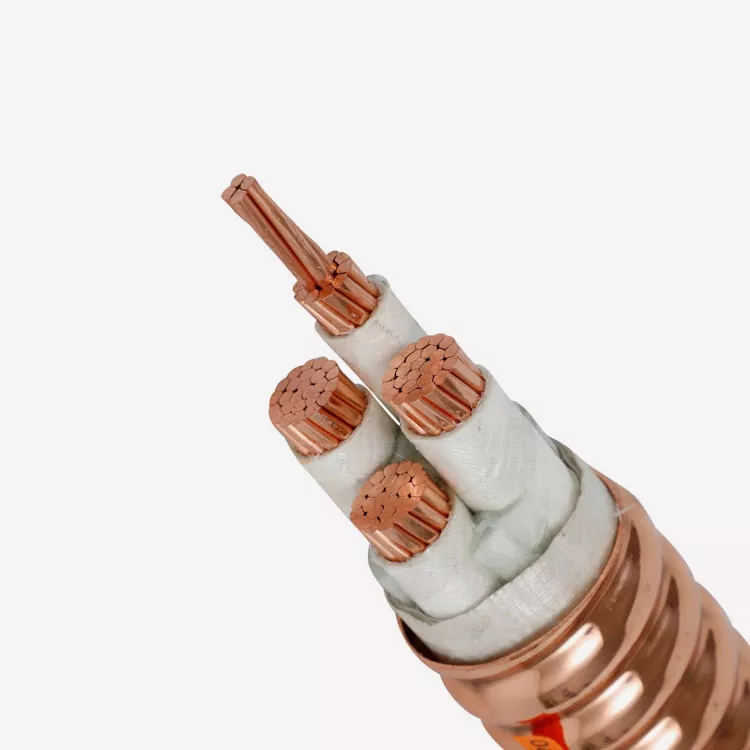
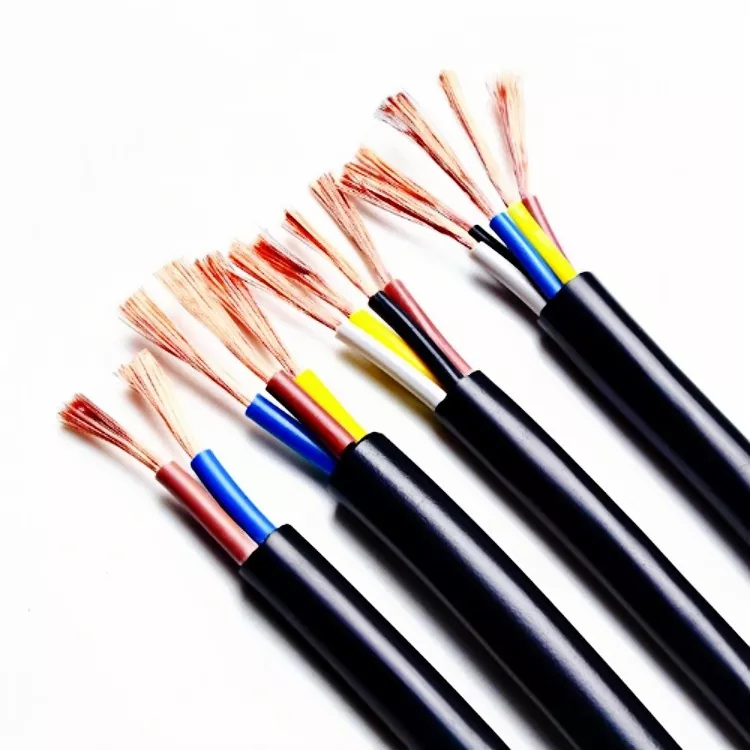
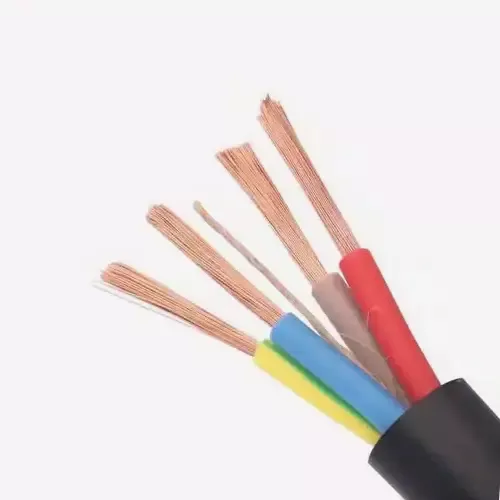
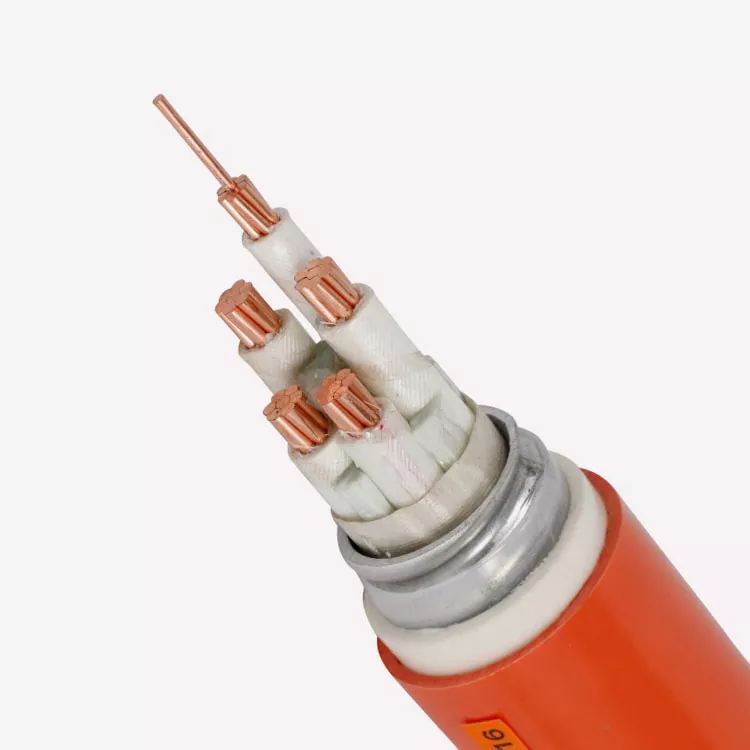
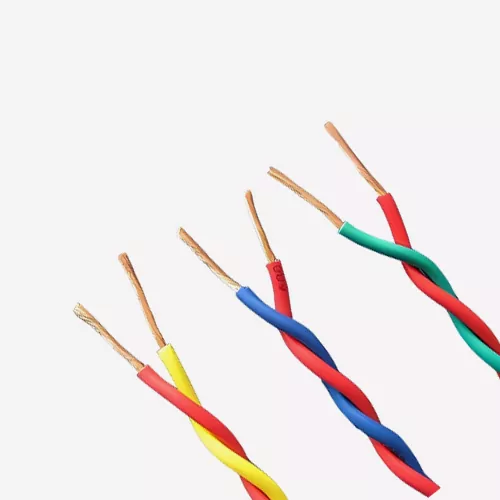
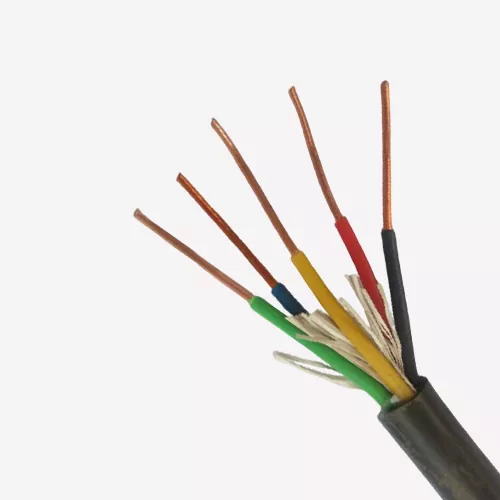
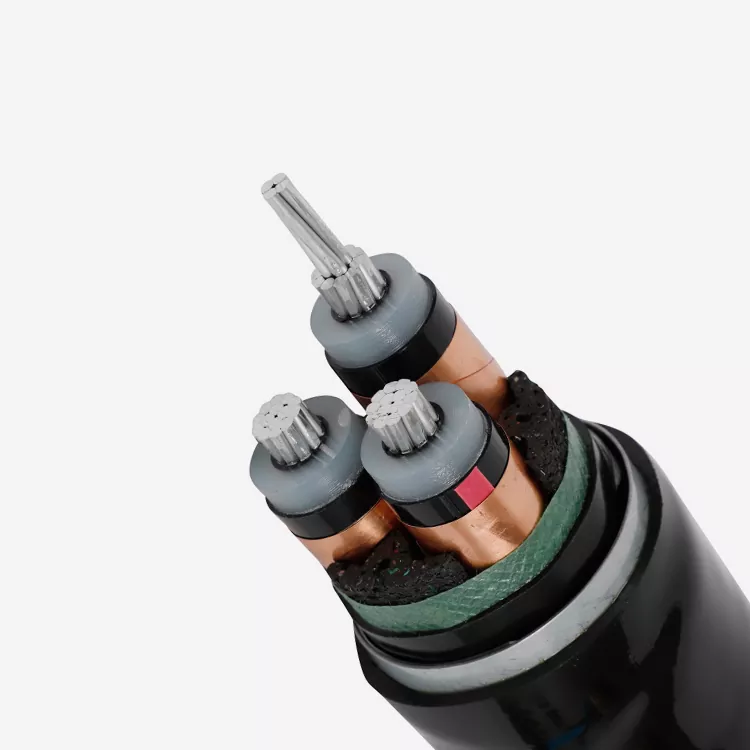
Choosing the right Rubber Sheathed Cable is a critical decision for industrial operators. The right cable ensures reliable power transmission, safety, and durability under harsh environments. At our factory, we often guide clients through the process of evaluating voltage ratings, conductor materials, insulation types, and environmental resistances. Qingdao Yilan Cable Co., Ltd. emphasizes producing cables that withstand demanding industrial conditions while maintaining consistent electrical performance. Our team also works closely with customers to match cable specifications with specific equipment and site requirements.
What Materials Should I Consider When Selecting Rubber Sheathed Cable?
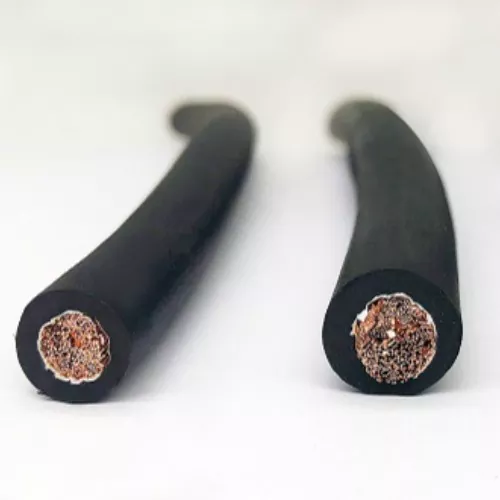
The material composition of a Rubber Sheathed Cable directly affects its mechanical strength, flexibility, and resistance to heat and chemicals. Most industrial cables are made with copper or aluminum conductors, combined with rubber-based insulation and sheathing. Our engineers at Qingdao Yilan Cable Co., Ltd. often evaluate the suitability of these materials based on operational temperature ranges, chemical exposure, and mechanical stress. We also consider the cable’s flexibility, especially for installations requiring frequent bending or vibration resistance. Using the correct combination of conductor and sheathing material improves longevity and minimizes maintenance needs.
What Voltage and Current Ratings Are Important for Industrial Applications?
Selecting the appropriate voltage and current rating ensures both operational safety and efficiency. Our factory provides Rubber Sheathed Cable in multiple voltage classes ranging from low voltage industrial systems to medium voltage applications. When our clients purchase our cables, we review the power requirements of their machines and calculate the proper conductor size to avoid overheating and energy loss. Ensuring the right ratings reduces downtime, prevents insulation damage, and maintains system reliability. Water, oil, and chemical resistance are also taken into account for cables exposed to harsh industrial fluids.
The table below shows common voltage ratings and conductor sizes suitable for typical industrial environments.
| Voltage Rating | Conductor Material | Conductor Size | Typical Application |
| 300/500V | Copper | 1.5–10 mm² | General machinery, control circuits |
| 450/750V | Copper | 2.5–16 mm² | Medium load industrial equipment |
| 600/1000V | Aluminum | 4–25 mm² | Power distribution and heavy machinery |
How Does Environmental Exposure Affect Cable Selection?
Environmental factors play a major role in determining the right Rubber Sheathed Cable. Exposure to sunlight, oil, chemicals, high humidity, or extreme temperatures can degrade the cable over time. Our engineers assess the specific site conditions before recommending a cable type. In our factory, we produce cables with specially formulated rubber sheathing that resists UV, ozone, and chemical attacks, ensuring long-term reliability. Customers often contact our team to verify whether their installation conditions require additional protective features or specialized compounds for the sheathing.
What Mechanical Properties Should Be Checked Before Choosing a Cable?
Mechanical properties, including tensile strength, abrasion resistance, and flexibility, are crucial for industrial cables. Our factory runs extensive tests on all Rubber Sheathed Cable products to measure bending radius, crush resistance, and elongation. Selecting a cable with the correct mechanical properties prevents damage during installation and reduces failure risk during operation. Qingdao Yilan Cable Co. , Ltd. ensures that each cable meets rigorous mechanical standards suitable for industrial handling and high-traffic environments.
How Do Cable Construction Types Influence Performance?
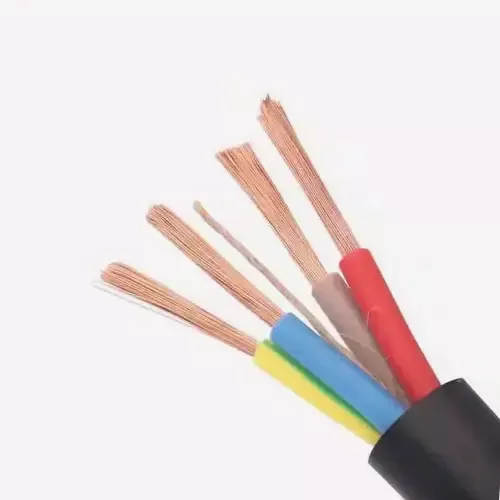
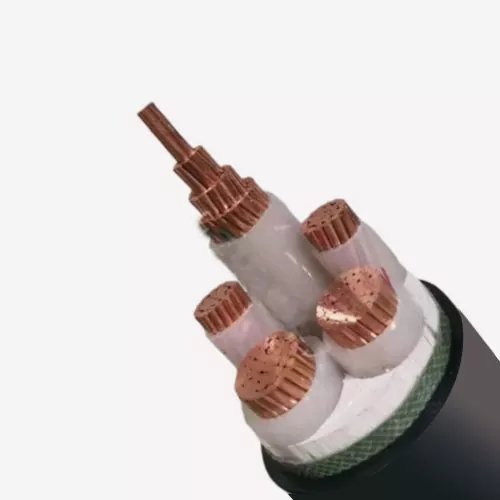
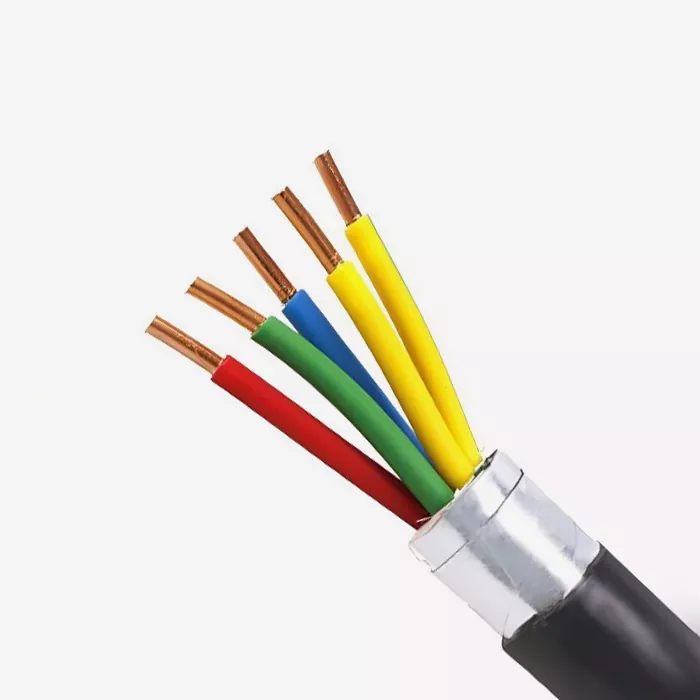
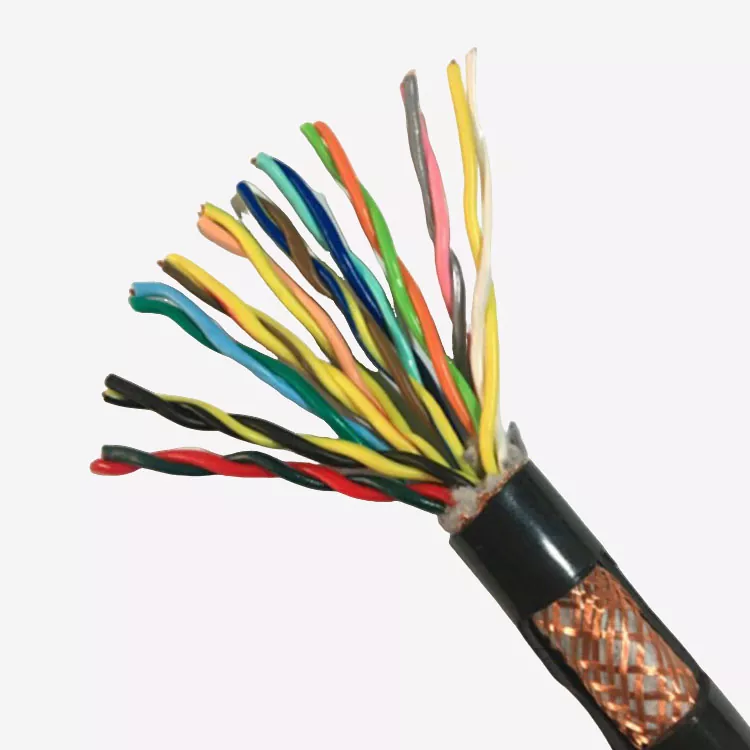
The internal construction of a Rubber Sheathed Cable, including conductor stranding and insulation layering, determines its electrical and mechanical behavior. Our engineers often recommend fine-stranded conductors for flexible applications and solid conductors for fixed installations. Multi-layer insulation may be necessary when operating near high temperatures or in chemically aggressive environments. When our customers select Water Filtration Consumables, they can use the same approach for evaluating internal layering and mechanical reinforcement to optimize performance. Correct cable construction ensures stability under load, minimal signal loss, and consistent power delivery.
The table below summarizes common cable constructions and their suitability for industrial environments.
| Cable Type | Conductor Stranding | Insulation Layers | Best Use |
| Flexible Rubber Sheathed Cable | Fine-stranded | Single layer | Moving equipment, robotics, flexible connections |
| Fixed Installation Cable | Solid or medium-stranded | Double layer | Stationary machinery, control panels |
| High-Temperature Cable | Fine-stranded | Multi-layer insulation | Furnaces, heat-prone areas, chemical plants |
What Maintenance and Inspection Practices Ensure Cable Longevity?
Even the best Rubber Sheathed Cable requires proper installation, periodic inspection, and maintenance. Our team advises clients to check for abrasion, cracks, chemical staining, or insulation hardening. In our factory, we emphasize easy identification of cable types and proper labeling to assist field technicians. Regular maintenance prolongs operational life, reduces downtime, and maintains electrical safety. Customers frequently rely on our guidance to schedule inspections based on load cycles and environmental exposure.
FAQ: How to Choose the Right Rubber Sheathed Cable for Industrial Applications?
Q1: How do I determine the correct conductor size for my equipment?
Conductor size is based on the load current, voltage drop, and environmental conditions. Oversizing prevents overheating, while undersizing may cause excessive energy loss. Our engineers calculate the optimal size considering operational temperature, cable length, and insulation type.
Q2: What types of rubber sheathing provide the best chemical resistance?
Natural rubber, chloroprene, and ethylene-propylene compounds each have specific chemical resistance. Our factory selects the sheathing compound based on the exposure chemicals, temperature, and UV exposure, ensuring long-lasting protection for industrial operations.
Q3: Why is flexibility important for industrial cable selection?
Flexibility affects installation ease, vibration tolerance, and equipment movement compatibility. Fine-stranded conductors with suitable sheathing enhance flexibility without compromising safety. Our team assesses the expected movement and recommends the cable type that balances flexibility and durability.
Conclusion
Selecting the right Rubber Sheathed Cable requires consideration of materials, voltage ratings, mechanical strength, environmental conditions, and installation practices. At Qingdao Yilan Cable Co. , Ltd., our factory focuses on producing high-quality cables that meet stringent industrial standards. By consulting with our technical team, you can ensure your operations maintain efficiency, safety, and long-term reliability. Contact our specialists today to discuss your requirements and get professional recommendations tailored to your industrial applications.
Related News
- Why Are Power Cables Essential for Modern Electrical Systems
- Why Should You Choose Copper Core PVC Insulated Sheathed Flexible Control Cable for Your Electrical Projects
- What Is Twisted Flexible Cord and Why Is It Essential in Modern Wiring Solutions
- Why Should You Choose XLPE Insulated STA PVC Sheathed Power Cables for Your Electrical Projects
- What Is a Control Cable and How Does It Work in Various Industries
- Why is Flame Retardant STA PVC Insulated Sheathed Power Cable a Must-Have for Modern Electrical Applications
Leave me a message