
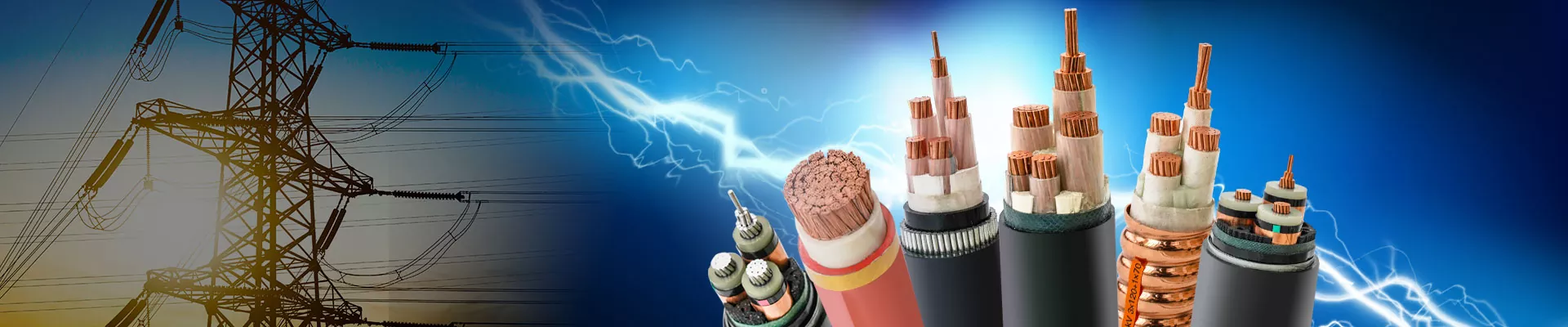
BVR wire
Understanding the BVR Wire: A Comprehensive Guide
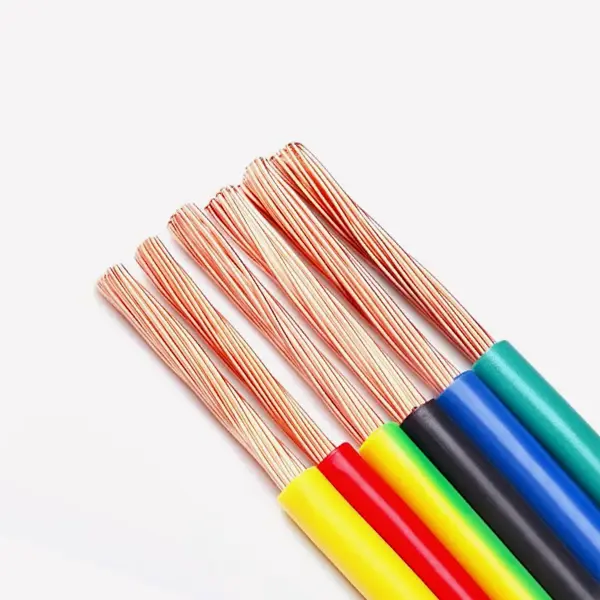
In the world of domestic and commercial electrical installations, selecting the right cable is paramount for safety, efficiency, and longevity. BVR wire stands as a fundamental component in this landscape. This guide delves into the specifics of BVR wire, offering a detailed look at its properties, applications, and technical specifications to help you make an informed decision.
What is BVR Wire?
BVR stands for "Bare Copper Conductor, PVC Insulated, Flexible Wire." It is a single-core, flexible electrical wire characterized by its numerous thin strands of copper. This stranding gives BVR its hallmark flexibility, making it significantly easier to route through conduits, bend around corners, and handle during installation compared to solid-core wires. The copper conductor is insulated with a durable layer of Polyvinyl Chloride (PVC), which provides protection against abrasion, moisture, and minor chemical exposures.
Key Features and Benefits
- High Flexibility: The stranded conductor allows for easy manipulation in tight spaces, reducing installation time and effort.
- Excellent Conductivity: Made from high-purity electrolytic copper, ensuring minimal electrical resistance and efficient current flow.
- Durable Insulation: PVC insulation offers robust protection, enhancing safety and cable lifespan.
- Heat Resistance: Standard PVC insulation typically withstands temperatures up to 70°C, suitable for most indoor environments.
- Wide Application Range: Ideal for fixed wiring in house wiring, control panels, lighting circuits, and other electrical appliances.
Detailed Product Specifications
BVR wires are manufactured in compliance with international standards (such as IS, BS, or IEC) and are available in various sizes, identified by their cross-sectional area in square millimeters (sq. mm). Below is a detailed table of common BVR wire specifications.
| Nominal Cross-Sectional Area (sq. mm) | Approx. Number of Strands / Diameter (mm) | Approx. Overall Diameter (mm) | Max. DC Resistance at 20°C (Ω/km) | Approx. Current Rating (A)* | Standard Packing (Meters/Coil) |
|---|---|---|---|---|---|
| 1.0 | 16 / 0.2 | 2.7 | 18.1 | 16 | 100, 200 |
| 1.5 | 24 / 0.2 | 3.0 | 12.1 | 20 | 100, 200 |
| 2.5 | 50 / 0.25 | 3.7 | 7.41 | 27 | 100 |
| 4.0 | 56 / 0.3 | 4.4 | 4.61 | 36 | 100 |
| 6.0 | 84 / 0.3 | 4.9 | 3.08 | 46 | 100 |
| 10.0 | 80 / 0.4 | 6.4 | 1.83 | 63 | 100 |
* Current rating is indicative and can vary based on installation method, ambient temperature, and grouping with other cables. Always consult local electrical codes and a qualified electrician.
Common Applications of BVR Wire
- House Wiring: Used extensively for internal wiring of switches, sockets, and lighting fixtures due to its flexibility.
- Control Panels: Perfect for control wiring in配电盘 and machinery where frequent bending or movement is required.
- Electrical Appliances: Serves as internal wiring for various stationary appliances and equipment.
- Extension Cords & Wiring Harnesses: Often used in the manufacture of custom extension boards and equipment harnesses.
How to Choose the Right BVR Wire
Selecting the correct BVR wire involves considering several factors:
- Current Load: Determine the maximum current the circuit will carry and choose a wire size with an appropriate current rating.
- Voltage Rating: Standard BVR wire is typically rated for 450/750V, suitable for most low-voltage domestic applications.
- Installation Environment: For damp locations, ensure the PVC insulation is of high quality. For higher temperatures, special heat-resistant PVC may be required.
- Standards & Certification: Always procure wires that meet or exceed national and international safety standards, marked clearly on the cable sheath.
Related Products
Hot Products
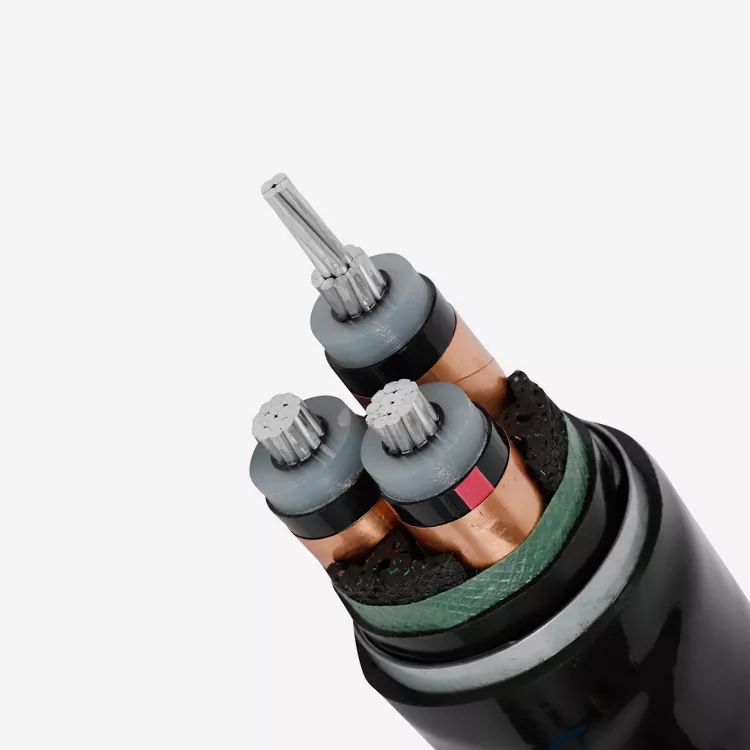
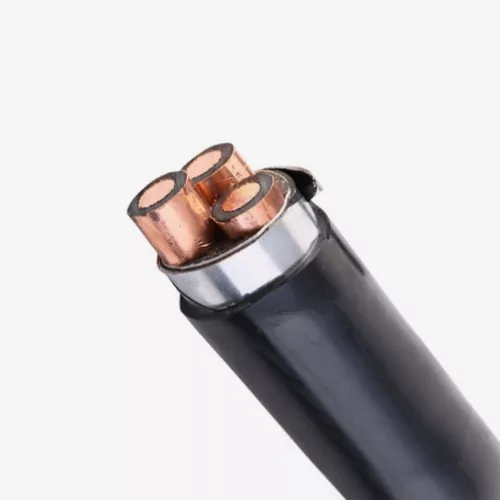
XLPE Insulated STA PVC Sheathed Aluminum Cable
Yila Cable, a manufacturer specializing in cable production in China would like to provide you durable YJLV22 XLPE Insulated STA PVC Sheathed Aluminum Cable, which has a built-in double steel tape armor layer to enable it to be directly buried and resist mechanical shock, pressure and rodent damage that may be encountered in complex and harsh environments.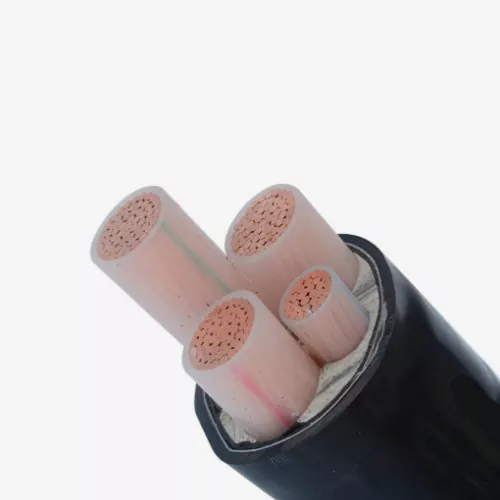
Fire Resistant PVC Insulated Sheathed STA Power Cable
If you are looking for a cost-effective cable for critical lifeline equipment such as fire pumps, emergency lighting, etc. that can continue to supply power for more than 90 minutes in a fire, then Yilan Cable, as a professional cable manufacturer in China, is the perfect choice for Fire Resistant PVC Insulated Sheathed STA Power Cable (NHVV22 Cable). It combines fire resistance, armor protection and cost advantages, especially suitable for fixed installation scenarios such as industrial direct burial, and is a support for building a strong emergency power transmission lifeline.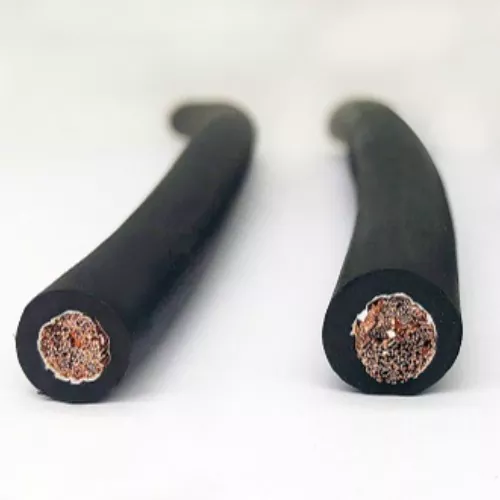
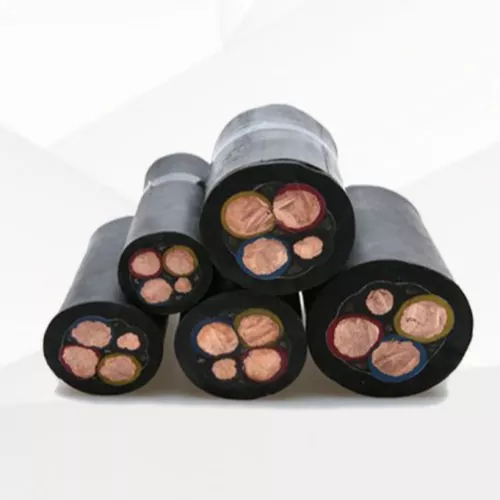
Welding Machine Cable
Yilan Cable factory's high quality Welding Machine Cable uses extra fine stranded oxygen-free copper conductors to ensure extreme softness when carrying hundreds of amperes of current, allowing welders to operate as smoothly as they want. The outer sheath adopts special neoprene outer sheath, which additionally provides good wear resistance, oil stain resistance and high temperature welding slag splashing resistance and prolongs the service life of the cable by several times. Please contact us for a quote.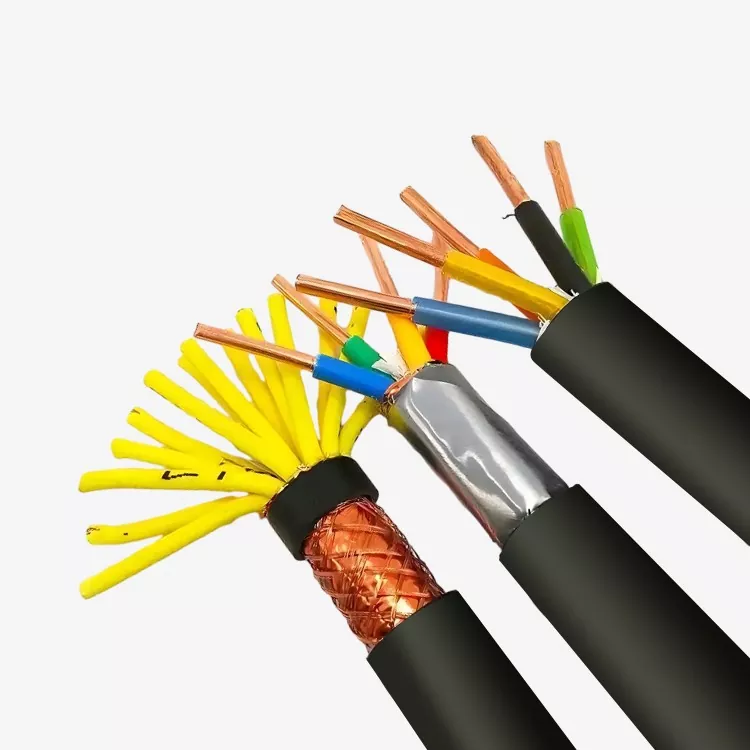
Sheathed Braided Shield PVC Insulated Control Cable Copper Core
Yilan Cable would like to provide you with high quality Sheathed Braided Shield PVC Insulated Control Cable Copper Core, whose unique tinned copper wire braided shield can effectively isolate external interference and ensure stable and accurate transmission of PLC commands, sensor data and instrument signals.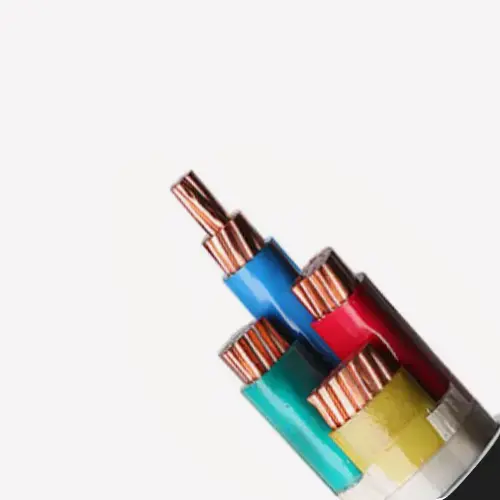
PVC Insulated Sheathed Power Cable
Yilan Cable factory's high quality VV PVC Insulated Sheathed Power Cable adopts copper or aluminum conductor and double PVC protection, rated voltage 0.6/1kV, excellent insulation, corrosion resistance and flame retardance, which is a universal power transmission backbone tested in thousands of projects.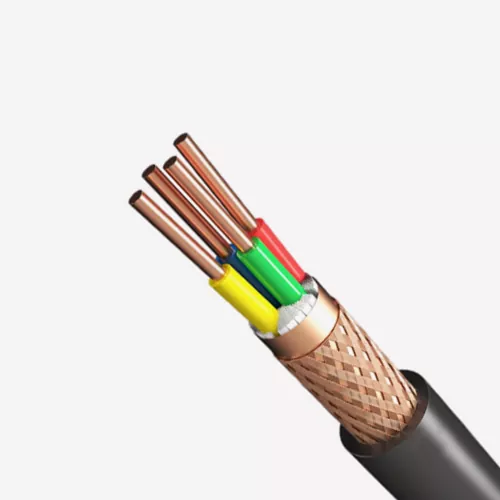
Copper Shielded PVC Insulated Sheathed Control Cable
Choose a true anti-interference product for your PLC, sensors and precision instruments. High quality Copper Shielded PVC Insulated Sheathed Control Cable manufactured by Yilan Cable factory is specially designed for complex electromagnetic environment. It not only provides excellent shielding efficiency, but also ensures durability under long-term harsh working conditions with excellent flexibility and oil resistance and wear resistance sheath.
- Related Blog
- Reviews


