
RVS Wire
What is RVS Wire?
RVS wire, also known as round, varnished, and served wire, is a specialized type of magnet wire primarily used in the construction of coils, transformers, motors, and other electromagnetic devices. The "served" layer, typically a textile or synthetic fiber wrapping applied over the enamel insulation, provides exceptional mechanical protection and enhances the wire's durability against abrasion, vibration, and handling during the winding process. This makes RVS wire an ideal choice for demanding applications where ruggedness and reliability are paramount.
Key Advantages of RVS Wire
- Enhanced Mechanical Strength: The served layer acts as a protective shield, significantly reducing the risk of insulation damage during winding, assembly, and operation.
- Superior Abrasion Resistance: Protects the underlying enamel coating from scratches and nicks, ensuring long-term electrical integrity.
- Improved Handling: The textured surface provides better grip for winding machines and operators, facilitating easier and more precise coil formation.
- Thermal Endurance: When combined with high-temperature enamel (e.g., Class 180 / H), it withstands challenging thermal environments.
- Dielectric Protection: Adds an extra layer of insulation, improving dielectric strength and resistance to electrical stresses.
Our RVS Wire Product Specifications
Our comprehensive range of RVS wires is manufactured to meet international standards, ensuring consistent quality and performance. Below are the detailed parameters of our standard product line.
Standard Construction & Materials
- Conductor: High-purity, annealed copper with excellent electrical conductivity.
- Primary Insulation: High-grade polyurethane (PU), polyester-imide (PEI), or polyamide-imide (PAI) enamel, available in various thermal classes (Class 130/B to Class 220/H).
- Served Layer: Uniformly applied textile yarn (cotton, polyester, or nylon) or synthetic fiber (e.g., Nomex®) serving.
Detailed Product Parameter Table
| Conductor Diameter (mm) | Bare Wire Diameter (AWG approx.) | Build-Up (Insulation + Serving) (mm) | Overall Diameter (Nominal) (mm) | Standard Thermal Class | Standard Serving Material | Typical Applications |
|---|---|---|---|---|---|---|
| 0.050 - 0.100 | 44 - 38 | 0.020 - 0.035 | 0.090 - 0.170 | 155 (F) / 180 (H) | Polyester Yarn | Small precision relays, sensors |
| 0.112 - 0.500 | 37 - 24 | 0.025 - 0.060 | 0.162 - 0.620 | 180 (H) | Cotton or Polyester Yarn | Transformers, solenoids, ignition coils |
| 0.530 - 1.000 | 23 - 18 | 0.040 - 0.080 | 0.610 - 1.160 | 180 (H) / 200 (N) | Heavy-Duty Cotton or Nylon | Large power transformers, motor field coils |
| 1.060 - 2.000 | 17 - 12 | 0.060 - 0.120 | 1.180 - 2.240 | 200 (N) | Glass Fiber or Synthetic Fiber | Heavy industrial motors, generators |
Optional Features & Customizations
We understand that standard products may not fit every unique requirement. We offer a variety of customizations:
- Special Thermal Classes: Wires rated for Class 220 (H) and above.
- Alternative Serving: Aramid paper (Nomex), glass fiber, or bonded servings for extreme environments.
- Impregnation Compatibility: Wires designed for optimal performance with specific varnishes or resins in vacuum pressure impregnation (VPI) processes.
- Color Coding: Available serving colors for circuit identification.
- Packaging: Supplied on spools, reels, or in bulk packages tailored to your production needs.
Applications of RVS Wire
RVS wire is the preferred solution in industries where equipment must operate reliably under physical stress. Common applications include:
- Power Transformers and Distribution Transformers: Used in winding layers requiring mechanical protection.
- Electric Motors and Generators: Ideal for field coils and armature windings exposed to vibration and centrifugal forces.
- Industrial Solenoids and Actuators: Provides durability for frequent mechanical cycling.
- Ignition Coils (Automotive & Aerospace): Withstands thermal cycling and engine vibration.
- Large Electromagnets and Chokes: Protects insulation in heavy-gauge windings.
Selecting the Right RVS Wire
Choosing the correct specification is crucial for performance and longevity. Key selection factors include:
- Operating Temperature: Match the wire's thermal class to the device's maximum operating temperature.
- Mechanical Stress: Consider the level of abrasion and vibration; heavier serving may be required for harsh conditions.
- Winding Process: Ensure the wire's flexibility and build-up are compatible with your winding machinery and technique.
- Environmental Factors: For exposure to moisture, chemicals, or oils, specify compatible enamel and serving materials.
- Electrical Requirements: Confirm the dielectric strength and conductor size meet the design voltage and current demands.
For specific technical data sheets, compliance certifications, or to discuss a custom wire solution, please contact our engineering support team with your application details.
Related Products
Hot Products
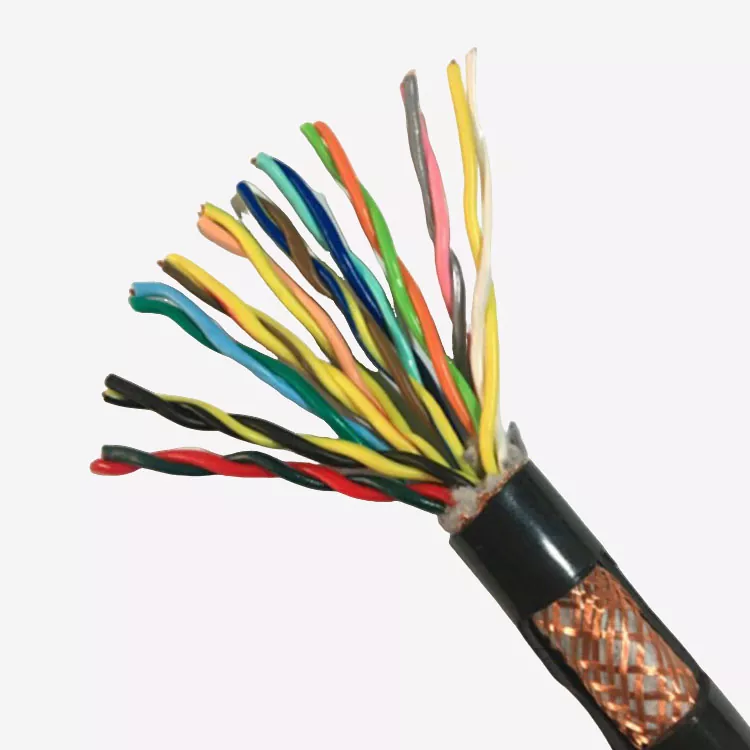
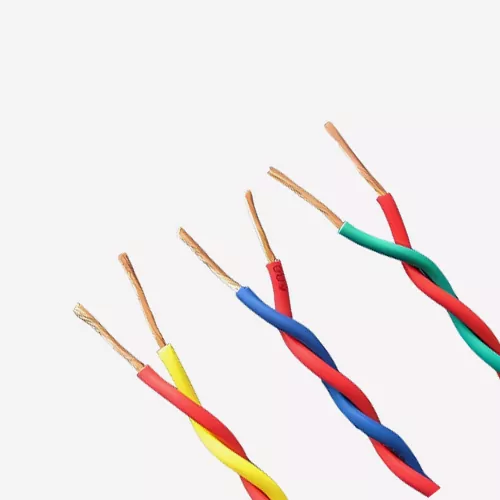
Copper Conductor PVC Insulated Twisted Pair Shielded Flexible Cable
When you need a cable that can accurately transmit signals and effectively resist electromagnetic interference in complex environments, as a leading manufacturer in China, Yilan Cable's Copper Conductor PVC Insulated Twisted Pair Shielded Flexible Cable, RVSP cable combines twisted pair structure with efficient shielding layer, specially designed for scenarios where electromagnetic interference exists and stable signal transmission is required. Its excellent anti-interference ability and flexibility ensure that your sensor data, control commands and audio and video signals are transmitted clearly and accurately.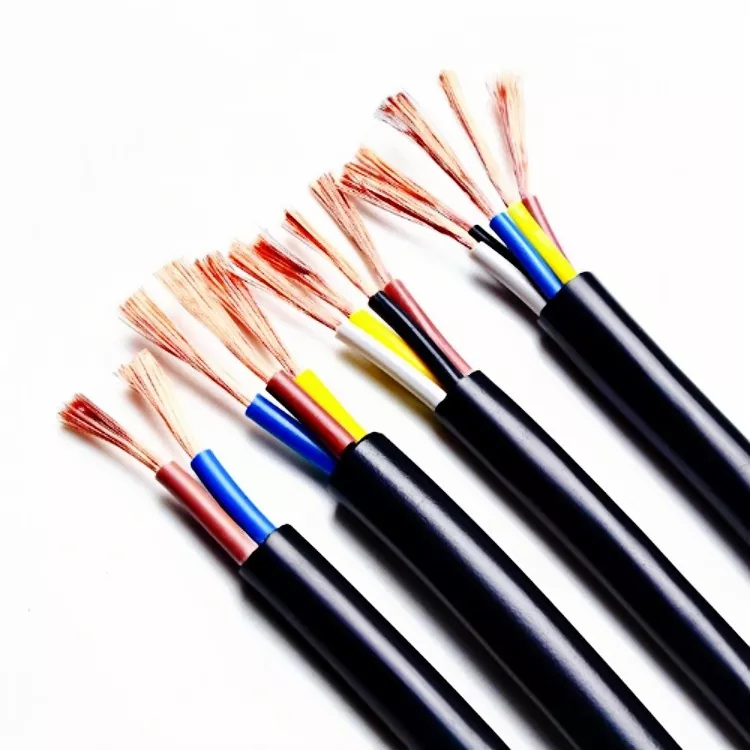
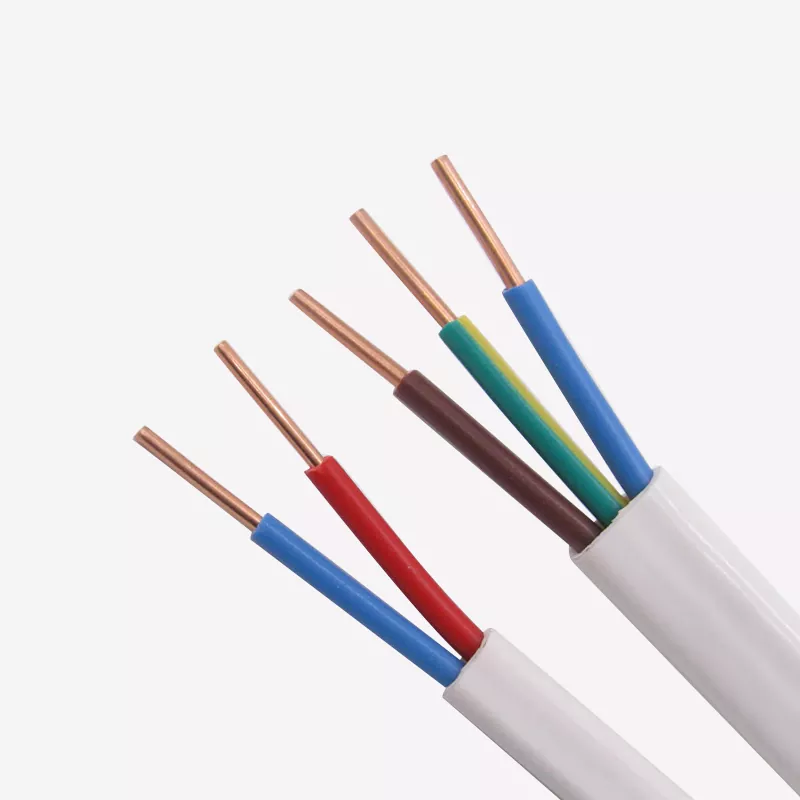
Copper Core PVC Sheathed Flexible Cable
Qingdao Yilan Cable Co., Ltd. durable Copper Core PVC Sheathed Flexible Cable is the preferred product in the field of household and industrial electrical connections due to its flexibility, safety and economy. The cable adopts the classic structure of multi-stranded copper wire conductor, PVC insulation layer and sheath layer, which ensures the electrical conductivity while giving consideration to durability and installation convenience.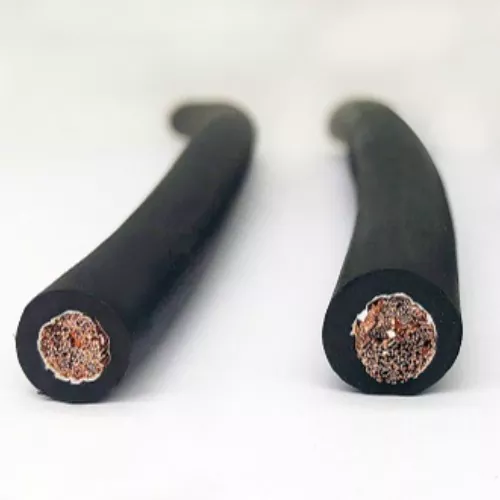
Welding Machine Cable
Yilan Cable factory's high quality Welding Machine Cable uses extra fine stranded oxygen-free copper conductors to ensure extreme softness when carrying hundreds of amperes of current, allowing welders to operate as smoothly as they want. The outer sheath adopts special neoprene outer sheath, which additionally provides good wear resistance, oil stain resistance and high temperature welding slag splashing resistance and prolongs the service life of the cable by several times. Please contact us for a quote.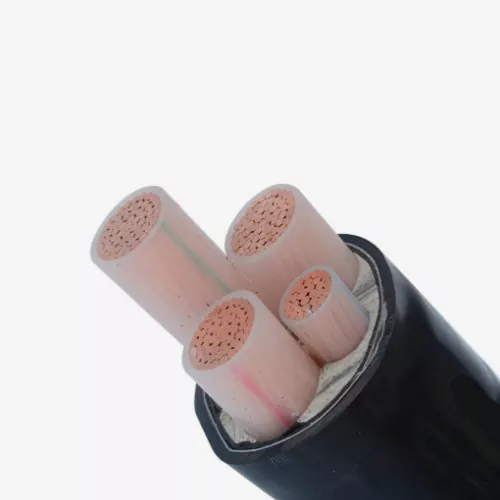
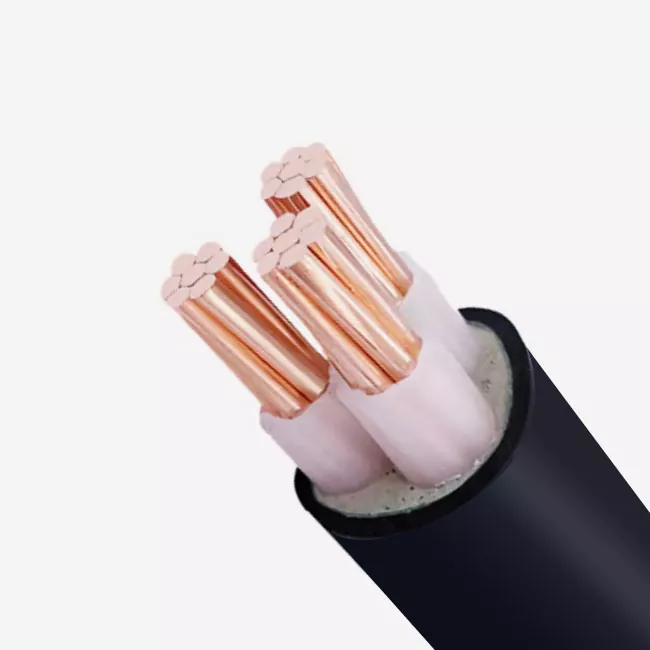
Fire Resistant PVC Insulated Sheathed STA Power Cable
If you are looking for a cost-effective cable for critical lifeline equipment such as fire pumps, emergency lighting, etc. that can continue to supply power for more than 90 minutes in a fire, then Yilan Cable, as a professional cable manufacturer in China, is the perfect choice for Fire Resistant PVC Insulated Sheathed STA Power Cable (NHVV22 Cable). It combines fire resistance, armor protection and cost advantages, especially suitable for fixed installation scenarios such as industrial direct burial, and is a support for building a strong emergency power transmission lifeline.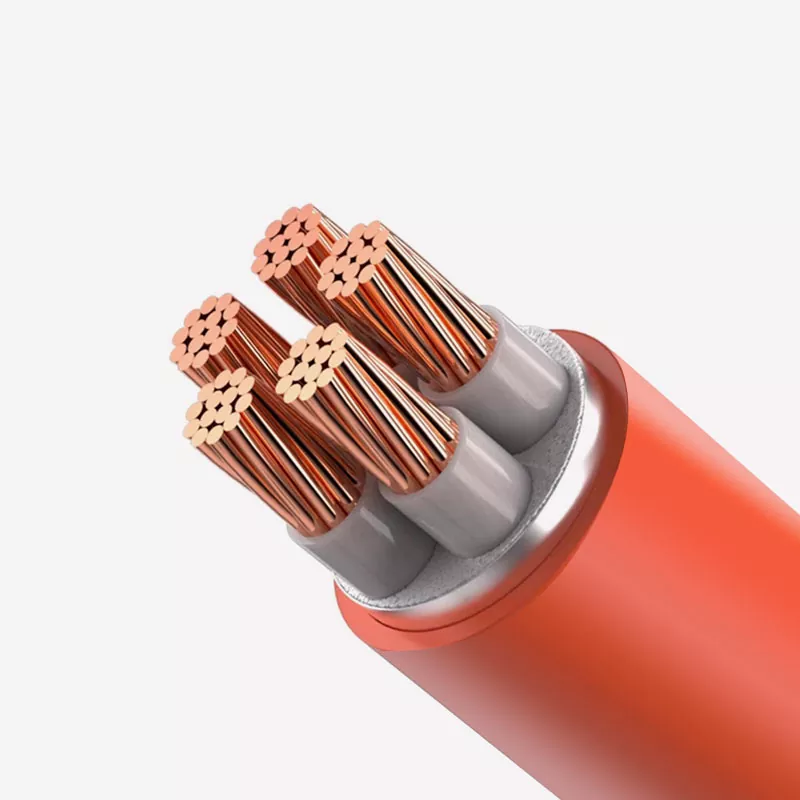
Flexible Mineral Insulated Fire Resistant Cable
As a leading China factory, Qingdao Yilan Cable Co., Ltd. provides you with high quality Flexible Mineral Insulated Fire Resistant Cable. It breaks the installation bottleneck of traditional rigid mineral cables and integrates fire safety with the installation convenience of ordinary cables. Contact us for a quote and we will get back to you within 24 hours.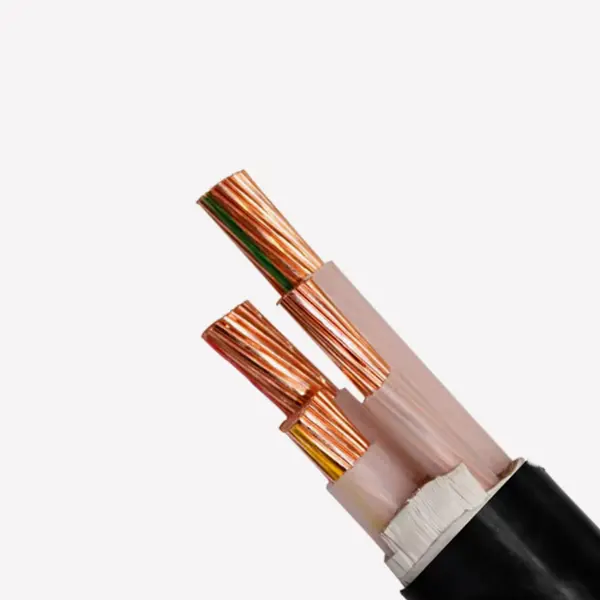
LSZH FR XLPE PVC Power Cable
Qingdao Yilan Cable Co., Ltd. high quality LSZH FR XLPE PVC Power Cable, also known as WDZ-YJV cable, is a kind of on the basis of traditional flame retardant, revolutionary realization of halogen-free, low smoke density of high quality environment-friendly flame retardant cable. It can not only actively inhibit the spread of flame in the fire, but also protect the life safety of personnel to the maximum extent. It is the core line of defense to ensure public safety in modern building electrical system.
- Related Blog
- Reviews


