
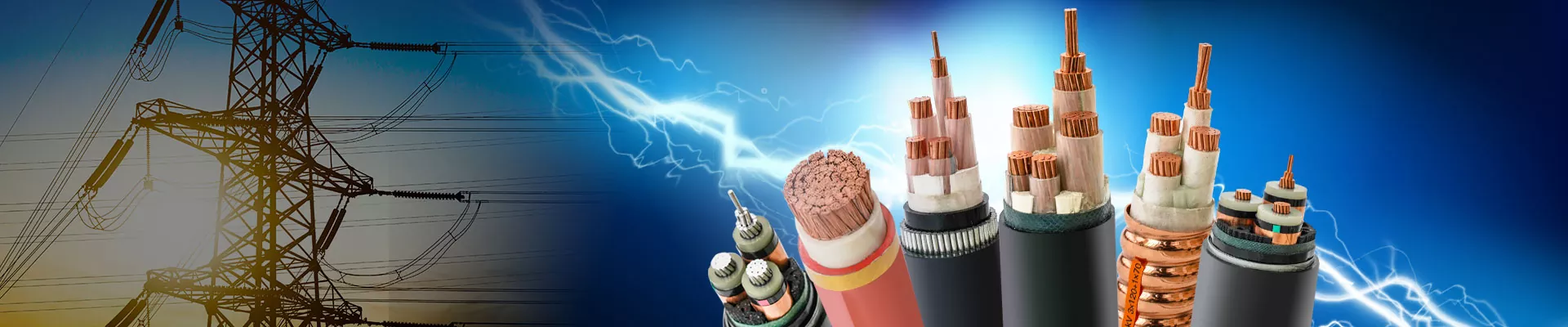
KYJVP22 cable
The KYJVP22 cable stands as a high-performance industrial control and instrumentation cable engineered for environments demanding exceptional durability, signal integrity, and electromagnetic interference (EMI) protection. Its robust, multi-layer construction is specifically designed to ensure reliable data transmission and control signal accuracy in complex industrial settings, including power plants, manufacturing facilities, and automation systems. A key component of its superior design is the use of a tinned Copper Core XLPE Insulated PVC Sheathed Copper Wire Braided Shielded STA Control Cable. This foundational element provides excellent conductivity and corrosion resistance. The overall architecture of the KYJVP22 cable integrates cross-linked polyethylene (XLPE) insulation for thermal stability, a comprehensive copper wire braided shield for effective EMI/RFI rejection, and a sturdy PVC outer sheath, often augmented with a steel tape armor (indicated by '22'), offering supreme mechanical protection against crushing, abrasion, and rodent damage. This makes it an indispensable solution for fixed installations in harsh conditions where both electrical performance and physical resilience are non-negotiable.
When specifying cables for mission-critical applications, understanding the detailed parameters of the **KYJVP22 cable** is essential. Below is a comprehensive breakdown of its technical specifications and construction, presented to facilitate precise selection and integration into your systems.
**Core Construction & Electrical Properties:**
* **Conductor:** Plain annealed copper, stranded (Class 2 per IEC 60228).
* **Conductor Cross-Section:** Available from 0.75 mm² to 10 mm² (or equivalent AWG sizes).
* **Insulation:** Cross-Linked Polyethylene (XLPE). This material offers high-temperature resistance, excellent dielectric strength, and long-term aging stability.
* **Individual Shielding:** Each insulated core is typically wrapped with a polyester film and shielded with a tinned copper braid, ensuring individual pair isolation from interference.
* **Overall Shielding:** A high-density tinned copper wire braid is applied over the assembled cores, providing comprehensive collective shielding effectiveness.
* **Armoring:** Galvanized steel tape armor, applied longitudinally or helically, offers exceptional mechanical protection (crush resistance, rodent protection).
* **Outer Sheath:** Polyvinyl Chloride (PVC), resistant to oils, acids, alkalis, and sunlight, suitable for various industrial environments.
* **Nominal Voltage:** 300/500V.
* **Temperature Range:** -20°C to +70°C for fixed installation. The XLPE insulation allows for a maximum conductor temperature of 90°C during operation.
* **Standards Compliance:** Generally manufactured to meet or exceed standards such as GB/T 9330, IEC 60502, and other relevant international specifications.
**Detailed Technical Data Table:**
| Parameter | Specification / Value |
| :--- | :--- |
| **Product Standard** | GB/T 9330, IEC 60502-1 |
| **Rated Voltage** | 300/500V |
| **Test Voltage** | 2000V AC for 5 minutes |
| **Insulation Resistance** | ≥ 20 MΩ·km at 20°C |
| **Conductor Material** | Plain Annealed Copper (Cu) |
| **Insulation Material** | Cross-Linked Polyethylene (XLPE) |
| **Individual Shielding** | Polyester Film + Tinned Copper Braid |
| **Overall Shielding** | Tinned Copper Wire Braid |
| **Armor Type** | Galvanized Steel Tape (STA) |
| **Sheath Material** | Polyvinyl Chloride (PVC) |
| **Min. Bending Radius** | 12 x Overall Cable Diameter (Fixed Installation) |
| **Operating Temp. Range** | -20°C to +70°C (Max. Conductor Temp.: 90°C) |
| **Flame Retardancy** | IEC 60332-1 (Standard) optionally available: IEC 60332-3 Cat A |
**Applications:**
The **KYJVP22 cable** is ideally deployed in areas susceptible to electromagnetic interference and requiring robust physical protection. Its primary applications include:
* Connection of instrumentation and control equipment in power generation and distribution.
* Signal transmission for process automation in chemical and petrochemical plants.
* Control circuits in manufacturing and assembly lines.
* Building management systems (BMS) and supervisory control and data acquisition (SCADA) systems.
* Any fixed installation where cables are exposed to potential mechanical stress, moisture, or corrosive agents.
Related Products
Hot Products
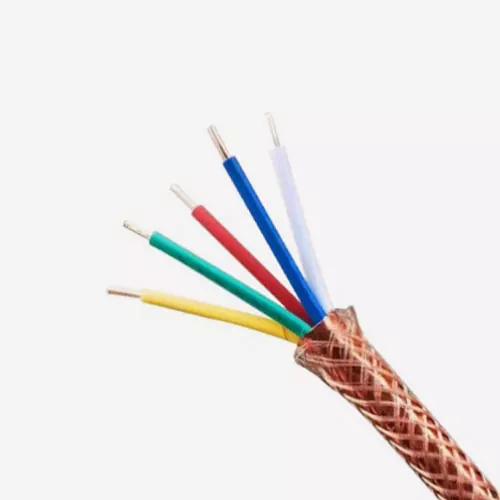
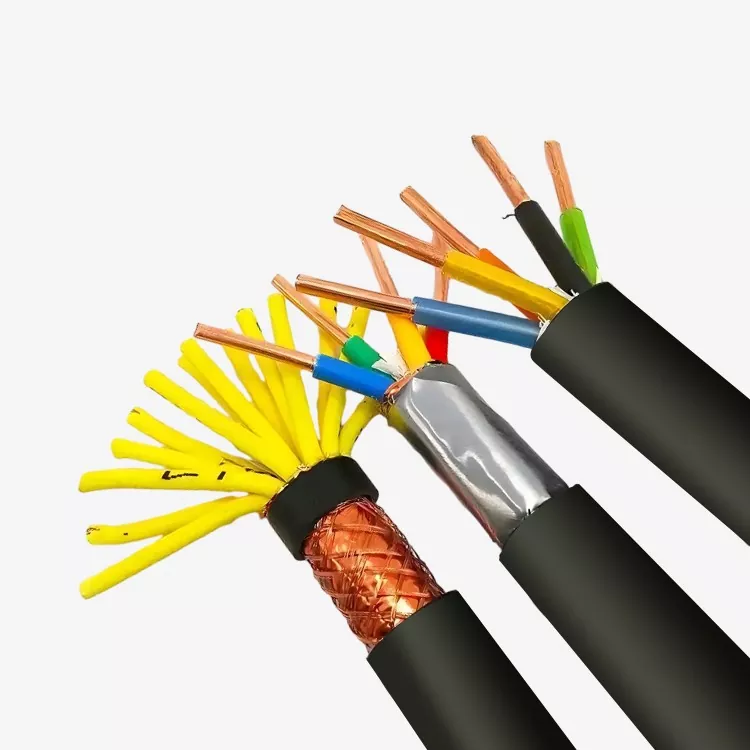
Copper Conductor PVC Insulated Sheathed Shielded Flexible Cable
If you're looking for a cost-effective, jam-resistant signal cable, then Yilan Cable, China's leading cable manufacturer, offers this high-quality Copper Conductor PVC Insulated Sheathed Shielded Flexible Cable (RVVP Cable). It is designed to combat complex electromagnetic environment, set outstanding shielding performance, high flexibility and durability in one, is to ensure that communications, automation and instrument signal purity and stability of the support.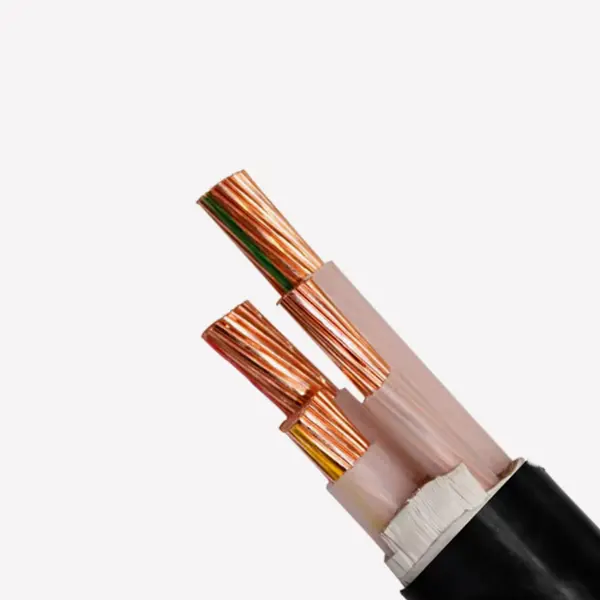
LSZH FR XLPE PVC Power Cable
Qingdao Yilan Cable Co., Ltd. high quality LSZH FR XLPE PVC Power Cable, also known as WDZ-YJV cable, is a kind of on the basis of traditional flame retardant, revolutionary realization of halogen-free, low smoke density of high quality environment-friendly flame retardant cable. It can not only actively inhibit the spread of flame in the fire, but also protect the life safety of personnel to the maximum extent. It is the core line of defense to ensure public safety in modern building electrical system.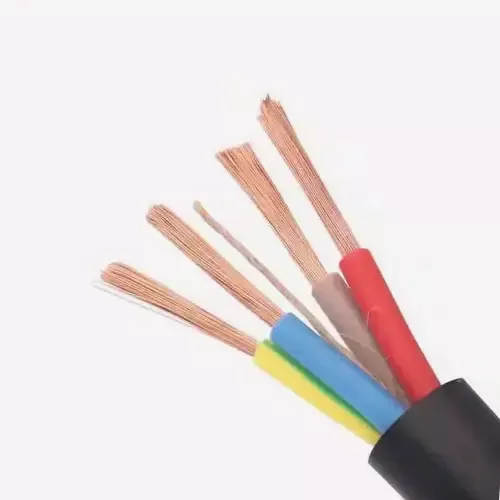
Copper Core PVC Insulated Sheathed Flexible Control Cable
Yilan Cable, as a professional manufacturer and supplier of control cables in China, can provide you with Factory direct products with quality assurance. Our KVVR Copper Core PVC Insulated Sheathed Flexible Control Cable uses multi-strand fine copper conductors and high-quality PVC materials to combine good flexibility, stable electrical properties and wide environmental adaptability, ideal for 450/750V and below control systems.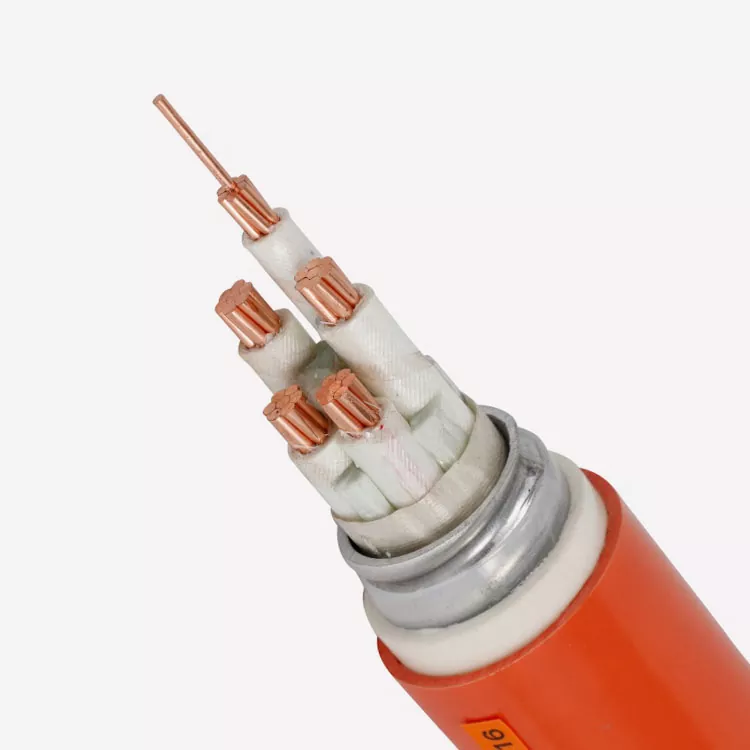
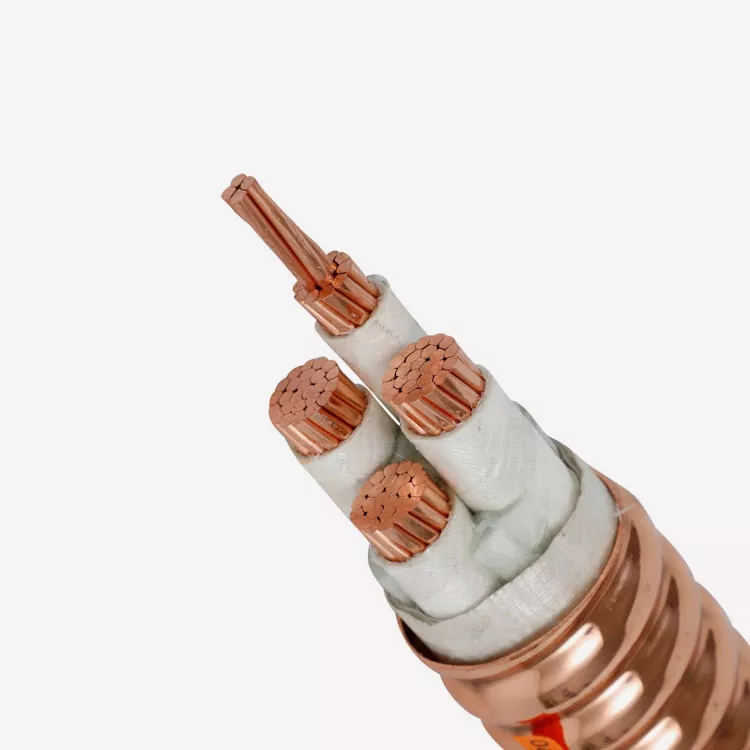
Fire Resistant Mineral Insulated Cable
When you need high-quality fire-resistant cable for high-rise buildings or critical facilities, Yilan Cable customized NG-A Fire Resistant Mineral Insulated Cable not only uses Copper Sheath and inorganic mineral insulation to ensure stable power supply in flames exceeding 1000°C, but also its unique flexible structure can save your construction team a lot of installation time and cost, providing true long-term Durability value and Low Price TCO.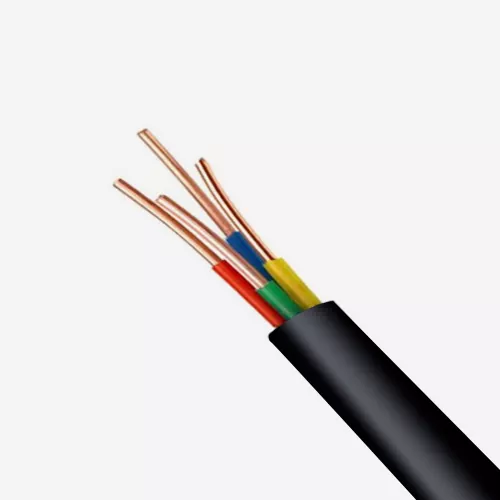
Copper Core XLPE Insulated PVC Sheathed Control Cable
If you are looking for a Copper Core XLPE Insulated PVC Sheathed Control Cable (KYJV Cable) with stable performance and low cost, then as a professional China Manufacturer, Yilan Cable Factory direct supply products are your choice. This cable is insulated with crosslinked polyethylene (XLPE) and has a long-term operating temperature of up to 90°C. It is more resistant to high temperatures than ordinary PVC cables and performs stably in scenarios where stable signal transmission is required, such as industrial automation and HVAC control.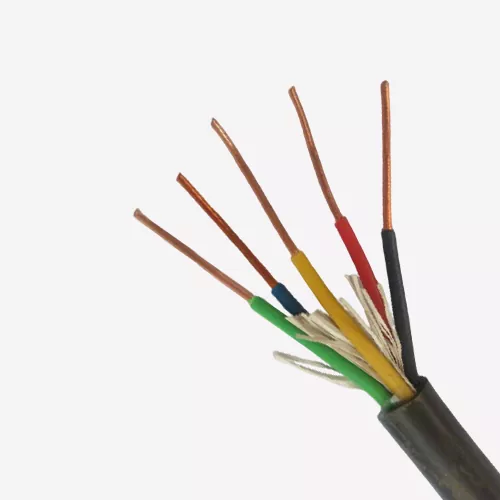
HFLS Flame Retardant A XLPE Insulated PE Power Cable
As a professional wire and cable manufacturer in China, customized WDZA-KYJY HFLS Flame Retardant A XLPE Insulated PE Power Cable independently developed and produced by Yilan Cable is a high-end industrial cable product integrating safety, environmental protection and high performance.
- Related Blog
- Reviews


