
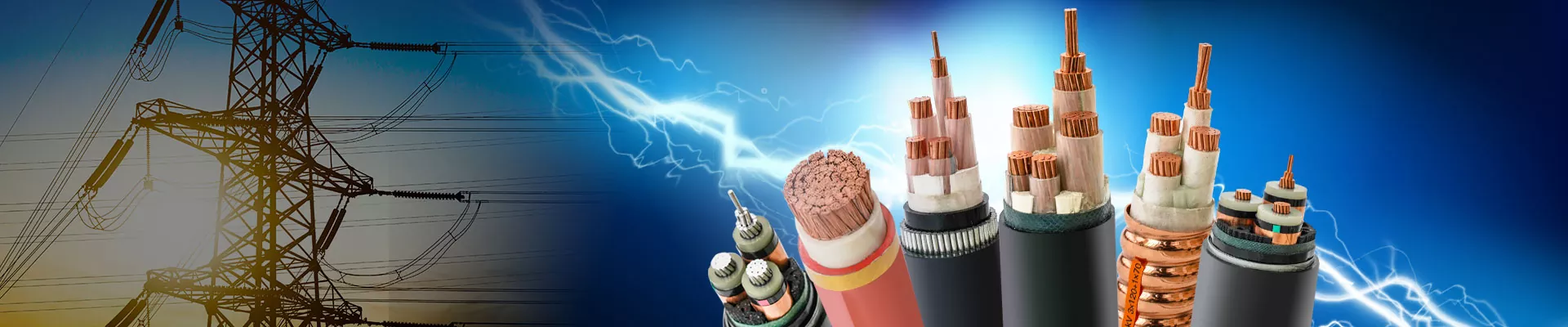
KYJV Cable
What is KYJV Cable?
KYJV cable is a highly versatile and widely used type of insulated electrical cable. Primarily designed for fixed indoor installations, it offers a reliable solution for connecting electrical appliances, lighting systems, control circuits, and instrumentation within dry or damp indoor environments. The "K" typically denotes a flexible copper conductor, "Y" signifies PVC insulation, "J" indicates a PVC inner sheath, and "V" stands for the overall PVC outer sheath. This robust construction makes KYJV a cost-effective and durable choice for a broad range of low-voltage power distribution and control applications in residential, commercial, and industrial buildings.
Key Features & Applications
KYJV cable is engineered for performance and safety. Its key characteristics include:
- Excellent Electrical Insulation: High-grade PVC material provides reliable insulation, ensuring safe operation.
- Good Flexibility: Stranded copper conductors allow for easier handling and installation in confined spaces.
- Moisture Resistance: The PVC sheath offers protection against damp conditions, making it suitable for indoor damp locations.
- Flame Retardant: Standard versions offer flame-retardant properties, enhancing fire safety in installations.
- Durability & Longevity: Resistant to abrasion, acids, alkalis, and oils, ensuring a long service life.
Common Applications: Fixed wiring in cable trays, conduits, and on walls; machine tool wiring; control panel connections; power supply for lighting, HVAC systems, and various stationary electrical equipment.
Technical Specifications & Parameters
The following table outlines the standard construction and technical data for KYJV cable. Specifications may vary slightly by manufacturer and regional standards (e.g., VDE, BS).
| Feature | Specification / Description |
|---|---|
| Conductor | Bare annealed copper, stranded (Class 2 per IEC 60228) |
| Insulation | Polyvinyl Chloride (PVC) |
| Inner Sheath (if applicable) | PVC |
| Outer Sheath | Polyvinyl Chloride (PVC), typically grey |
| Rated Voltage (U0/U) | 300/500V or 450/750V |
| Temperature Range | Fixed installation: -15°C to +70°C |
| Flame Propagation | IEC 60332-1 (Flame retardant) |
| Standards Compliance | IEC 60227, VDE 0281, BS 6004, etc. |
Available Core Configurations & Current Ratings
KYJV cable is available in various core configurations to suit different circuit requirements. Below is a reference table for common sizes and their approximate current-carrying capacity (for single-core cables in conduit at 30°C ambient temperature). Always consult local regulations and detailed manufacturer data for final design.
| Conductor Cross-Section (mm²) | Number of Cores | Approx. Current Rating (A) | Typical Outer Diameter (mm)* |
|---|---|---|---|
| 1.5 | 1, 2, 3, 4, 5, 7+Earth | 17.5 | ~4.8 (2-core) |
| 2.5 | 1, 2, 3, 4, 5, 7+Earth | 24 | ~5.6 (2-core) |
| 4.0 | 1, 2, 3, 4, 5+Earth | 32 | ~6.4 (2-core) |
| 6.0 | 1, 2, 3, 4+Earth | 41 | ~7.6 (2-core) |
| 10.0 | 1, 2, 3, 4+Earth | 57 | ~9.8 (2-core) |
* Diameter is indicative and varies by core count and manufacturer.
For optimal performance and safety, ensure the installation adheres to national electrical codes, considering factors like grouping, ambient temperature, and installation method (e.g., in conduit, on tray), which significantly affect the actual current-carrying capacity.
Related Products
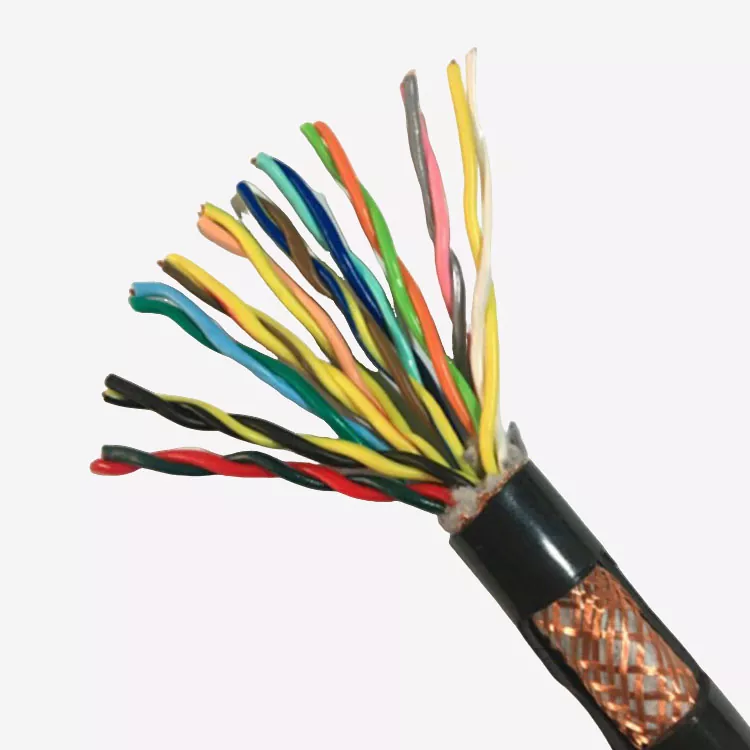
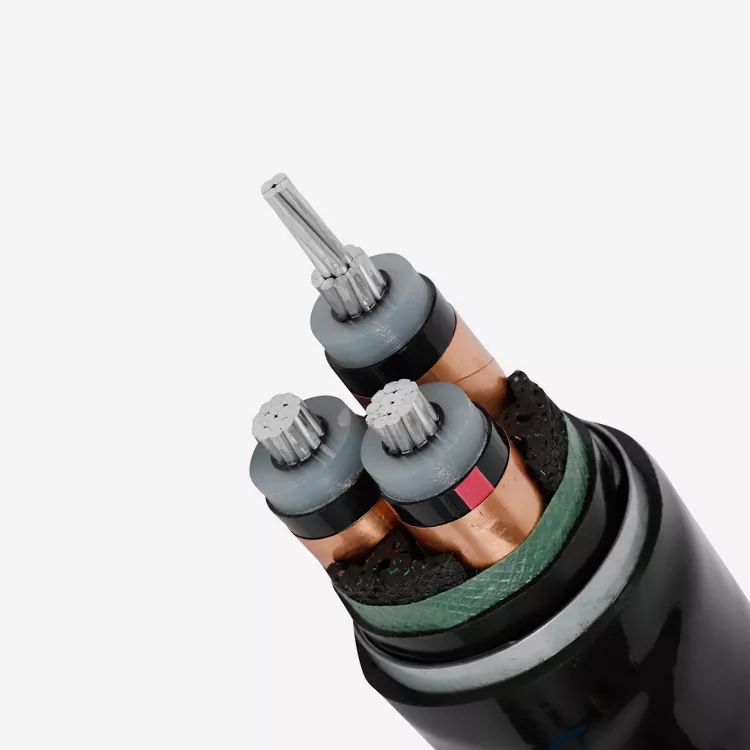
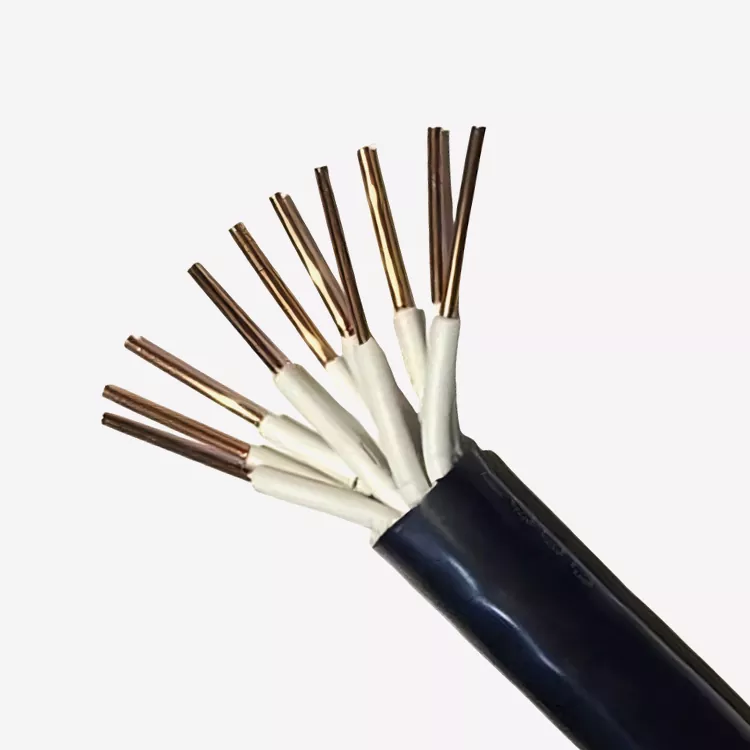
Hot Products
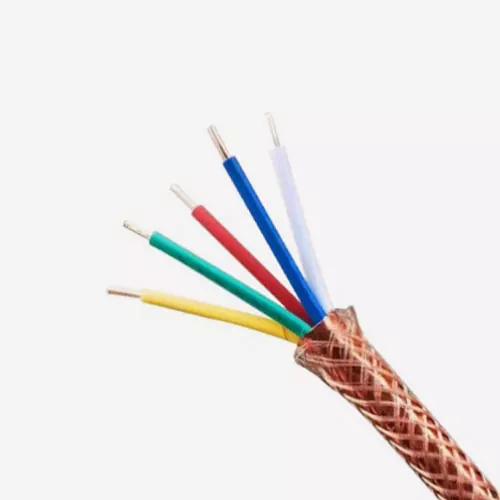
Copper Conductor PVC Insulated Sheathed Shielded Flexible Cable
If you're looking for a cost-effective, jam-resistant signal cable, then Yilan Cable, China's leading cable manufacturer, offers this high-quality Copper Conductor PVC Insulated Sheathed Shielded Flexible Cable (RVVP Cable). It is designed to combat complex electromagnetic environment, set outstanding shielding performance, high flexibility and durability in one, is to ensure that communications, automation and instrument signal purity and stability of the support.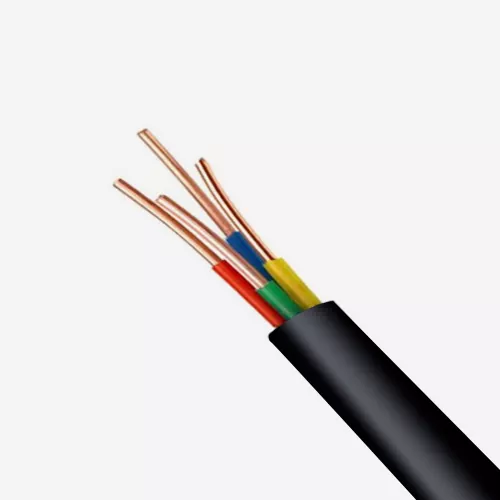
Copper Core XLPE Insulated PVC Sheathed Control Cable
If you are looking for a Copper Core XLPE Insulated PVC Sheathed Control Cable (KYJV Cable) with stable performance and low cost, then as a professional China Manufacturer, Yilan Cable Factory direct supply products are your choice. This cable is insulated with crosslinked polyethylene (XLPE) and has a long-term operating temperature of up to 90°C. It is more resistant to high temperatures than ordinary PVC cables and performs stably in scenarios where stable signal transmission is required, such as industrial automation and HVAC control.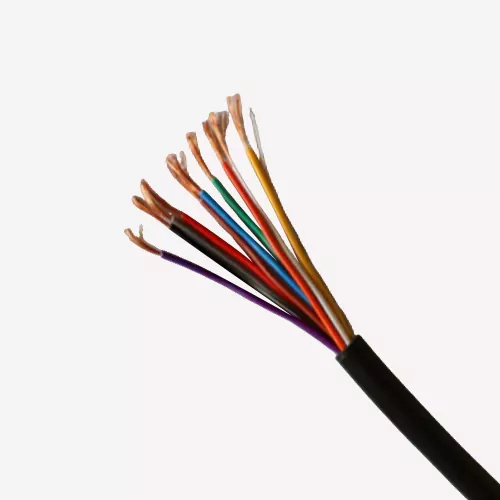
Copper Core PVC Insulated Sheathed Control Cable
Yilan Cable factory's high quality KVV Copper Core PVC Insulated Sheathed Control Cable is a basic and widely used control cable. Adopt mature PVC material technology, with good electrical insulation, flexibility and chemical corrosion resistance.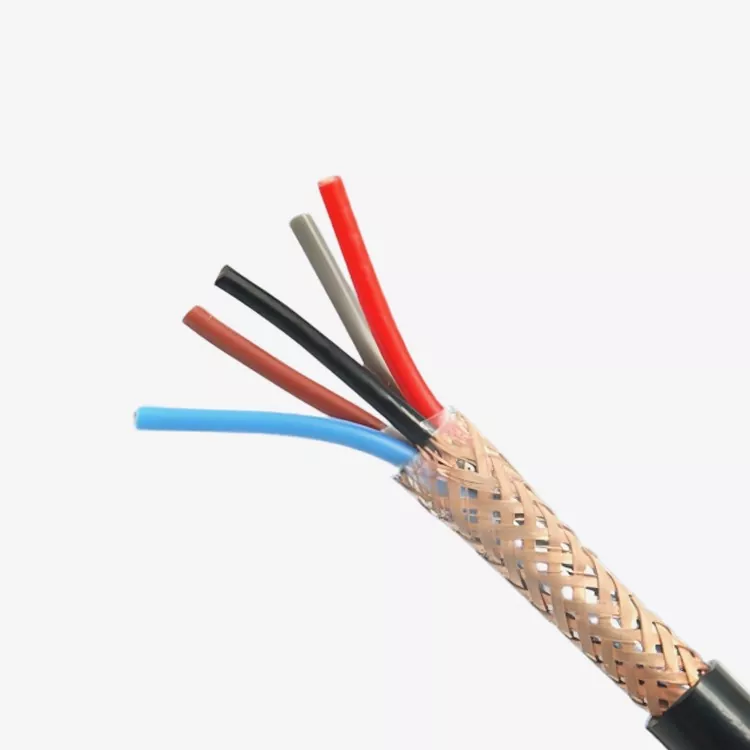
Low Smoke Halogen Free Flexible Cable
If you are looking for high quality cables with top fire protection performance and environmental protection characteristics in China market, Yilan Cable, as a professional manufacturer in China, produces high quality WD-YTTWY Low Smoke Halogen Free Flexible Cable, which realizes breakthrough upgrade on the basis of traditional rigid mineral cables. It not only can withstand high temperature above 1000°C and maintain continuous power supply, but also ensures that the project meets the highest safety standards with good flexibility and ring protection sleeve design. It also meets the forward-looking requirements of modern green buildings.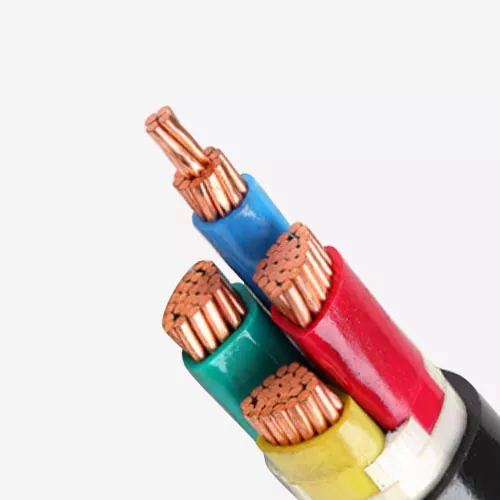
Fire Resistant PVC Insulated Sheathed Power Cable
Yilan Cable would like to provide you high quality NHVV Fire Resistant PVC Insulated Sheathed Power Cable, which is a professional manufacturer of fire resistant cables in China. It can ensure that the fire protection system, emergency lighting and alarm lines keep the power flowing at the critical moment of fire.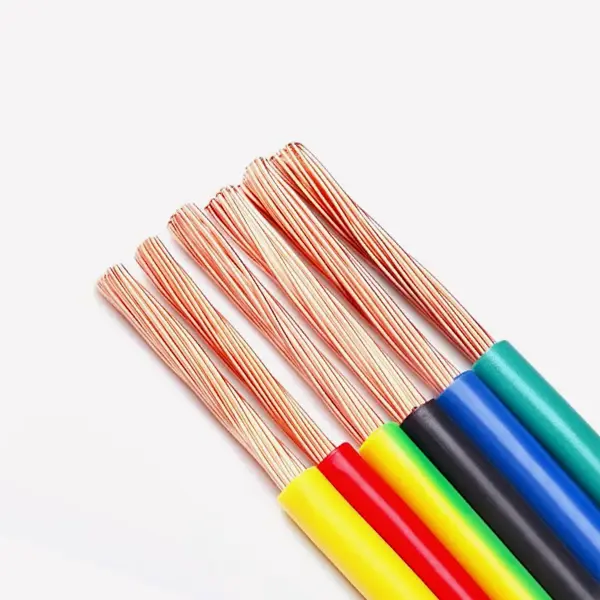
Stranded Copper Conductor PVC Flexible Cable
Yilan Cable factory's high quality BVR Stranded Copper Conductor PVC Flexible Cable is designed for frequent bending and movement, which is not only easy to install, but also significantly reduces the risk of fracture in long-term use. We promise to provide free samples with flexible customization, allowing you to verify the quality of our products before purchasing with zero risk.
- Related Blog
- Reviews


