
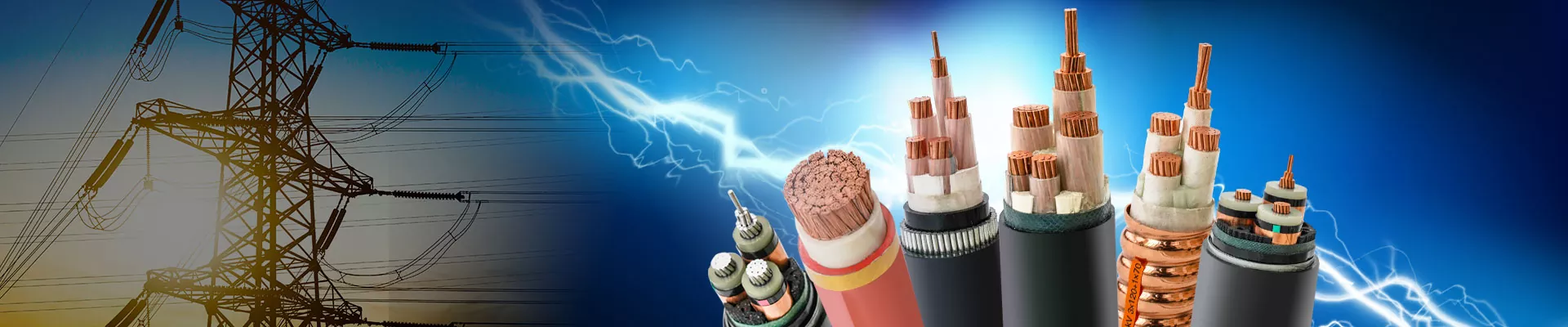
BV wire
BV Wire: A Comprehensive Guide to Electrical Building Wire
BV wire, standing for Building Wire with PVC insulation, is a fundamental component in residential and commercial electrical installations across numerous regions. This single-core, solid or stranded copper conductor, insulated with durable Polyvinyl Chloride (PVC), is designed for fixed wiring within conduits, trunking, or directly embedded in plaster or concrete under specific regulations. Its primary application lies in distributing power from the main distribution board to various outlets, lighting points, and appliances within a building's internal walls, ceilings, and floors.
The widespread adoption of BV cable is attributed to its balanced set of properties: good electrical conductivity, reliable insulation, flame retardancy, and cost-effectiveness for standard indoor environments. It is crucial to select the correct specification based on local electrical codes, the specific installation environment, and the required current-carrying capacity.
Key Product Parameters and Specifications
Understanding the technical specifications of BV wire is essential for safe and compliant electrical design. Below is a detailed breakdown of its core parameters.
- Conductor: Manufactured from high-purity electrolytic copper, available in either solid or stranded form. Stranded conductors offer superior flexibility for easier pulling through conduits with multiple bends.
- Insulation: Standard PVC compound (Polyvinyl Chloride). This insulation provides excellent electrical resistance, is flame-retardant, and offers protection against mild mechanical abrasion, moisture, and heat up to its rated temperature.
- Voltage Rating: Typically rated for 450/750V or 600/1000V systems. This indicates its suitability for standard low-voltage power distribution circuits.
- Temperature Rating: The standard maximum continuous operating temperature is 70°C. Special high-temperature PVC variants may be available for specific applications.
- Standards Compliance: Must conform to relevant national or international standards, such as IEC 60227, GB/T 5023, or other locally recognized norms, which govern dimensions, testing, and performance.
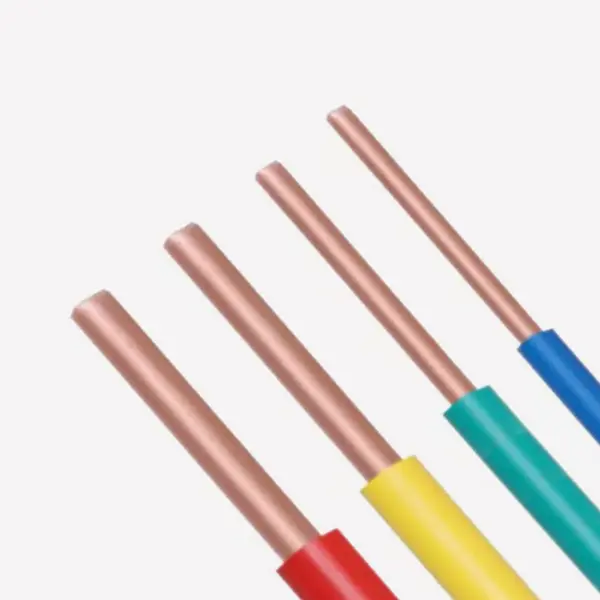
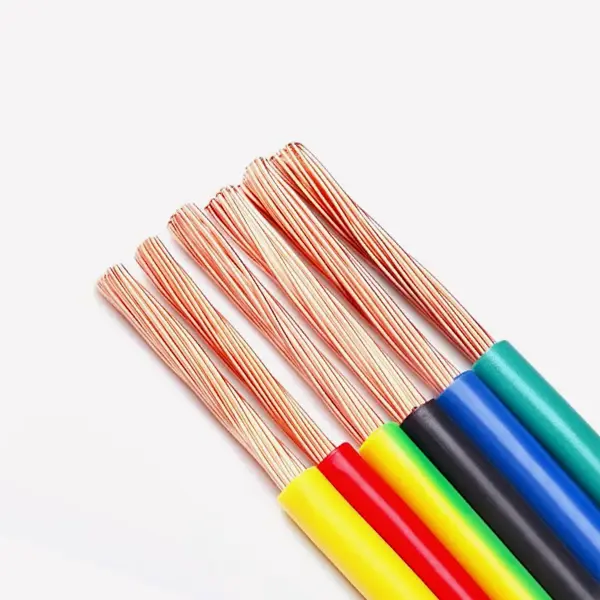
- Color Coding: Insulation is color-coded for easy identification of live, neutral, and earth conductors (e.g., Brown/Red for Live, Blue/Black for Neutral, Green/Yellow for Earth) as per local wiring regulations.
Detailed Technical Data Table
The following table provides standard cross-sectional areas and their corresponding technical data for solid copper BV wire. Actual values may vary slightly by manufacturer and standard; always consult manufacturer datasheets for precise specifications.
| Nominal Cross-Sectional Area (mm²) | Approx. Number of Strands / Diameter (Solid) | Approx. Overall Diameter (mm) | Max. DC Resistance at 20°C (Ω/km) | Approx. Current Rating* (A) in Conduit |
|---|---|---|---|---|
| 1.0 | 1 / 1.13mm | 2.8 | 18.1 | 13 |
| 1.5 | 1 / 1.38mm | 3.1 | 12.1 | 17 |
| 2.5 | 1 / 1.78mm | 3.7 | 7.41 | 24 |
| 4.0 | 1 / 2.25mm | 4.2 | 4.61 | 31 |
| 6.0 | 1 / 2.76mm | 4.8 | 3.08 | 41 |
| 10.0 | 7 / 1.35mm | 6.6 | 1.83 | 57 |
| 16.0 | 7 / 1.70mm | 7.8 | 1.15 | 76 |
*Current ratings are indicative for reference under specific installation conditions (e.g., single circuit in conduit at an ambient temperature of 30°C). Actual derating factors for grouping, ambient temperature, and insulation type must be applied as per engineering guidelines.
Typical Applications and Installation Notes
BV wire is specified for a range of fixed wiring applications in dry and occasionally damp indoor locations. Common uses include power and lighting circuit wiring behind walls and ceilings, connection of switchboards, and installation within approved conduits or cable trunking systems. It is not designed for direct burial in soil, prolonged exposure to sunlight/UV (unless specifically UV-stabilized), or use as flexible appliance cordage. For outdoor, underground, or wet locations, alternative cable types like SWA (Steel Wire Armored) or USE (Underground Service Entrance) cable are required. Always ensure installation is performed by a qualified electrician in strict accordance with local electrical codes and regulations, which dictate correct sizing, protection, and routing methods.
Related Products
Hot Products
XLPE Insulated STA PVC Sheathed Aluminum Cable
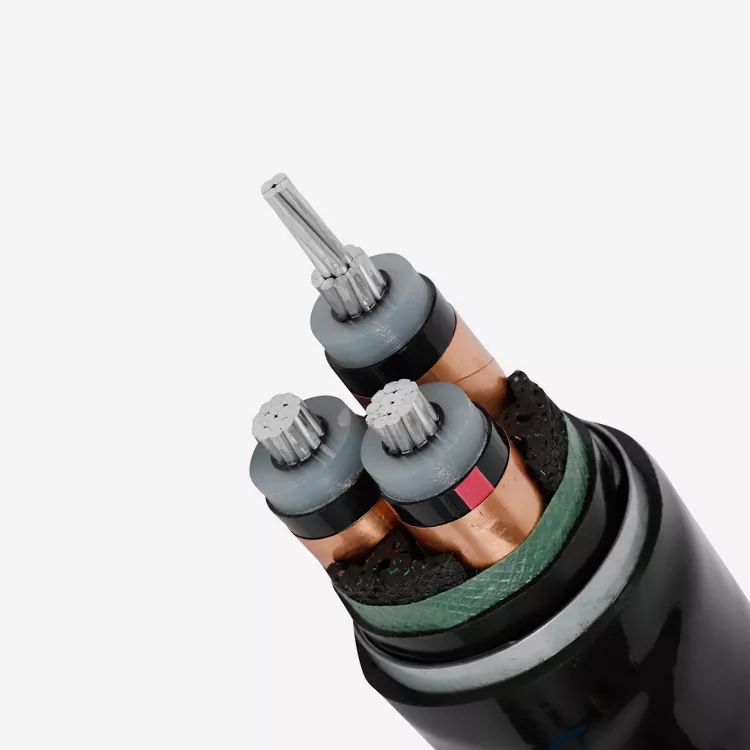
Yila Cable, a manufacturer specializing in cable production in China would like to provide you durable YJLV22 XLPE Insulated STA PVC Sheathed Aluminum Cable, which has a built-in double steel tape armor layer to enable it to be directly buried and resist mechanical shock, pressure and rodent damage that may be encountered in complex and harsh environments.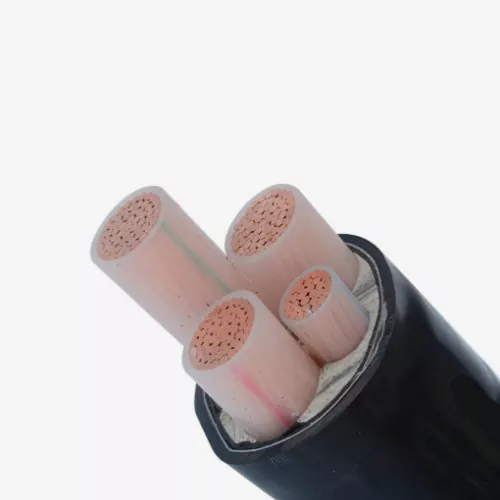
Fire Resistant PVC Insulated Sheathed STA Power Cable
If you are looking for a cost-effective cable for critical lifeline equipment such as fire pumps, emergency lighting, etc. that can continue to supply power for more than 90 minutes in a fire, then Yilan Cable, as a professional cable manufacturer in China, is the perfect choice for Fire Resistant PVC Insulated Sheathed STA Power Cable (NHVV22 Cable). It combines fire resistance, armor protection and cost advantages, especially suitable for fixed installation scenarios such as industrial direct burial, and is a support for building a strong emergency power transmission lifeline.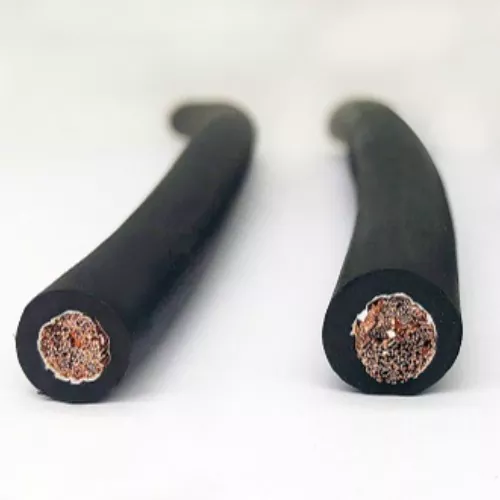
Welding Machine Cable
Yilan Cable factory's high quality Welding Machine Cable uses extra fine stranded oxygen-free copper conductors to ensure extreme softness when carrying hundreds of amperes of current, allowing welders to operate as smoothly as they want. The outer sheath adopts special neoprene outer sheath, which additionally provides good wear resistance, oil stain resistance and high temperature welding slag splashing resistance and prolongs the service life of the cable by several times. Please contact us for a quote.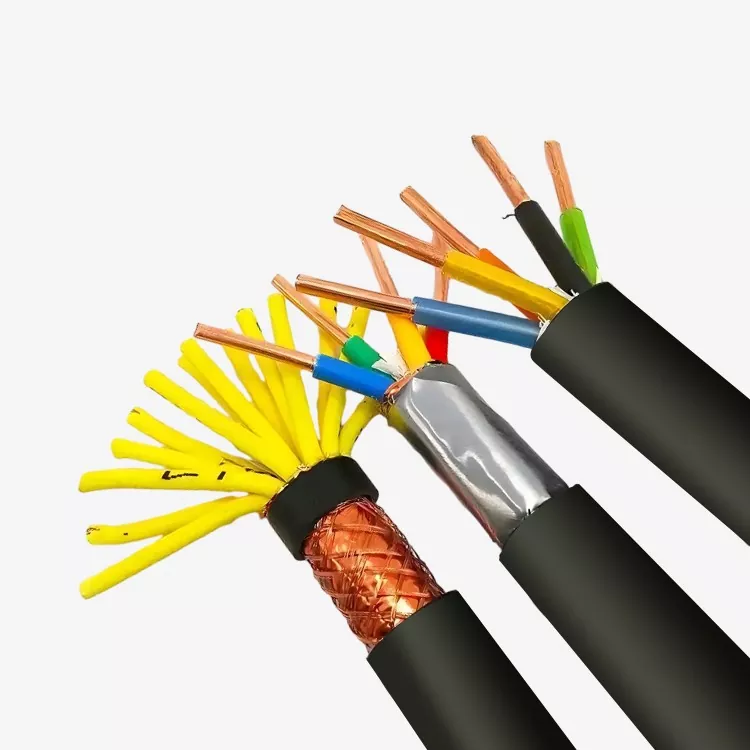
Sheathed Braided Shield PVC Insulated Control Cable Copper Core
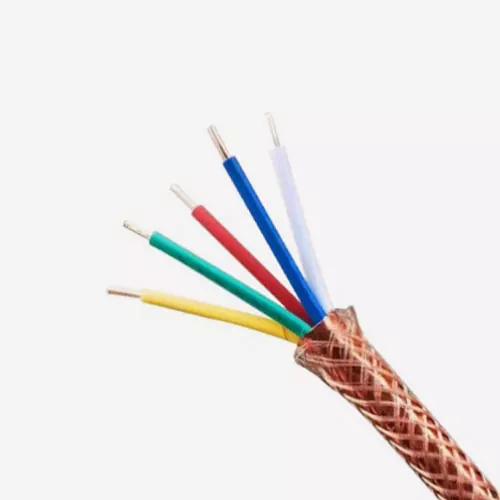
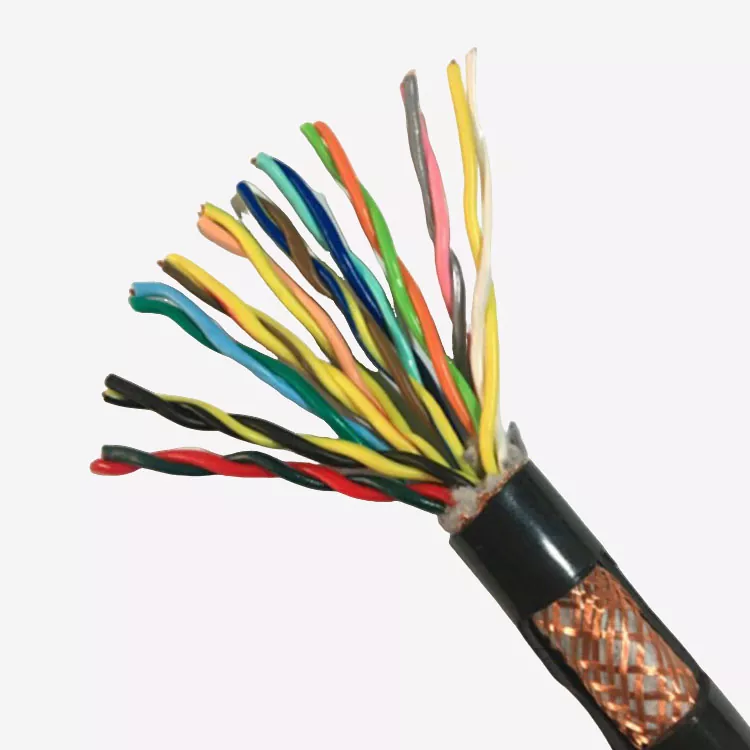
Yilan Cable would like to provide you with high quality Sheathed Braided Shield PVC Insulated Control Cable Copper Core, whose unique tinned copper wire braided shield can effectively isolate external interference and ensure stable and accurate transmission of PLC commands, sensor data and instrument signals.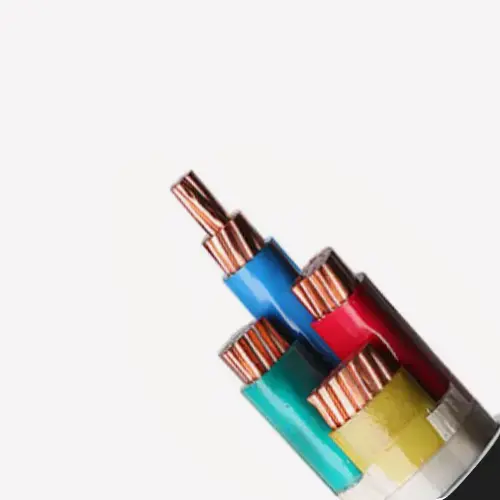
PVC Insulated Sheathed Power Cable
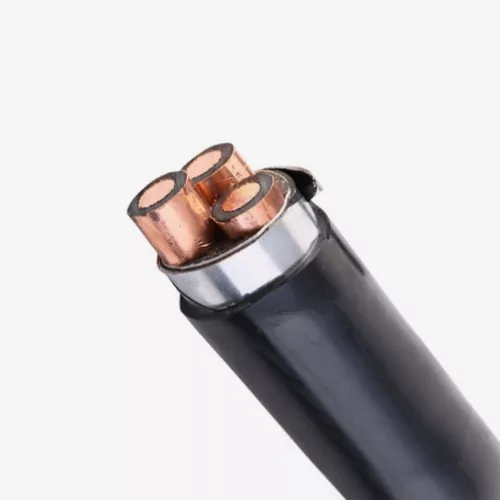
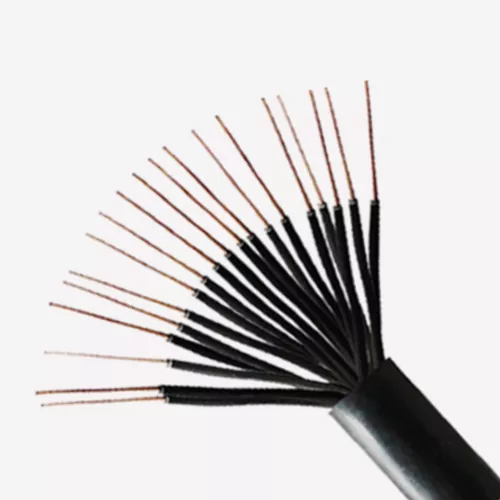
Yilan Cable factory's high quality VV PVC Insulated Sheathed Power Cable adopts copper or aluminum conductor and double PVC protection, rated voltage 0.6/1kV, excellent insulation, corrosion resistance and flame retardance, which is a universal power transmission backbone tested in thousands of projects.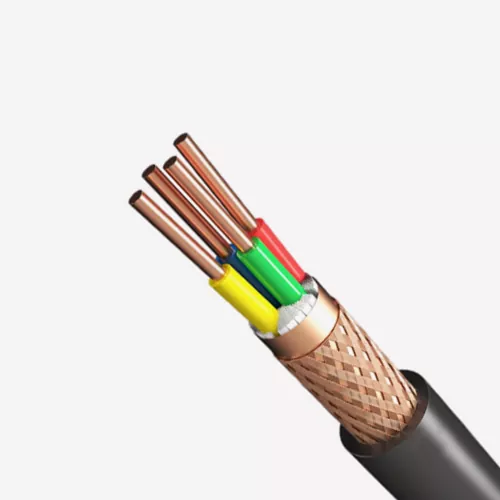
Copper Shielded PVC Insulated Sheathed Control Cable
Choose a true anti-interference product for your PLC, sensors and precision instruments. High quality Copper Shielded PVC Insulated Sheathed Control Cable manufactured by Yilan Cable factory is specially designed for complex electromagnetic environment. It not only provides excellent shielding efficiency, but also ensures durability under long-term harsh working conditions with excellent flexibility and oil resistance and wear resistance sheath.
- Related Blog
- Reviews


