The application of wires has long permeated every corner of human production and life. From microscopic electronic components to macroscopic energy networks, it undertakes the dual missions of "energy transmission" and "signal transmission" in different forms.
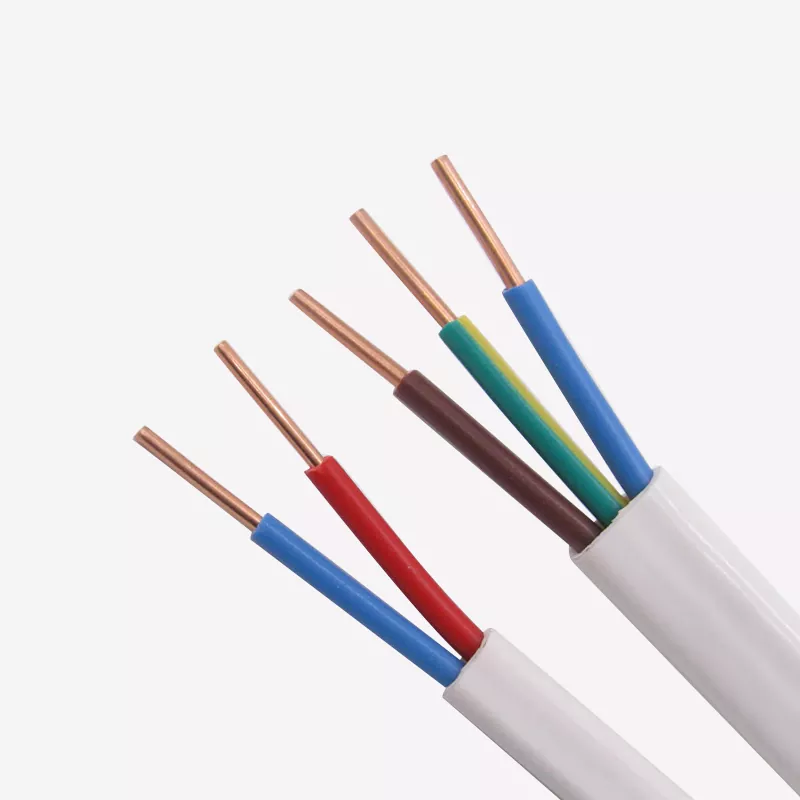
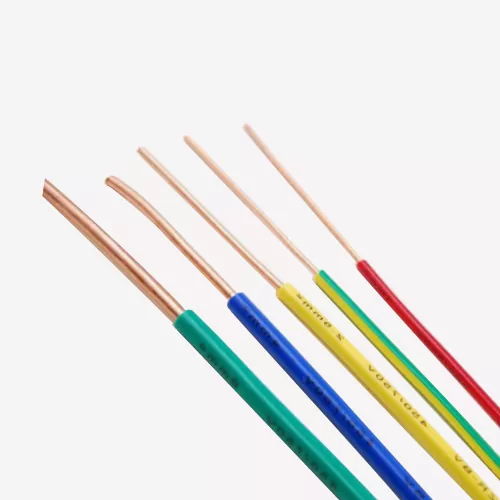
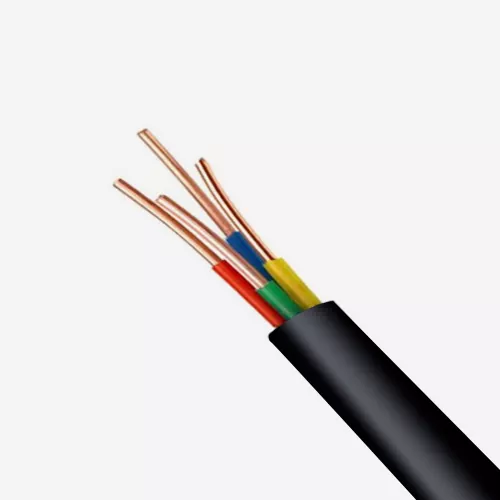
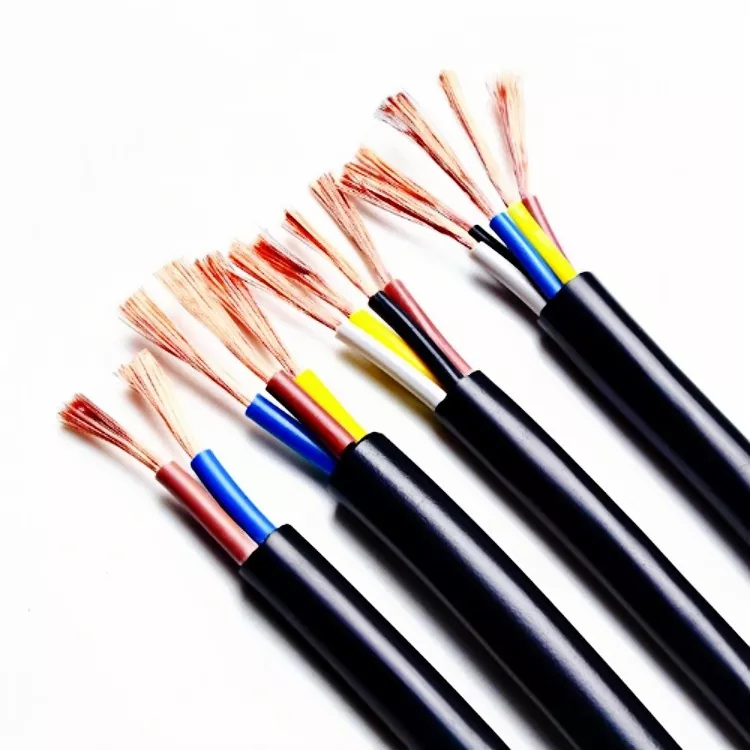
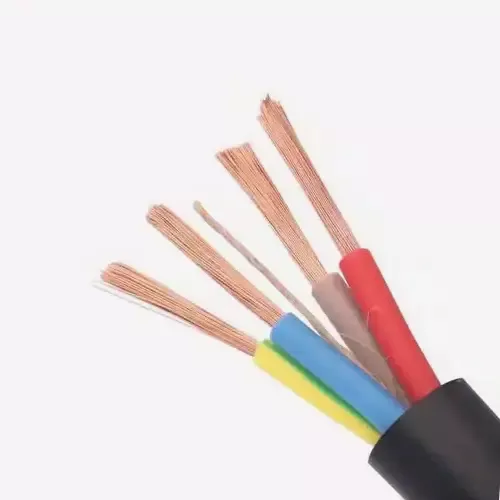
In a household setting, wires act as "invisible butlers" :BV wires (copper core polyvinyl chloride insulated wires) within walls supply power to sockets and lamps. High-power appliances such as air conditioners and refrigerators require thicker BVR flexible wires (multi-strand copper core flexible wires) to withstand greater currents. Network cables, HDMI cables and other "signal wires" transmit data through the thin wires inside, connect TVS and routers, and build a home entertainment and network system.
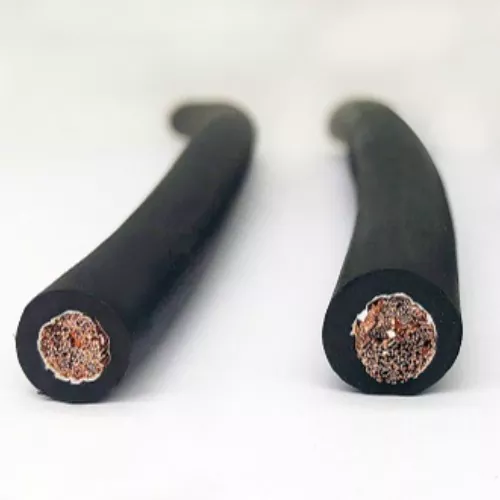
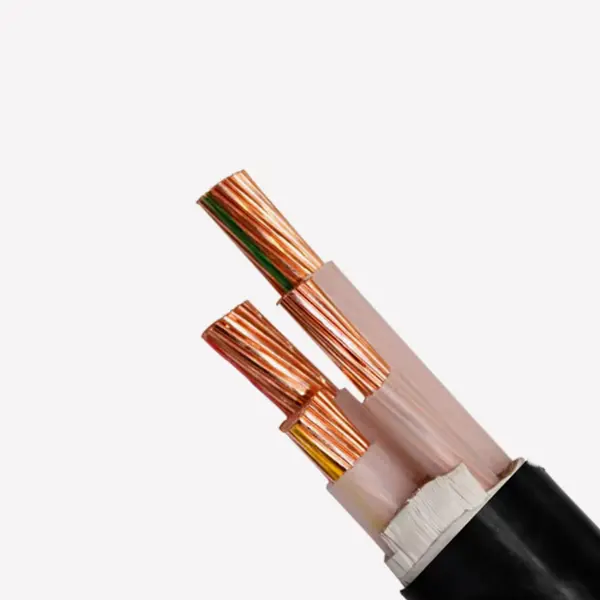
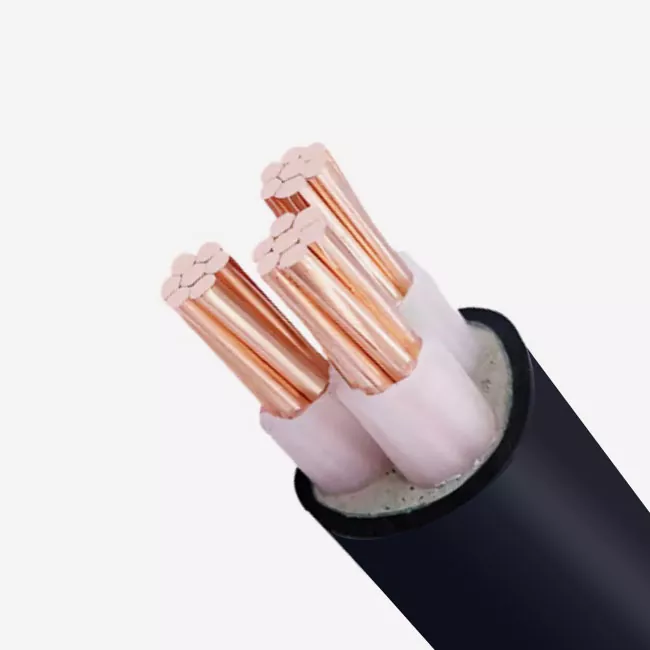
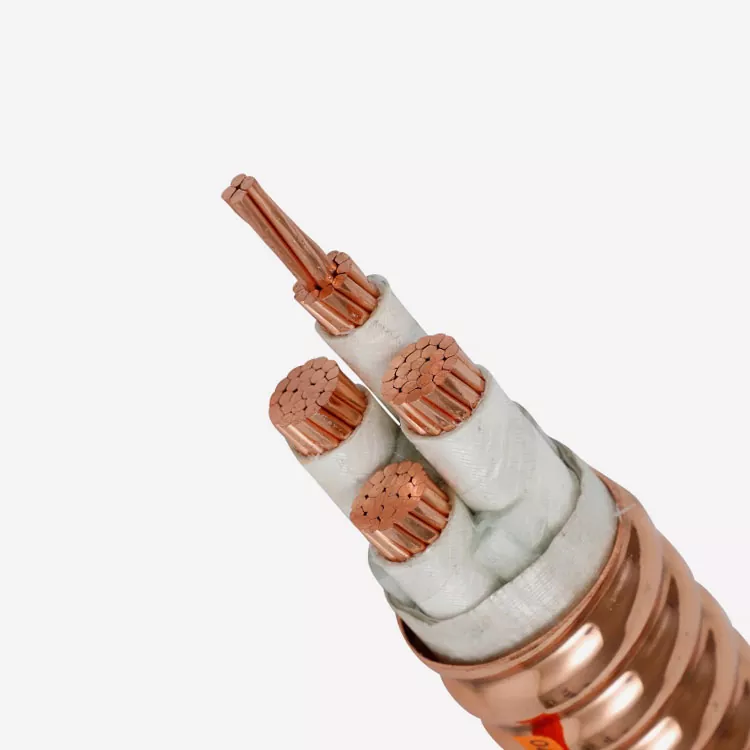
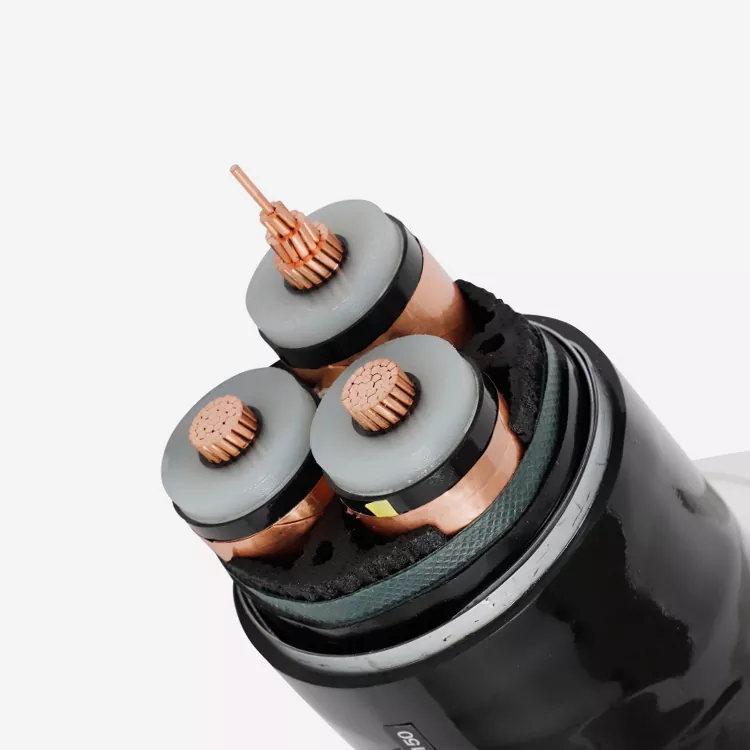
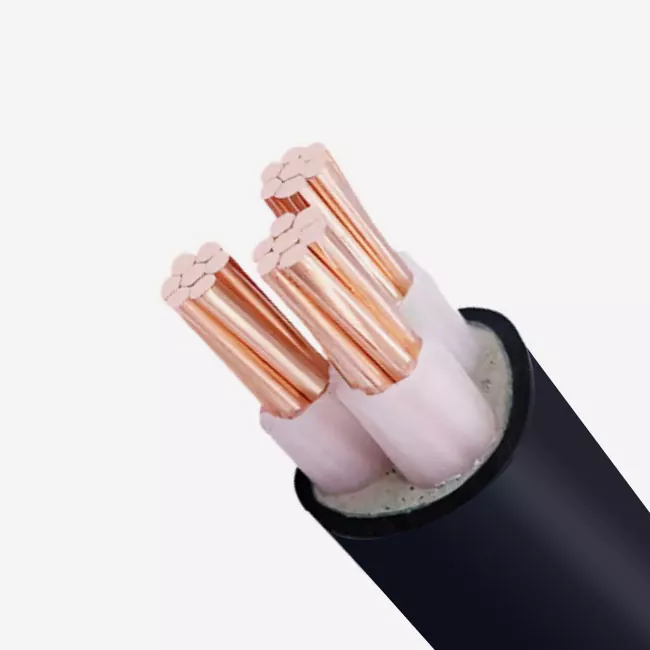
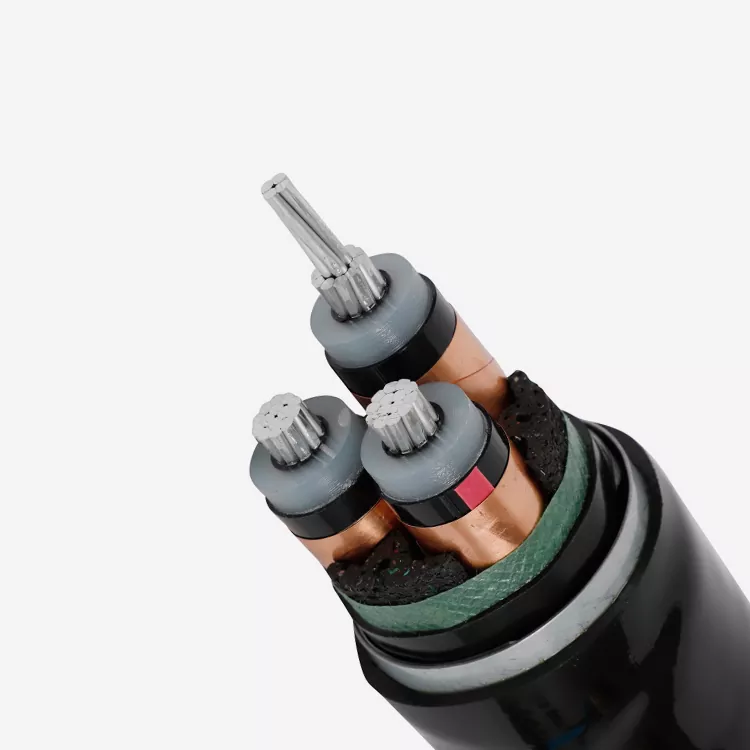
In the industrial field, wires are the "engines of production" : in factory workshops, heavy-duty cables provide power for machine tools and robots, while oil-resistant and wear-resistant special wires adapt to the harsh environment of mechanical oil stains. In new energy power stations, photovoltaic cables connect each solar panel, collecting the electrical energy converted from light energy to the inverter and then transmitting it to the power grid through high-voltage cables. It can be said that without wires, there would be no automation and efficiency in industrial production.
In public infrastructure, power lines are the "veins of the city" : in subway tunnels, high-voltage cables provide power for trains, while signal cables transmit dispatching instructions in real time. On the antenna of a 5G base station, RF cables transmit signals to every mobile phone. At the bottom of the sea, submarine cables span the ocean, connecting the power grids and communication networks of different continents, achieving global interconnection and intercommunication of energy and information.
We use cookies to offer you a better browsing experience, analyze site traffic and personalize content. By using this site, you agree to our use of cookies. Privacy Policy