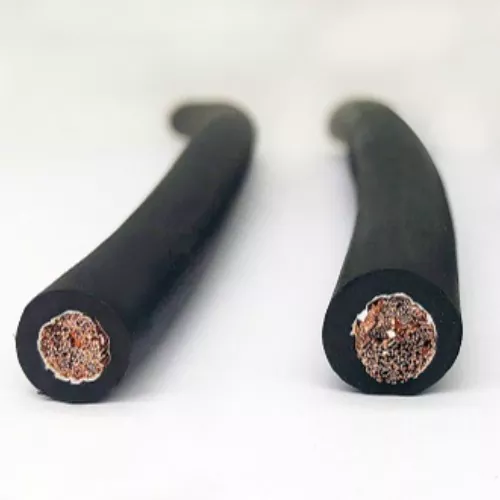
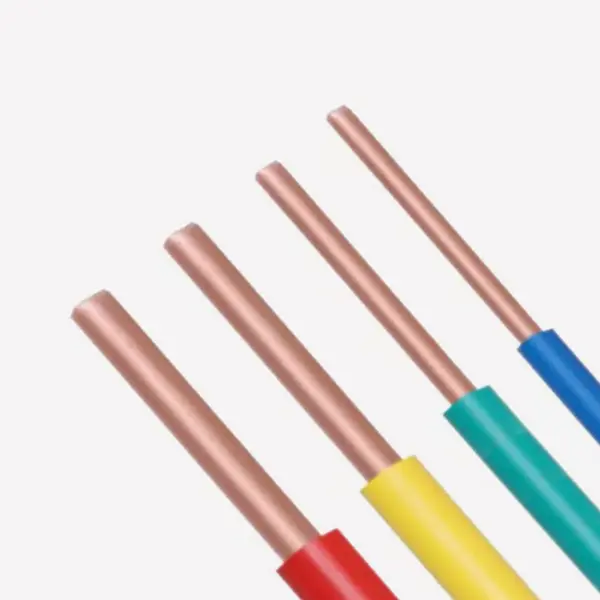
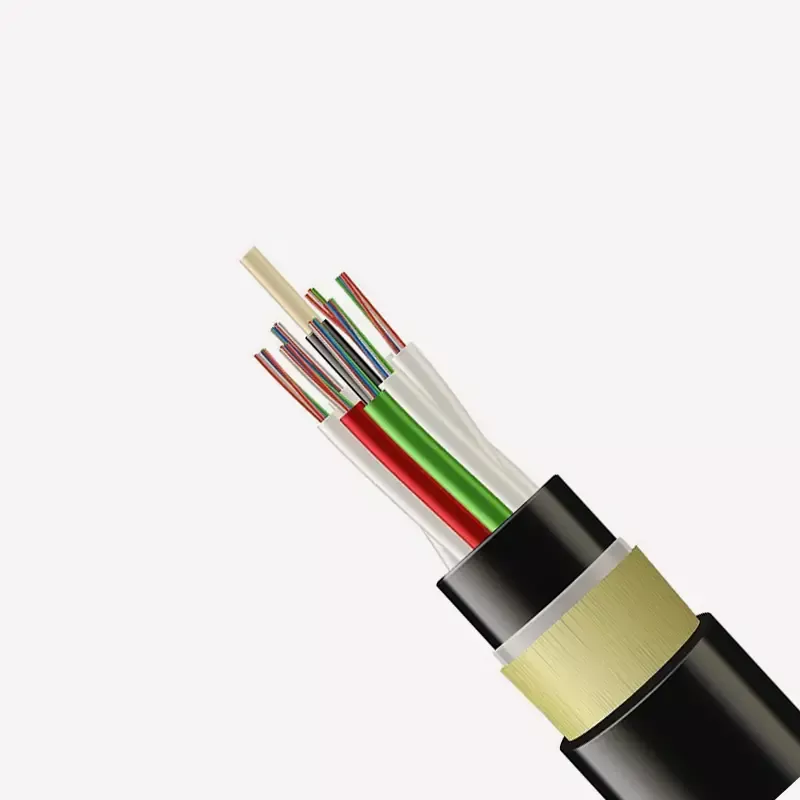
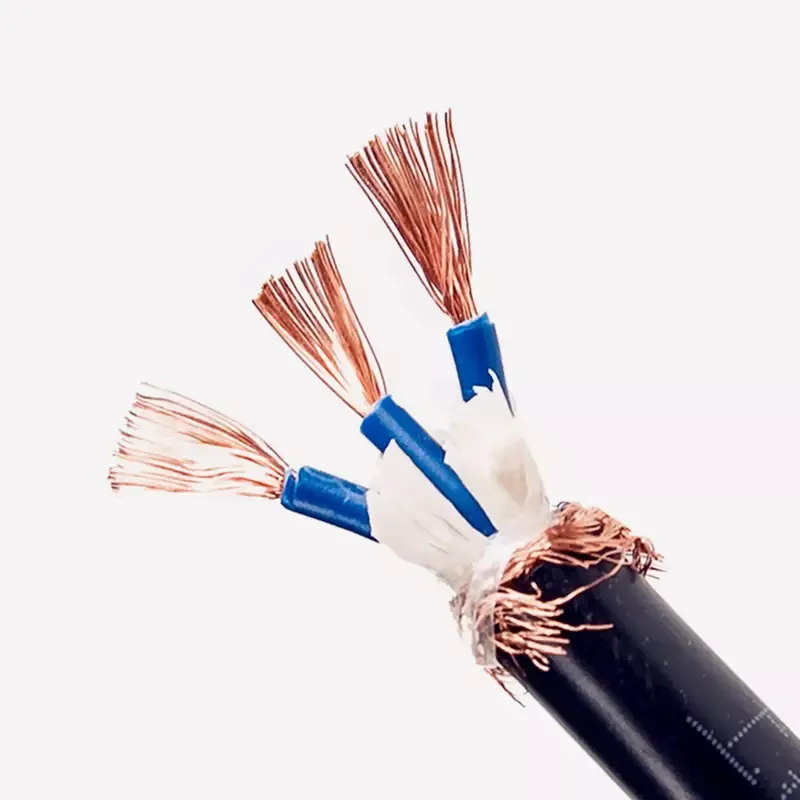
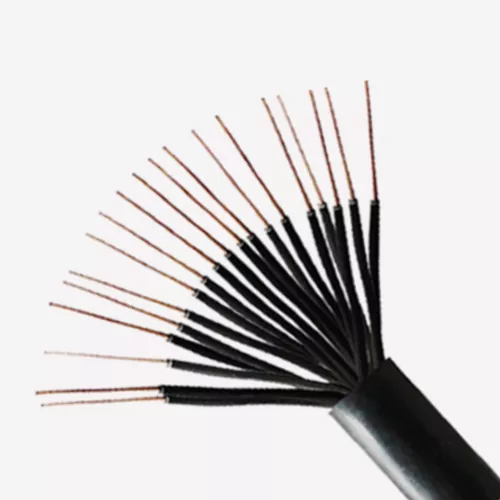
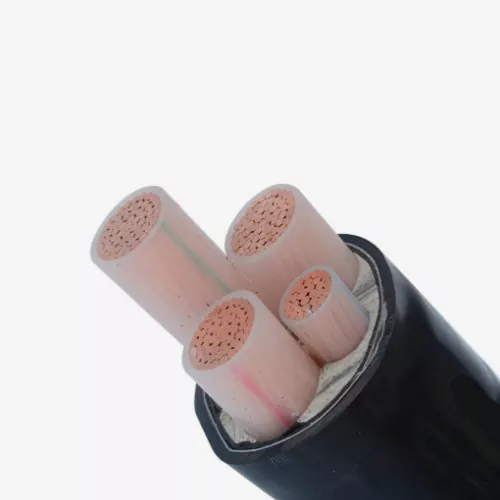
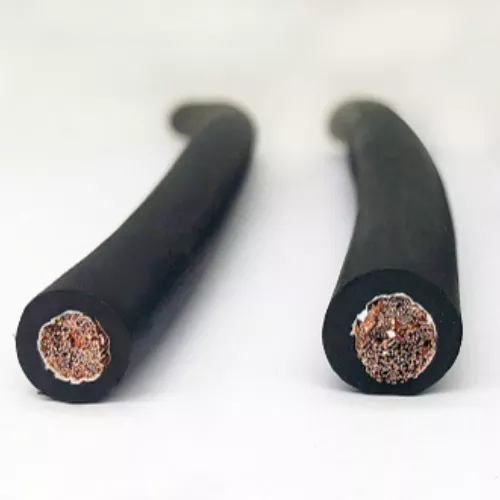
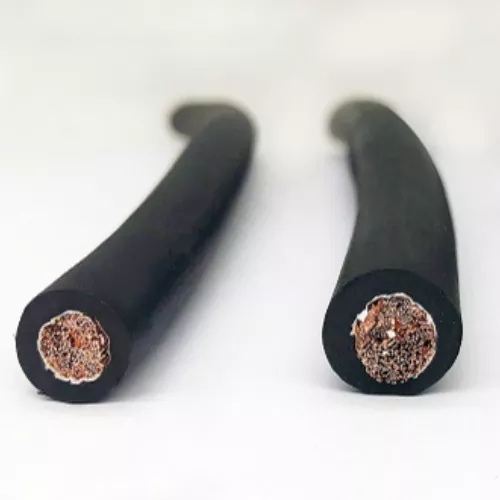
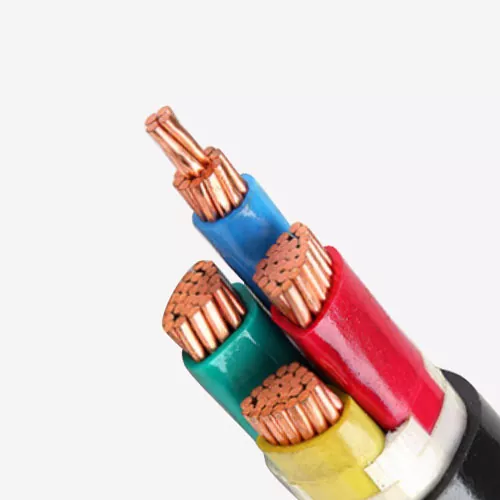
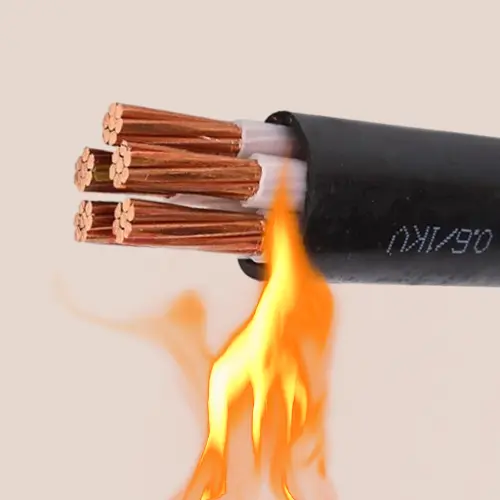
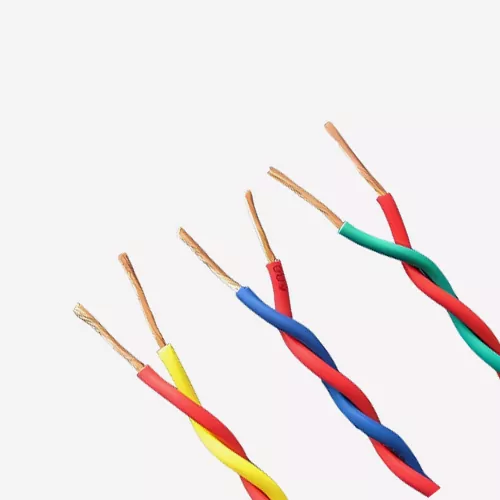
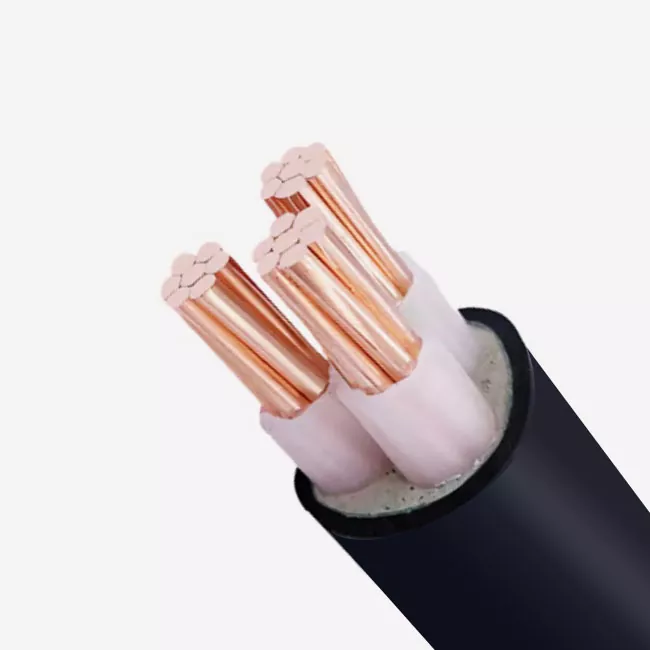
The key difference between shielded cables and control cables is that shielded cables have a metal shield to protect against electromagnetic interference and are suitable for high-interference environments. Control cables, on the other hand, are primarily used for signal transmission and control circuits and are typically unshielded (unless the model number includes a "P").
Definition and Characteristics of Shielded Cables
Shielded cables are cables whose conductors are encased in a metal braid (such as copper mesh or aluminum foil) to protect against electromagnetic interference. Their model numbers often include the letter "P" (e.g., RVVP, KVVP). Their characteristics include:
Construction: Conductor + insulation + shield + jacket. The shield must be grounded.
Parameters: Rated voltage 3.6/6kV, operating temperature 90°C, bend radius ≥ 6 times the cable diameter.
Applications: Transformers, medical equipment, industrial automation, and other environments with strong electromagnetic interference.
Definition and Characteristics of Control Cables
Control cables are cables used to transmit signals and control commands. Standard models include KVV. Their characteristics include:
Construction: Multi-core design, no shield (unless otherwise specified, such as KVVP).
Parameters: Rated voltage 450/750V, operating temperature 70°C-95°C, installation temperature ≥0°C.
Applications: Indoor fixed installation, instrument power supply, and other low-interference scenarios.
Core Difference Comparison
Function: Shielded cables are designed for interference resistance, while control cables focus on signal transmission.
Substitutability: Shielded cables can replace control cables, but the reverse is not true.
We use cookies to offer you a better browsing experience, analyze site traffic and personalize content. By using this site, you agree to our use of cookies. Privacy Policy