
NHVV Cable
When it comes to reliable power transmission in demanding industrial, commercial, and residential applications, the quality of your cable is non-negotiable. NHVV cable stands as a premier example of a versatile, flame-retardant, and durable solution designed for safe and efficient fixed installations. This guide delves into the specifications, construction, and key applications of NHVV cable, providing the detailed information you need for your next project.
What is NHVV Cable?
NHVV is a designation for a specific type of insulated, sheathed, and flame-retardant cable. The "NH" typically denotes non-halogenated or low smoke zero halogen (LSZH) properties, meaning in the event of a fire, it produces minimal toxic smoke and corrosive gases. The "VV" often refers to the insulation and sheath materials, commonly PVC (Polyvinyl Chloride). NHVV cables are engineered for fixed installations indoors, in cable ducts, or conduits where flame retardancy and reduced smoke emission are critical safety considerations.
Core Construction and Materials
The robust performance of NHVV cable stems from its meticulous construction:
- Conductor: Made from high-purity, annealed copper for excellent conductivity and flexibility. Available in solid or stranded forms depending on the cross-section.
- Insulation: Each core is individually insulated with specially formulated PVC. This insulation provides high electrical resistance, protects against short circuits, and is color-coded for easy identification (e.g., brown, blue, green/yellow).
- Filling/Bedding: A non-hygroscopic filler material ensures the cable maintains a round shape, while a binding tape may hold the assembled cores together.
- Inner Sheath: An extruded layer that further bundles and protects the insulated cores.
- Outer Sheath: The final protective jacket is made from flame-retardant, low-smoke PVC (LSZH). This sheath provides mechanical protection, resistance to abrasion, moisture, oils, and chemicals, and is crucial for the cable's fire safety performance.
Detailed Technical Parameters
The following table outlines the standard technical specifications for a range of NHVV cables. Always verify exact specifications with the manufacturer's datasheet for your specific application.
| Number of Cores & Cross-Sectional Area | Conductor Diameter (Approx.) | Overall Cable Diameter (Approx.) | Max. DC Resistance at 20°C (Ω/km) | Current Rating (A) - In Conduit | Voltage Rating |
|---|---|---|---|---|---|
| 2 x 1.5 mm² | 1.38 mm | 7.2 mm | 12.1 | 17.5 | 300/500V |
| 3 x 2.5 mm² | 1.78 mm | 9.6 mm | 7.41 | 24 | 300/500V |
| 4 x 4.0 mm² | 2.25 mm | 11.5 mm | 4.61 | 32 | 300/500V |
| 5 x 6.0 mm² | 2.76 mm | 14.5 mm | 3.08 | 41 | 300/500V |
| 3 x 10.0 mm² + 1 x 6.0 mm² (Earth) | 3.57 mm (10mm²) | 17.8 mm | 1.83 (10mm²) | 57 | 450/750V |
Key Features and Benefits
- Flame Retardant & Low Smoke: The LSZH sheath significantly reduces flame propagation and emits very low levels of smoke and halogen gases, enhancing safety in enclosed public spaces like offices, schools, hospitals, and transport systems.
- Excellent Electrical Properties: Stable insulation resistance and dielectric strength ensure reliable power delivery.
- Durable Mechanical Protection: Resistant to impact, crushing, abrasion, and environmental stresses for long-term performance.
- Chemical and Oil Resistance: Suitable for light industrial environments where exposure to oils or chemicals is possible.
- Compliance: Manufactured to meet stringent international and national standards (e.g., IEC, BS, VDE).
Typical Applications
NHVV cable is specified for a wide array of fixed wiring installations where safety and reliability are paramount:
- Power distribution in commercial buildings (offices, shopping malls).
- Lighting and socket circuits in public institutions (hospitals, schools, universities).
- Control wiring for machinery and panels in industrial settings.
- Installation in cable trunking, conduits, or on cable trays within buildings.
- Essential systems in mass transit stations, airports, and tunnels.
Selecting the correct cable type and size is critical for any electrical installation. Consulting with a qualified electrician or engineer is always recommended to ensure compliance with local regulations and the specific demands of your project.
Related Products
Hot Products
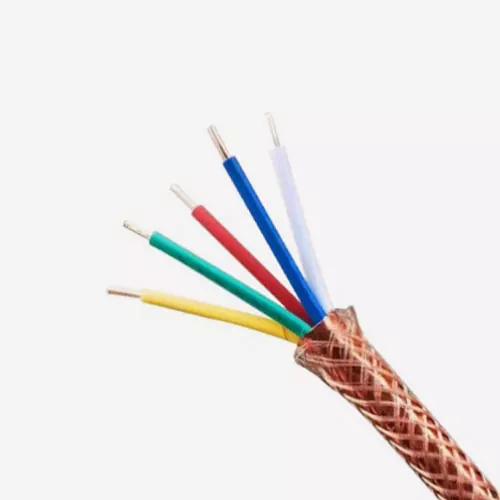
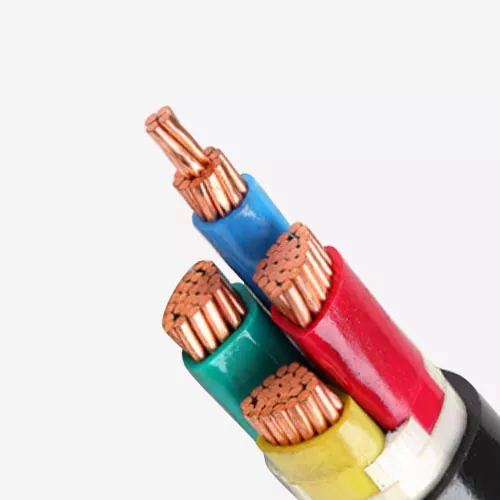
Copper Conductor PVC Insulated Sheathed Shielded Flexible Cable
If you're looking for a cost-effective, jam-resistant signal cable, then Yilan Cable, China's leading cable manufacturer, offers this high-quality Copper Conductor PVC Insulated Sheathed Shielded Flexible Cable (RVVP Cable). It is designed to combat complex electromagnetic environment, set outstanding shielding performance, high flexibility and durability in one, is to ensure that communications, automation and instrument signal purity and stability of the support.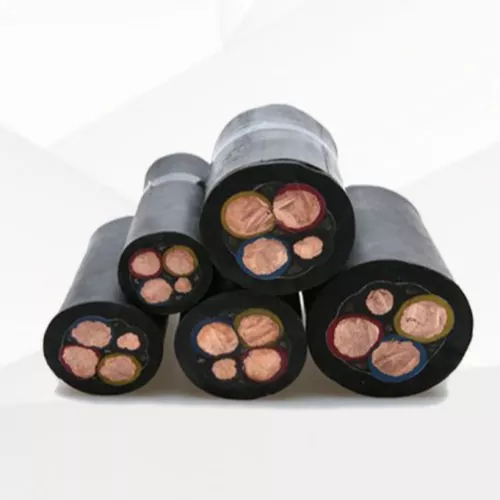
Heavy Duty Rubber Sheathed Flexible Cable
As a leading China Manufacturer, Supplier and Factory, Yilan Cable would like to provide you high-quality Heavy Duty Rubber Sheathed Flexible Cable (YC/YCW), whose core selling point is super toughness and fearless movement. We use top-grade fine stranded oxygen-free copper wire conductor and special neoprene sheath, which gives the cable high tensile, crush resistance, tear resistance, and excellent weather resistance, oil resistance (especially YCW model). This means that whether it's on a dusty construction site, an oily workshop, or outdoors in the sun and rain, it ensures constant power transmission, significantly reducing the risk of downtime and safety incidents due to cable damage, and directly reducing your long-term operating costs.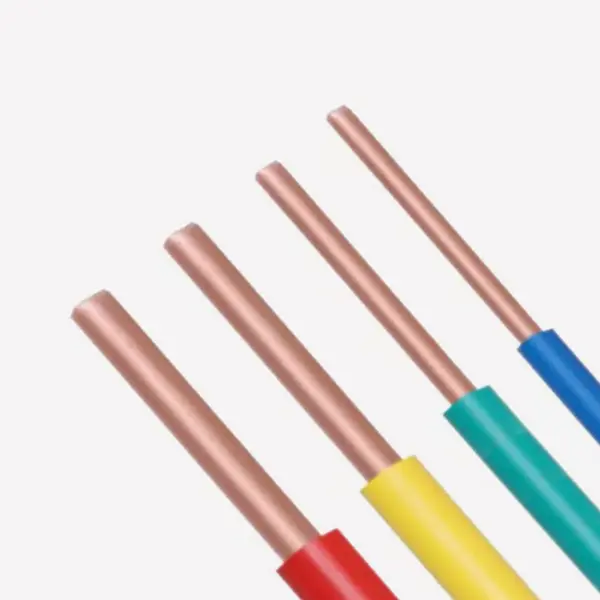
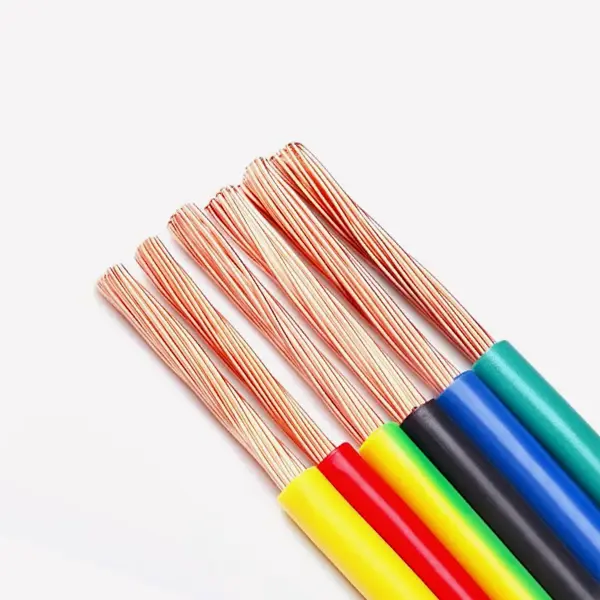
Copper PVC Insulated Cable
As a professional cable manufacturer in China, Yilan Cable would like to provide you high quality Copper PVC Insulated Cable, which uses high purity copper conductors and high quality PVC insulation to provide outstanding conductivity, insulation and mechanical strength, providing safe, durable and cost-effective support for all types of fixed installation projects.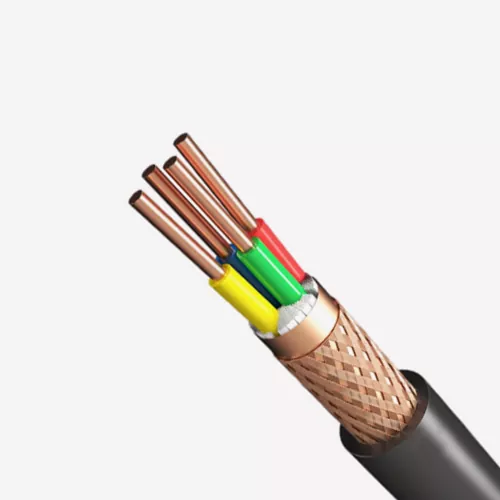
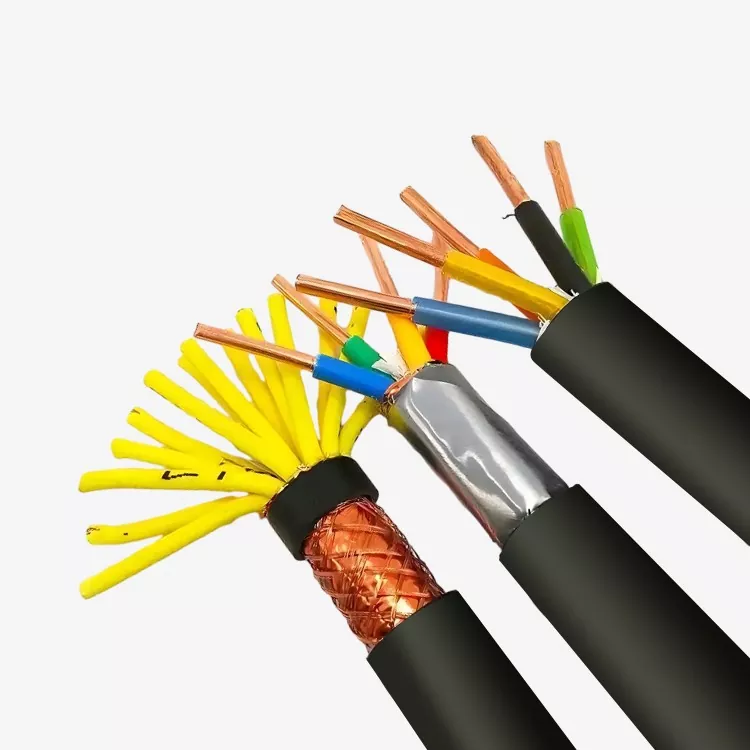
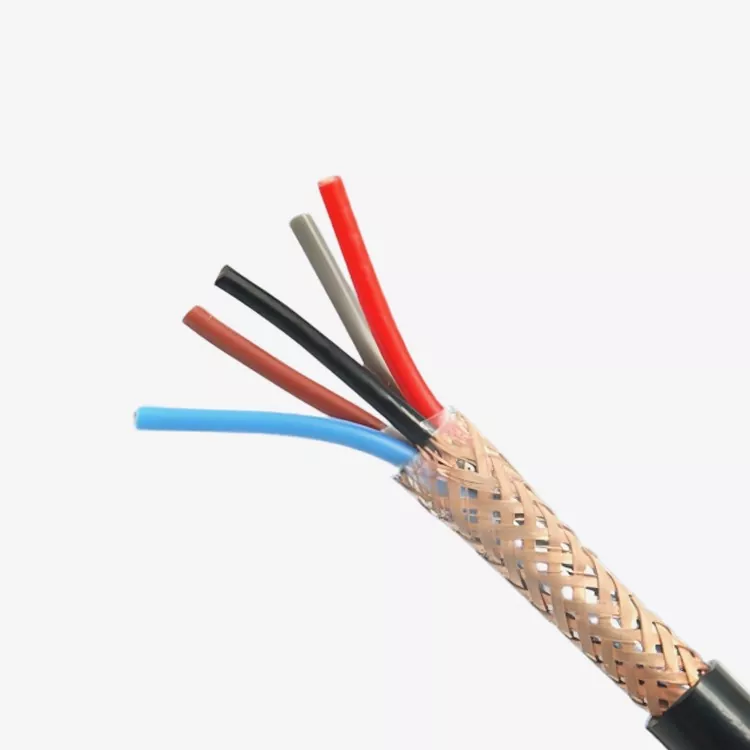
Copper Shielded PVC Insulated Sheathed Control Cable
Choose a true anti-interference product for your PLC, sensors and precision instruments. High quality Copper Shielded PVC Insulated Sheathed Control Cable manufactured by Yilan Cable factory is specially designed for complex electromagnetic environment. It not only provides excellent shielding efficiency, but also ensures durability under long-term harsh working conditions with excellent flexibility and oil resistance and wear resistance sheath.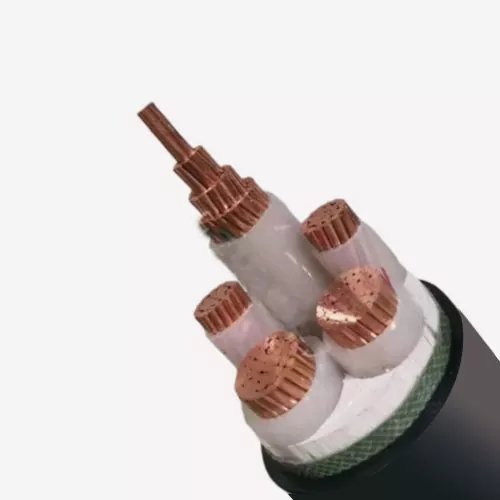
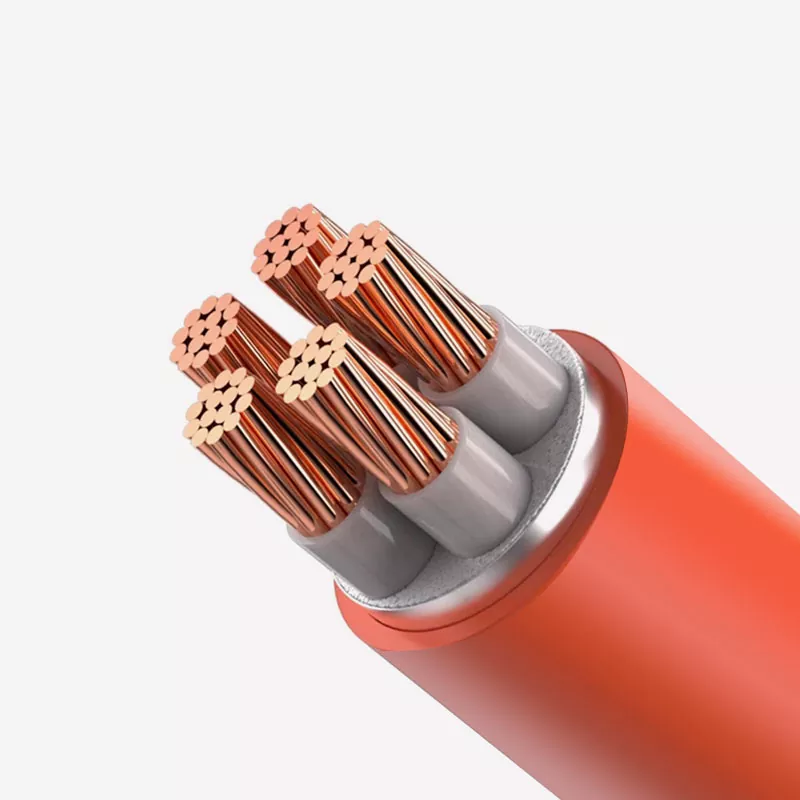
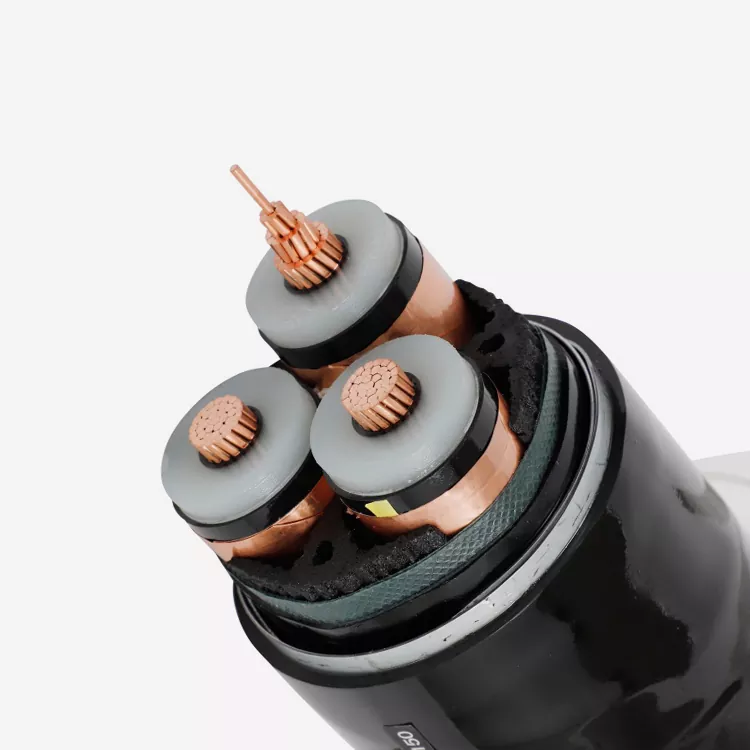
Fire Resistant XLPE Insulated PVC Sheathed Power Cable
As a professional manufacturer in China, Yilan Cable provides you with high-quality Fire Resistant XLPE Insulated PVC Sheathed Power Cable, Model NHYJV. The core of our cable lies in its unique mica tape refractory layer, which can continuously supply power for at least 90 minutes in flames above 750℃, winning valuable rescue and evacuation time for critical loads such as fire pumps, emergency lighting, alarm systems, etc., which is the cornerstone of fire safety in modern buildings.
XLPE Insulated PVC Sheathed Flexible Control Cable
Yilan Cable Factory's high-quality XLPE Insulated PVC Sheathed Flexible Control Cable, Model KYJVRP2, combines the three core advantages of high flexibility, shielding performance and 90°C temperature resistance. It is specially designed for the demanding industrial environment with electromagnetic interference and frequent bending or moving connection, which can ensure that your control signals are still transmitted stably and accurately under complex working conditions.
- Related Blog
- Reviews


